Home Blog Page 2

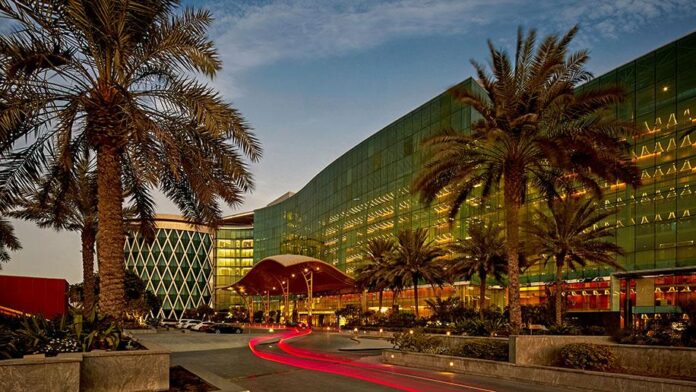
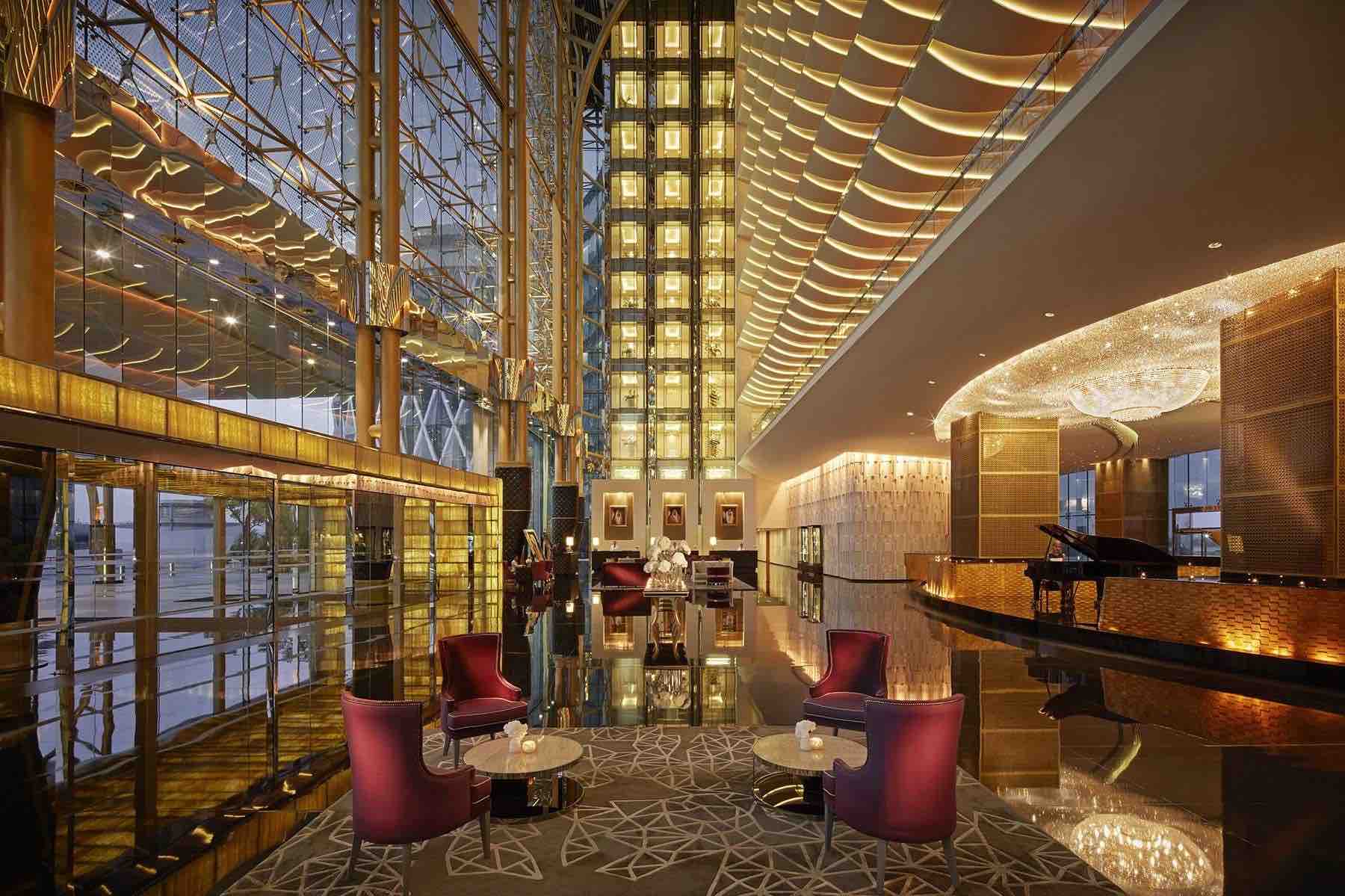
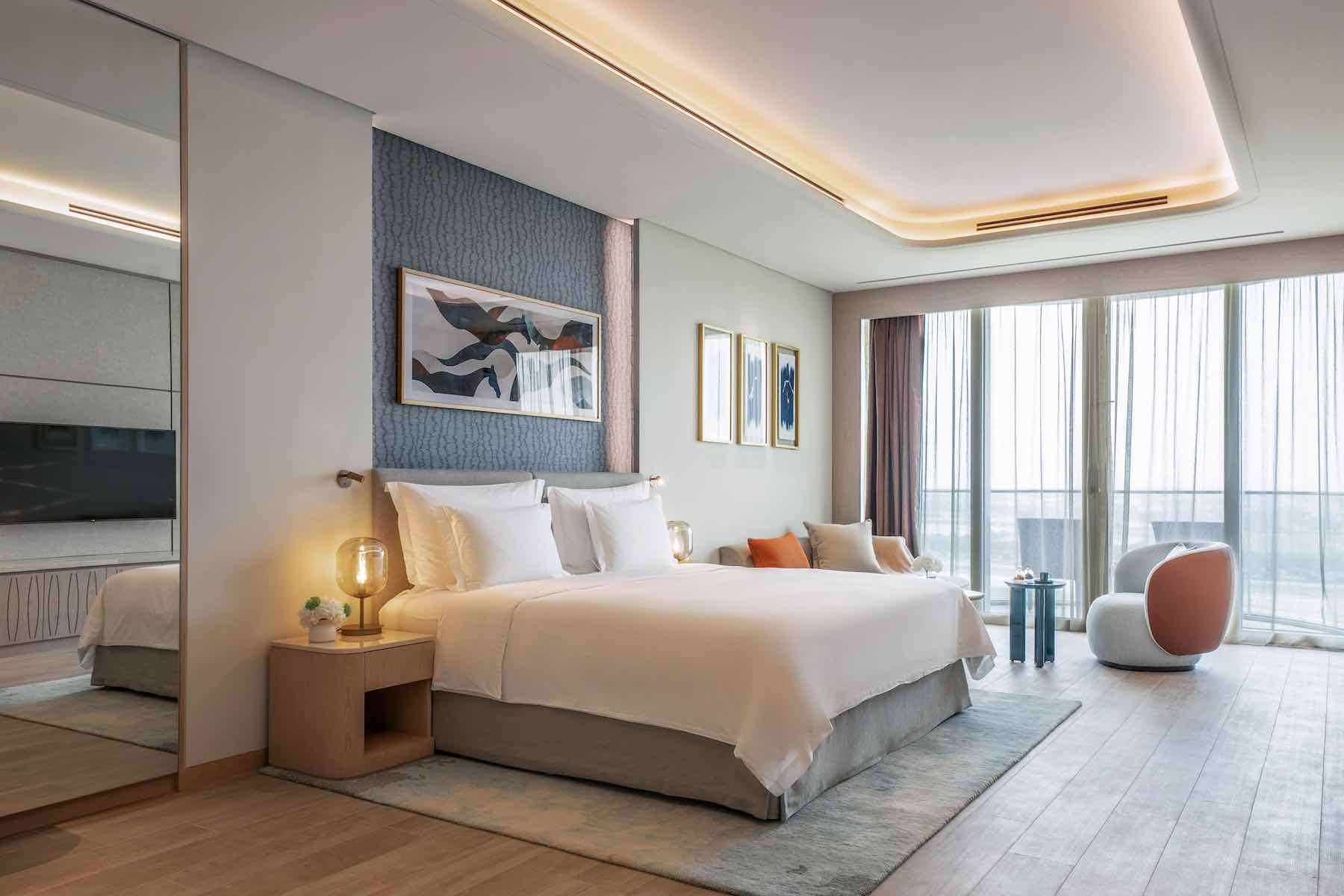
MEYDAN HOTEL REIMAGINED: KHANSAHEB DELIVERS A FAST-TRACK TRANSFORMATION

0

Location: Dubai, UAE
Fit-Out: Khansaheb Interiors
Status: Completed ahead of the 2026 racing season

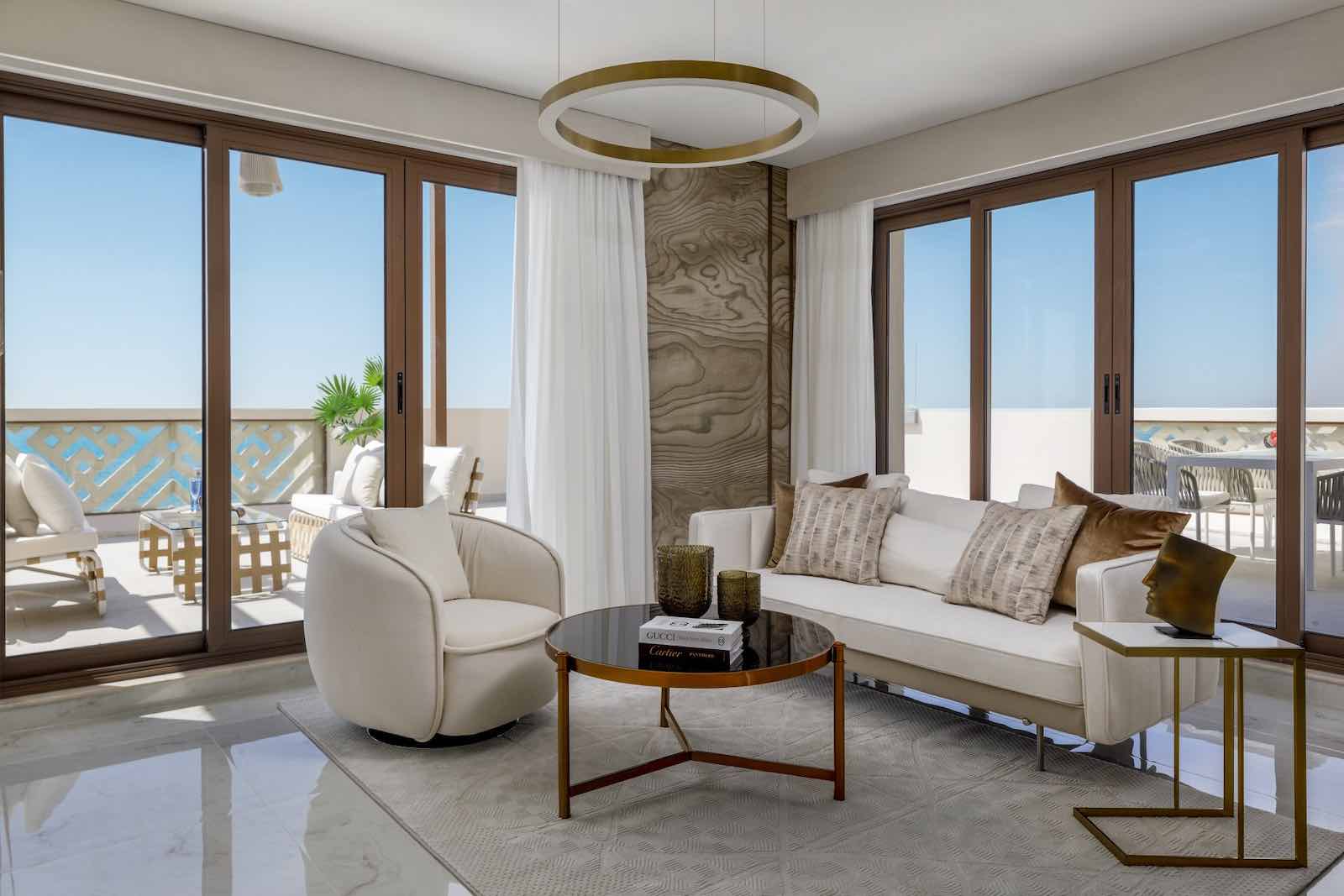
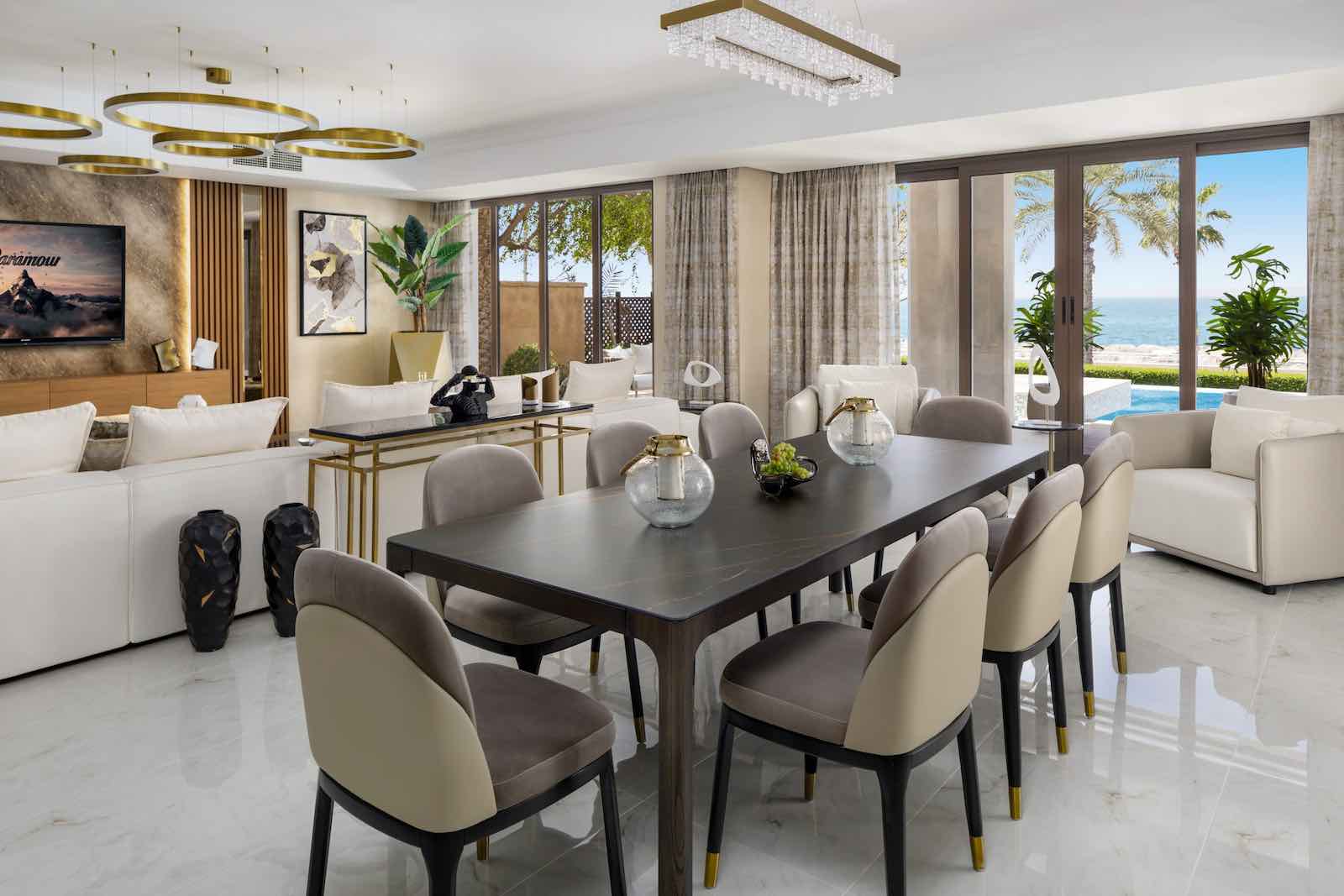
The refurbishment of The Meydan Hotel demonstrates the complexity of transforming a major operating hospitality destination within an exceptionally demanding programme.
Khansaheb’s Interiors, MEP and Joinery divisions delivered the fast-track refurbishment ahead of the 2026 racing season. The project involved extensive coordination across multiple disciplines, demonstrating how interior design, technical execution and project management intersect within large-scale hospitality refurbishment.
Rather than focusing solely on the finished aesthetic, the project provides an interesting case study in the delivery of contemporary hospitality interiors under time and operational constraints.

Project details

Project: The Meydan Hotel refurbishment
Location: Dubai, UAE
Fit-Out: Khansaheb Interiors
Scope: Guest rooms, suites, public areas, F&B and associated works
Programme: Fast-track refurbishment
Completion: 2026

SIX SENSES THE PALM: A NEW WELLNESS-LED DESIGN DESTINATION IN DUBAI

0
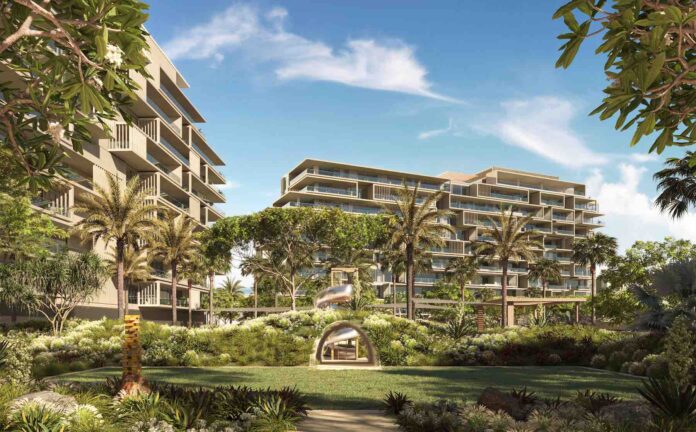
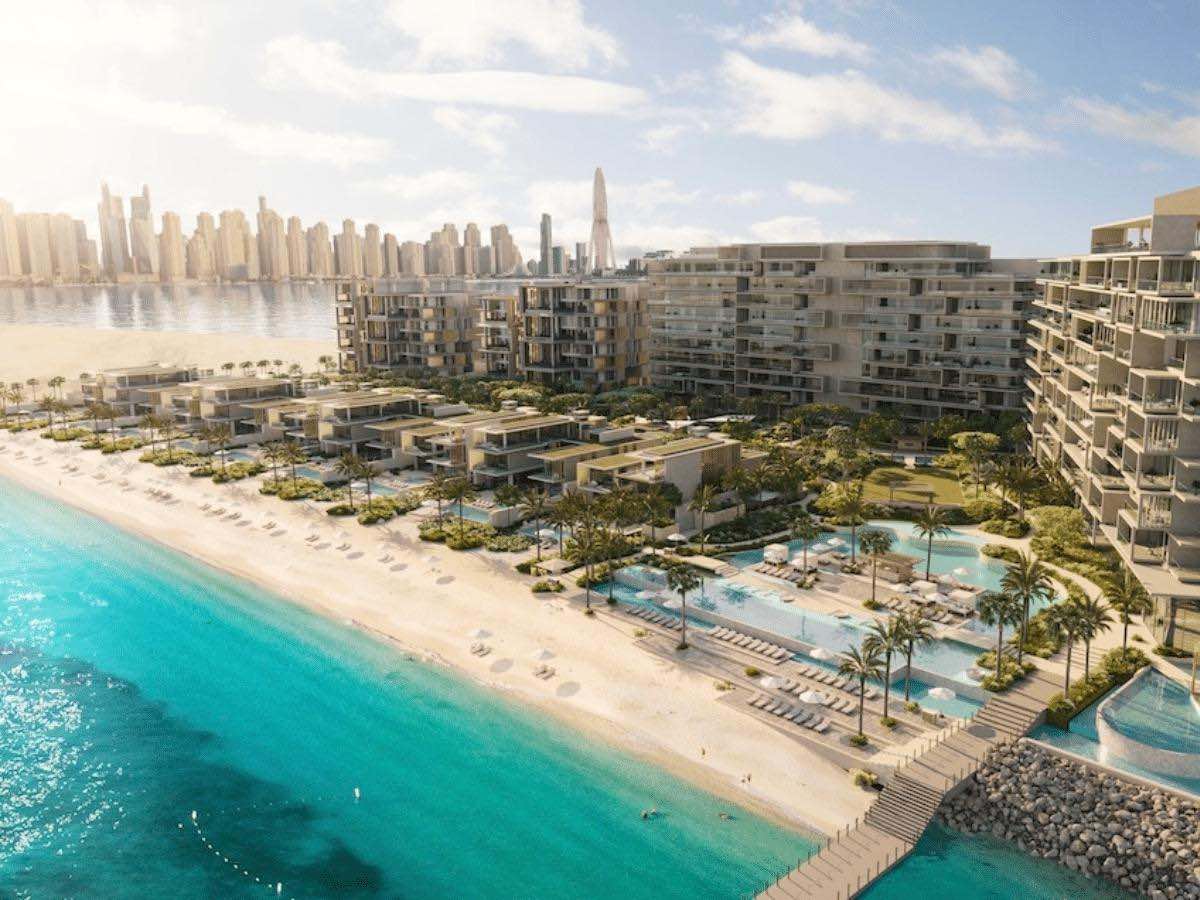
Six Senses The Palm, Dubai — a contemporary wellness destination shaped by architecture, nature and holistic design

Location: Palm Jumeirah, Dubai
Architecture & Interiors: SAOTA
Brand: Six Senses
Status: 2026 opening

Six Senses The Palm, Dubai — a contemporary wellness destination shaped by architecture, nature and holistic design

Six Senses The Palm, Dubai marks the brand’s arrival in the UAE, introducing a LEED-certified hospitality destination on Palm Jumeirah’s West Crescent.

Six Senses The Palm, Dubai — a contemporary wellness destination shaped by architecture, nature and holistic design

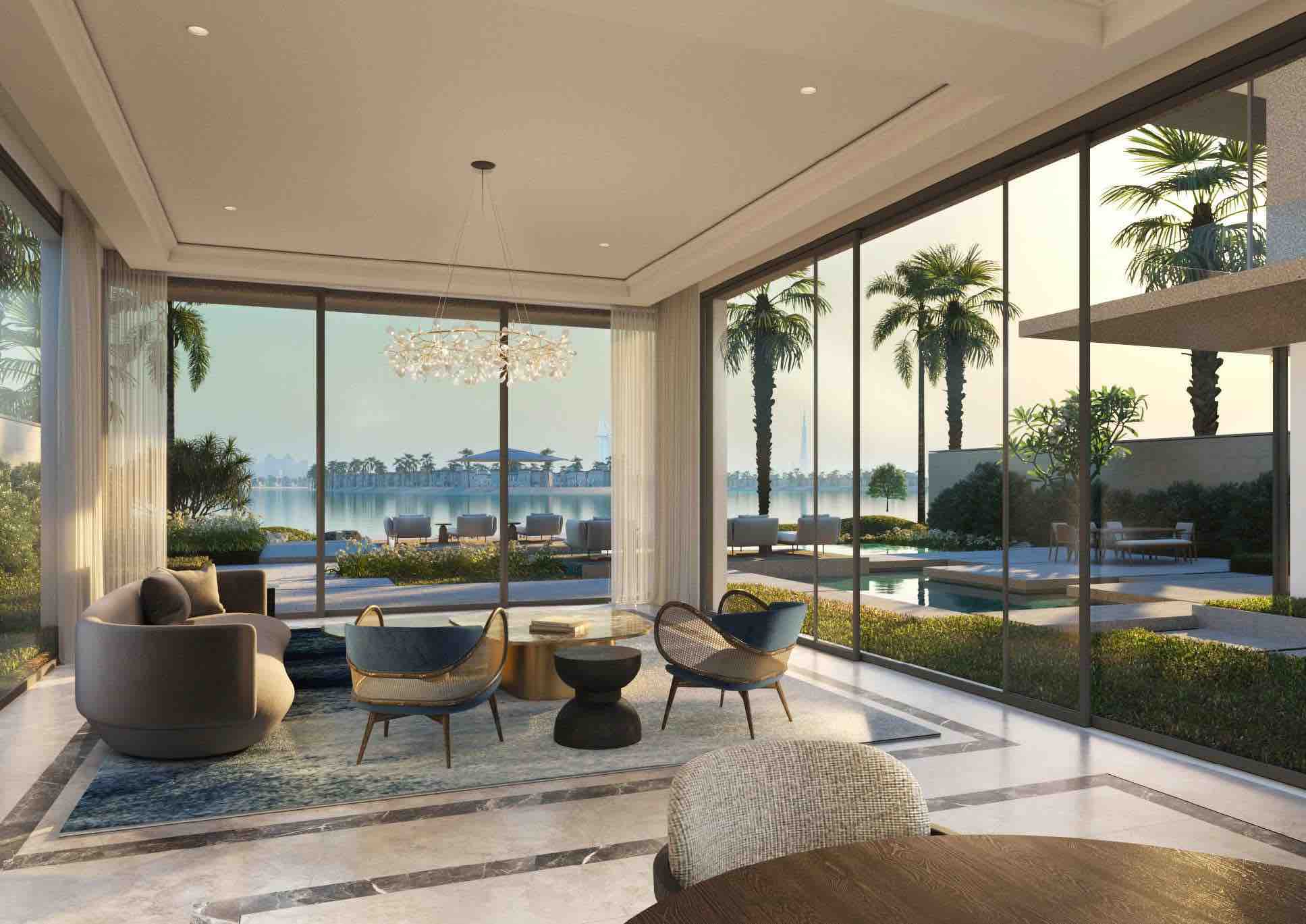
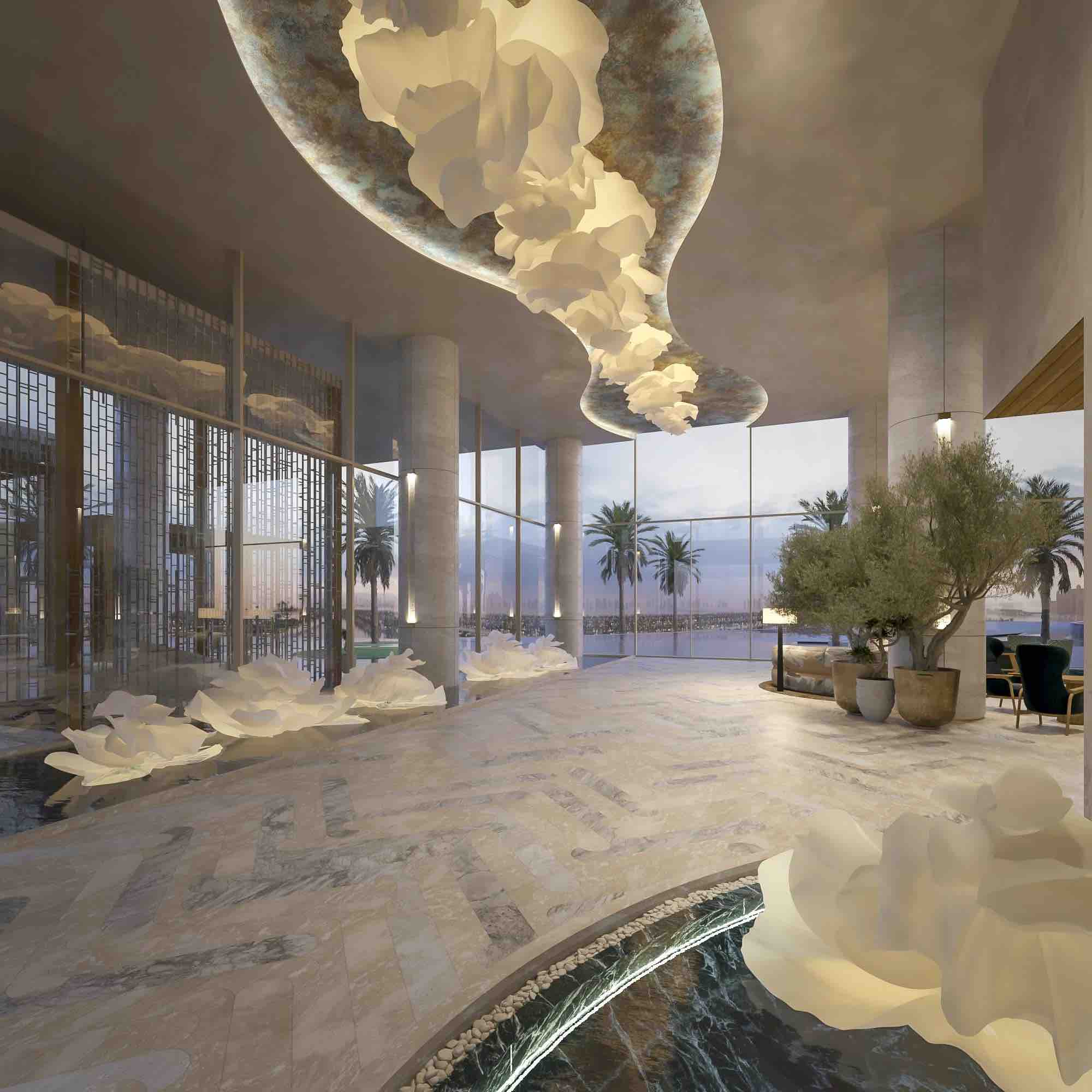
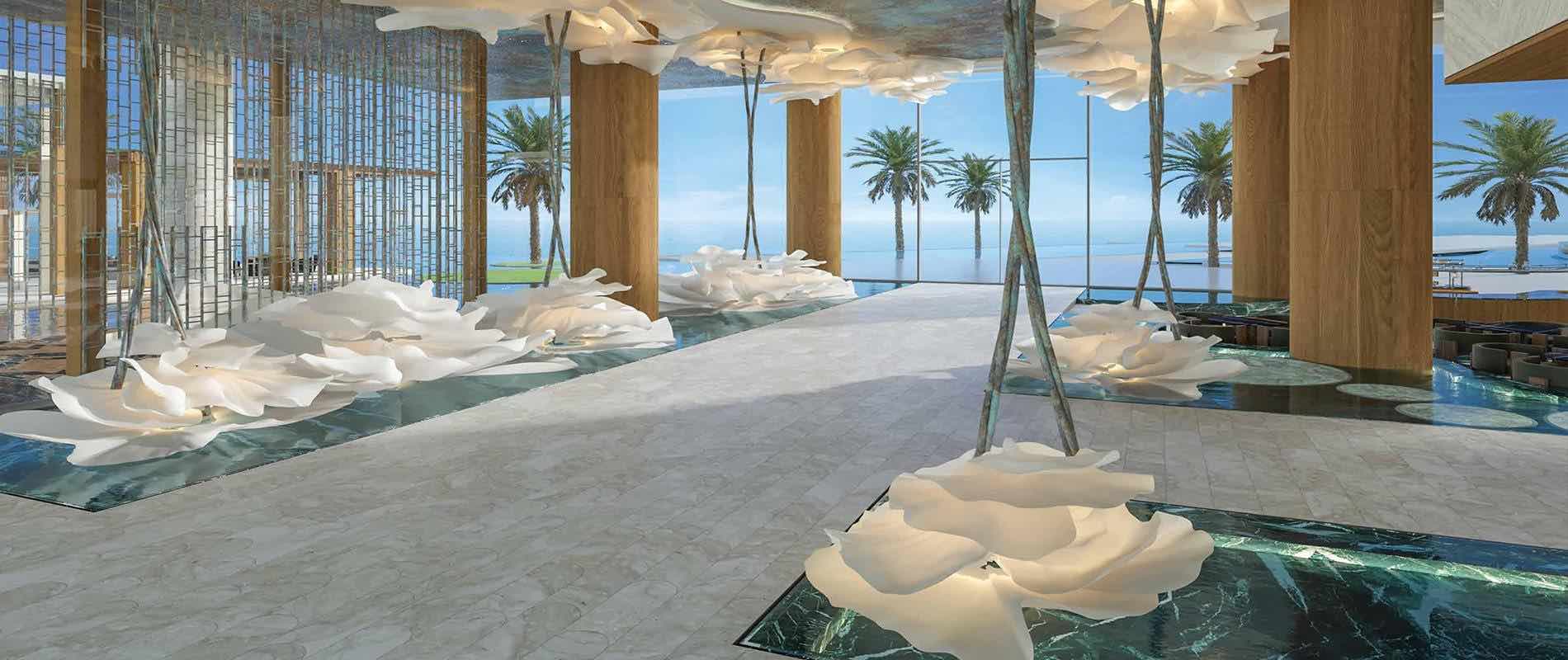
Architecture and interiors by Cape Town-based SAOTA draw on regional building traditions while interpreting them through a contemporary and sustainable design language. Natural stone and timber, sand-toned finishes and subtle local references establish a calm material palette, while floor-to-ceiling windows and private terraces strengthen the connection between interior spaces and the surrounding landscape.

Six Senses The Palm, Dubai — a contemporary wellness destination shaped by architecture, nature and holistic design

The development includes a 61-room hotel and 162 branded residences, positioning wellness, sustainability and connection to nature at the centre of the project.

Six Senses The Palm, Dubai — a contemporary wellness destination shaped by architecture, nature and holistic design

Project: Six Senses The Palm, Dubai
Location: Palm Jumeirah, Dubai
Architecture & Interiors: SAOTA
Hotel: 61 rooms
Branded residences: 162
Certification: LEED
Year: 2026

FALWA: 4SPACE REINTERPRETS ARABIAN EQUESTRIAN HERITAGE IN ABU DHABI

0

Location: Abu Dhabi, UAE
Designer: 4SPACE
Project area: 450 sqm
Status: Newly revealed project, 2026

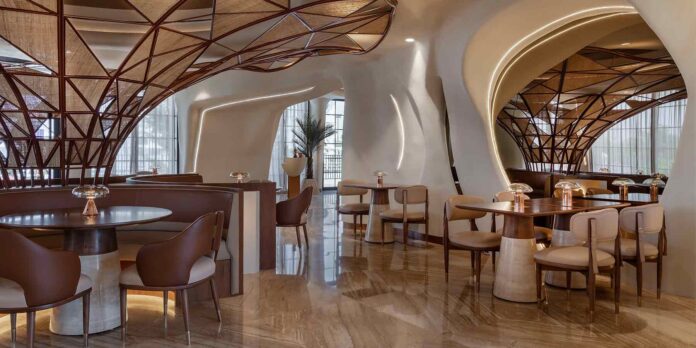
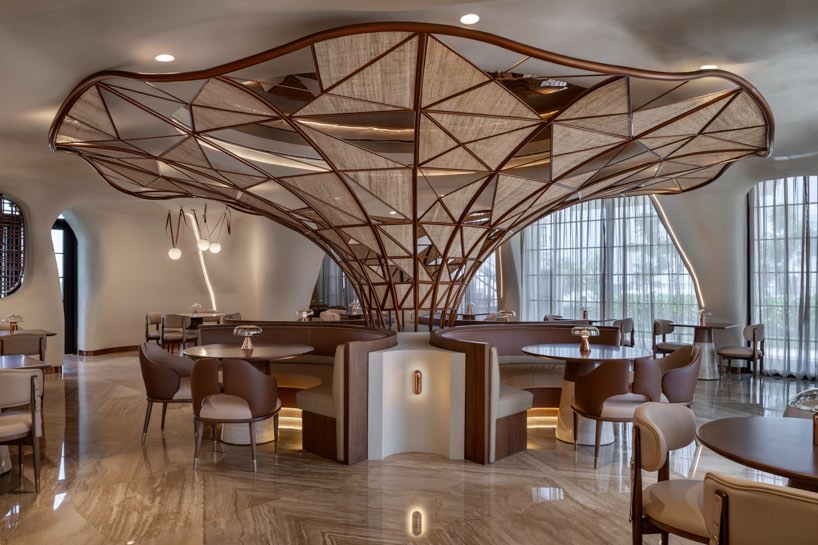
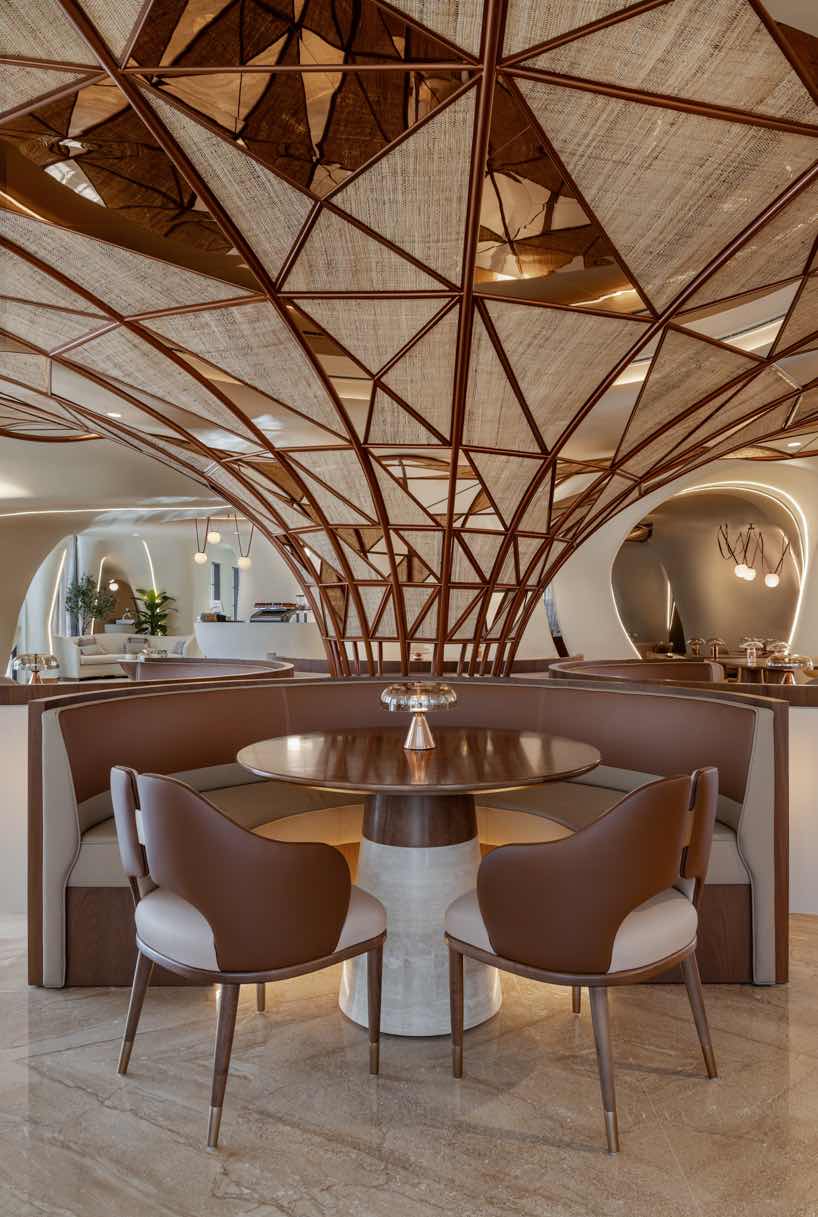
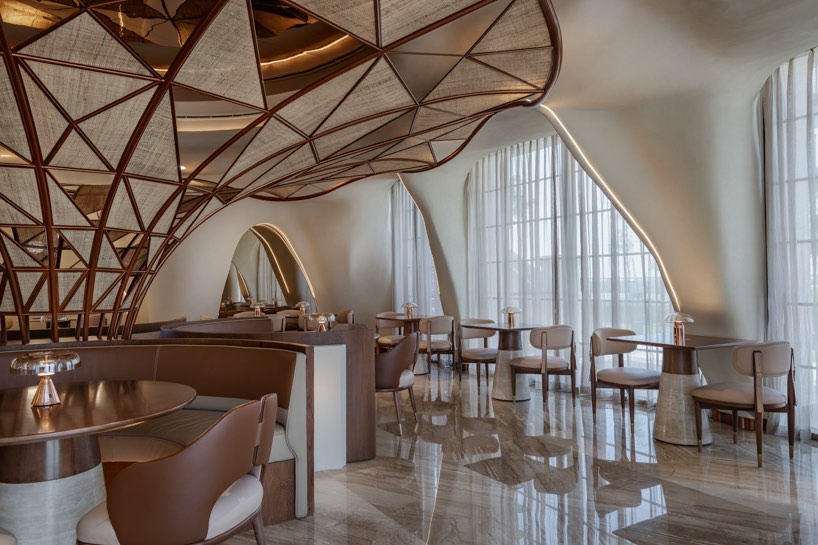
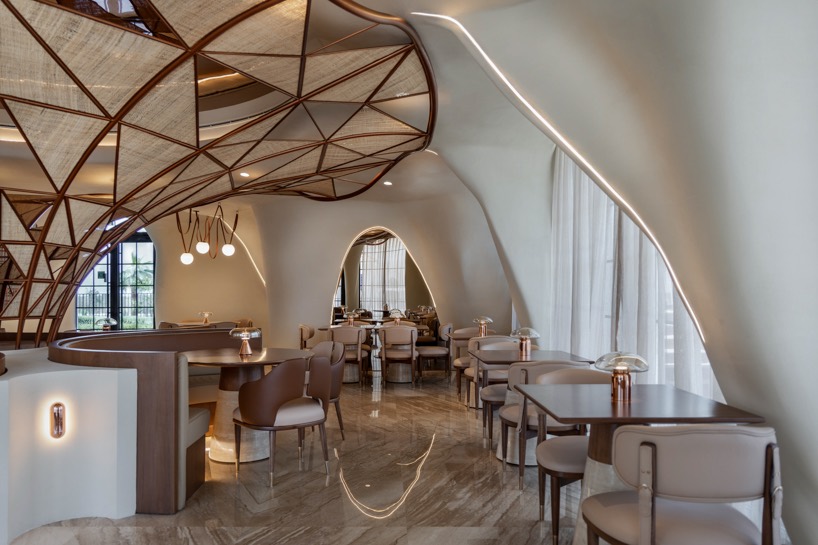
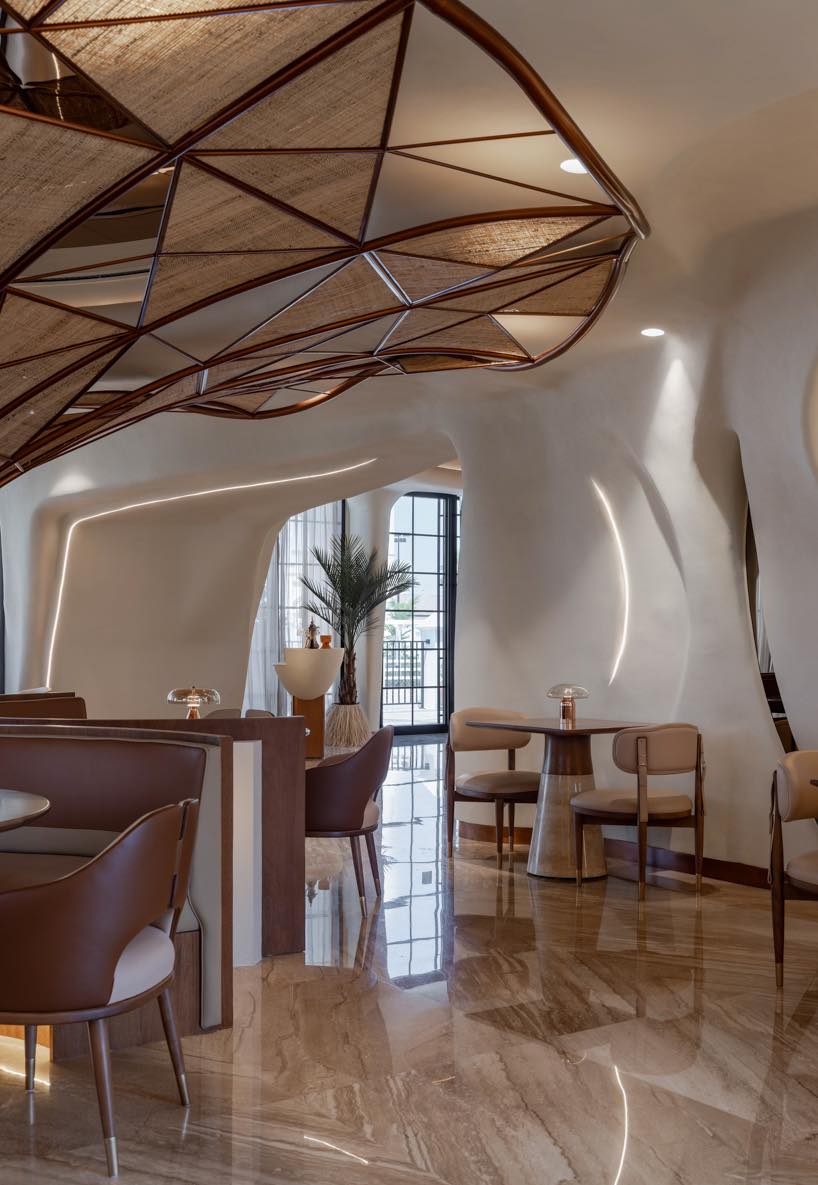
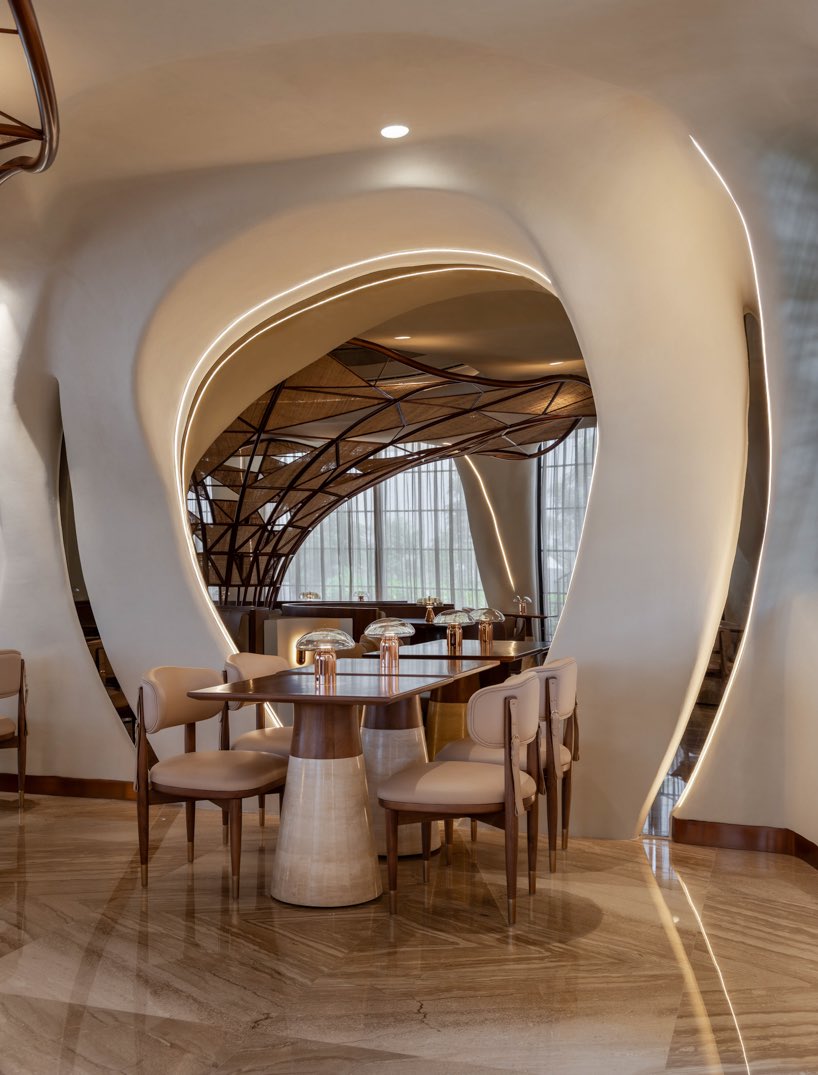
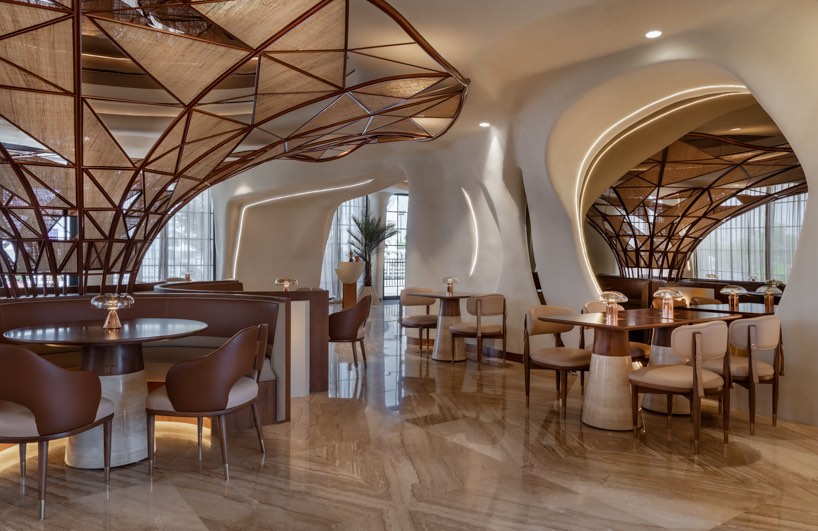
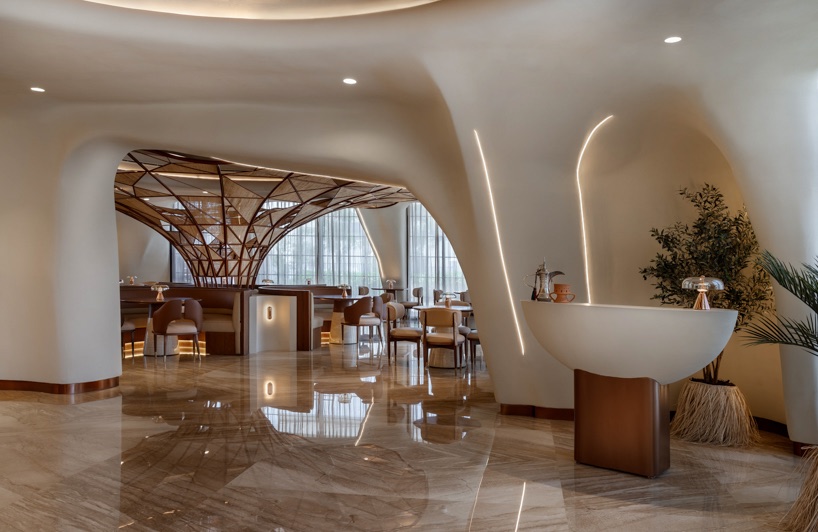
Dubai-based design studio 4SPACE has unveiled Falwa, a new dining destination in Abu Dhabi created for Emirati chef Faisal Alharmoodi. Spanning approximately 450 square metres, the project translates Arabian equestrian heritage into a contemporary hospitality environment.

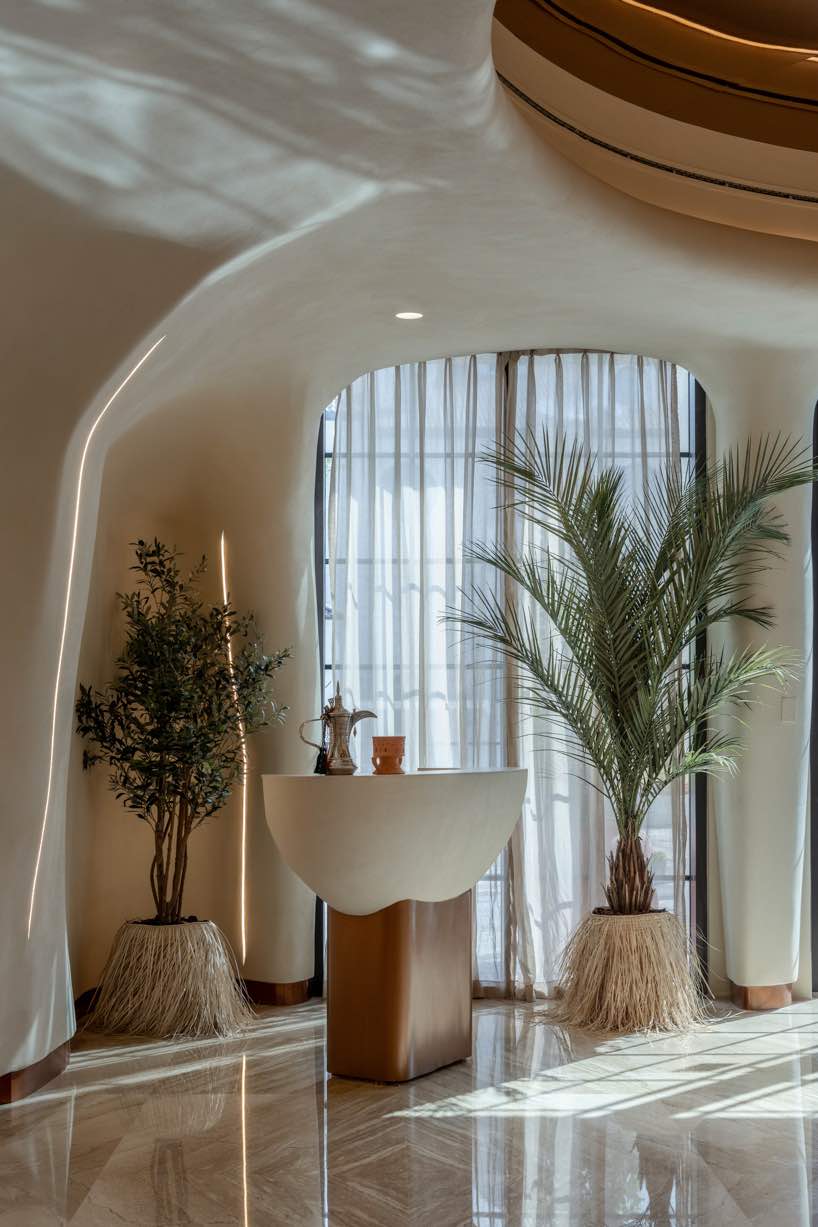
Rather than relying on literal historical references, the design interprets the movement, geometry and character associated with equestrian culture through architecture, interiors, materiality and sculptural forms. The result is intended to create a distinctive dining environment rooted in the region while maintaining a contemporary international sensibility.

Falwa, Abu Dhabi — Arabian heritage reimagined through contemporary design by 4SPACE.

Falwa represents a growing movement in UAE hospitality design: the reinterpretation of local identity through contemporary interiors rather than direct reproduction of traditional architecture.

Project details

Project: Falwa
Location: Abu Dhabi, UAE
Design: 4SPACE
Chef: Faisal Alharmoodi
Typology: Restaurant / Hospitality
Area: Approximately 450 sqm
Design theme: Arabian equestrian heritage
Year: 2026

Beyond Mayfair: DBM Studio Reimagines Isabel in Abu Dhabi

0

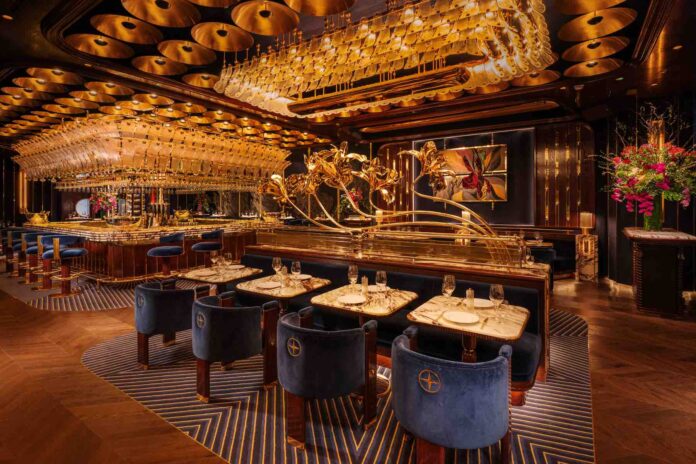
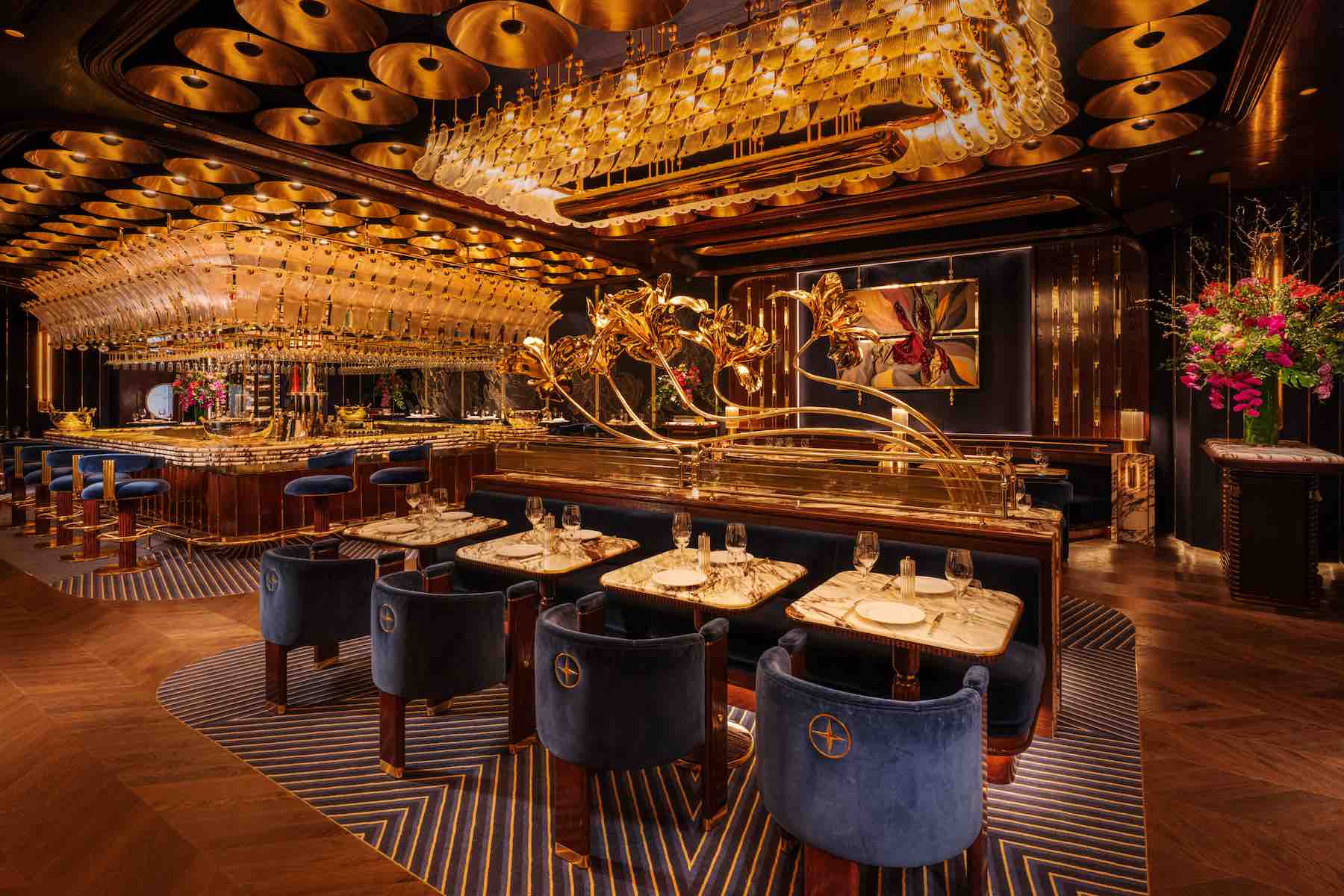
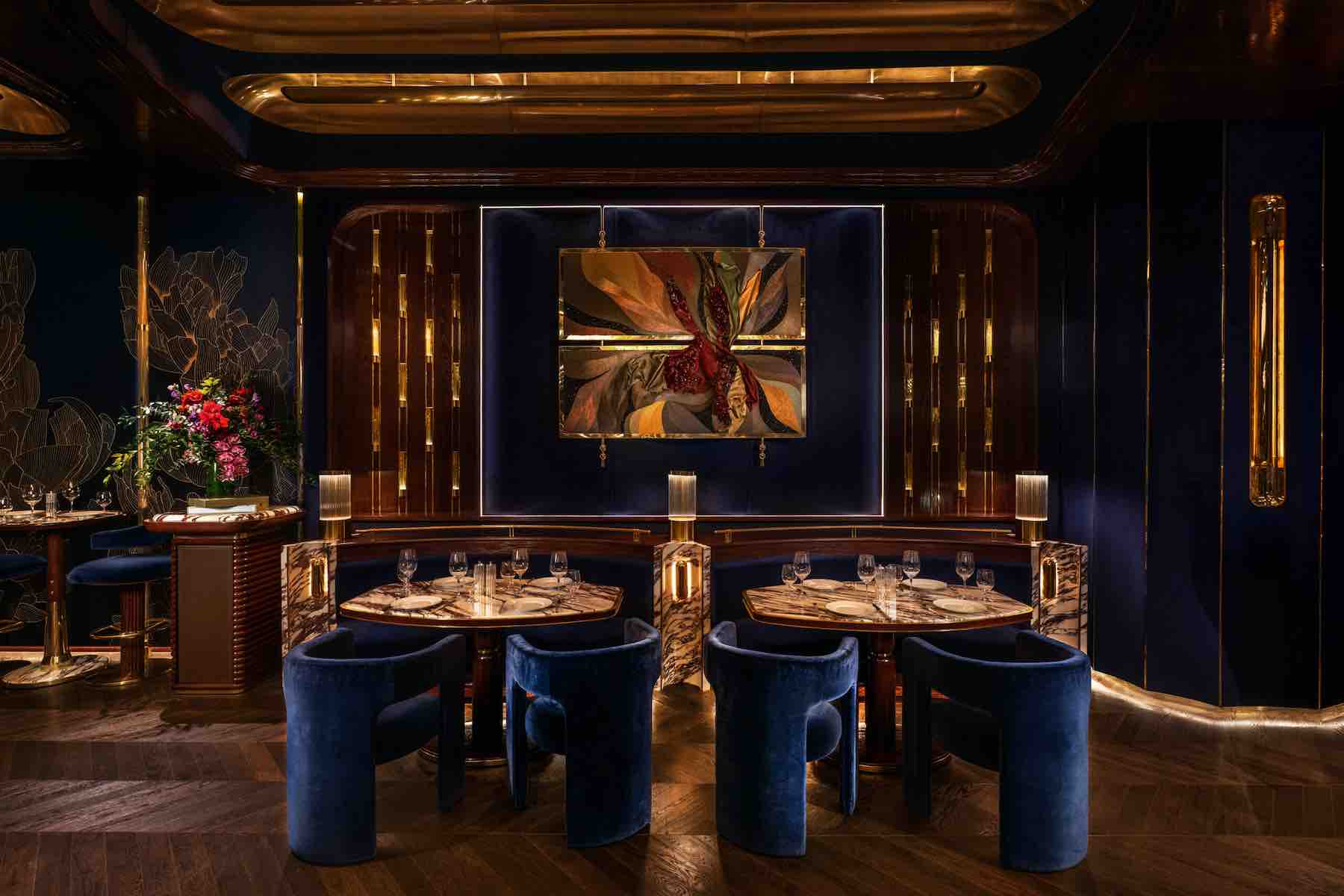
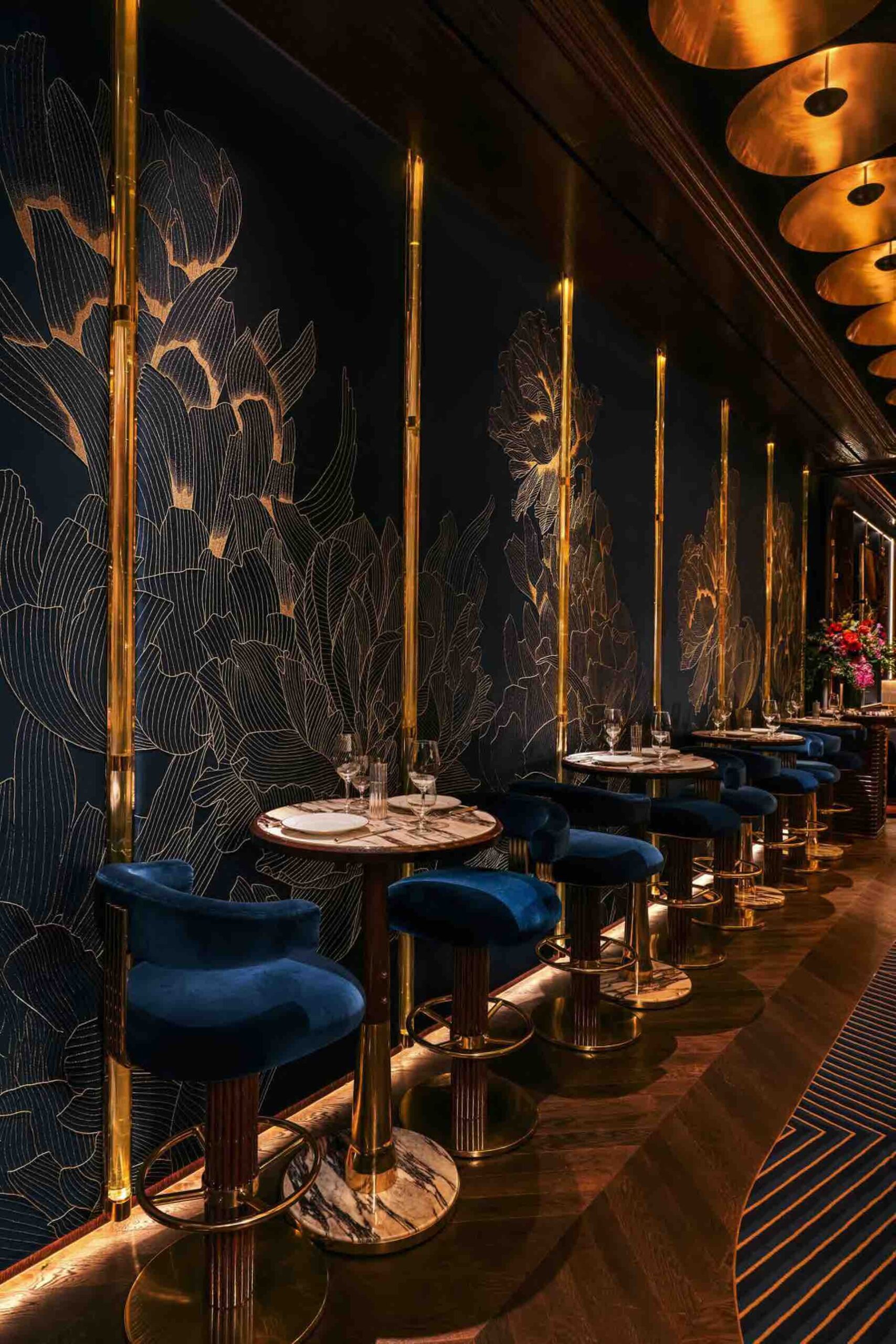
Isabel Mayfair Abu Dhabi marks a new chapter for the internationally recognised Isabel brand, bringing its distinctive sense of glamour and theatrical hospitality to the UAE. Designed by Dubai-based DBM Studio under the creative direction of Mahsa Gholizadeh, the project takes a deliberately interpretive approach, translating the character of the original Mayfair destination into a new Abu Dhabi context rather than simply replicating it.
Located within The Galleria on Al Maryah Island, the interior is conceived as an immersive hospitality experience where architecture, art, materiality and atmosphere work together. A carefully choreographed sequence leads guests through contrasting spaces, creating moments of intimacy, drama and discovery.

The design is defined by rich and tactile materials including Calacatta Viola marble, polished brass, dark oak and luxurious velvet. Bespoke craftsmanship is central to the concept, with hand-embroidered silk wall panels, three-dimensional embroidered artworks, hand-painted wallpapers and sculptural floral installations developed specifically for the project.

At the heart of the restaurant, a dramatic sculptural bar and brass-and-glass ceiling installation create a strong visual focal point. Lighting further shapes the experience, allowing the character of the interiors to evolve from day into evening.

Rather than treating identity as a fixed visual language, DBM Studio approaches it as something that can be translated through place, material and experience. The result is an interior that retains the sophistication associated with Isabel while establishing its own identity within Abu Dhabi’s contemporary hospitality landscape.

Mahsa Gholizadeh is the Founder and Creative Director of DBM STUDIO (Design by Mahsa), a Dubai-based interior design consultancy established in 2018. The studio works across interior design, F&B design consultancy, FF&E, furniture design, project coordination and related design services.

Gholizadeh’s approach combines strong visual storytelling with functionality and client-focused design. Through DBM Studio, she has developed a portfolio of hospitality and commercial interiors that place emphasis on atmosphere, materiality, craftsmanship and memorable guest experiences.

For Isabel Mayfair Abu Dhabi, her approach was centred on reinterpretation: taking the established character of the London brand and creating a new spatial expression appropriate to its UAE setting. The studio describes the result as a complete world in which every detail contributes to identity and emotional connection.

Project Details

Project: Isabel Mayfair Abu Dhabi
Category: Hospitality Interior Design / Restaurant
Location: The Galleria, Al Maryah Island, Abu Dhabi, UAE
Interior Designer: Mahsa Gholizadeh
Design Studio: DBM STUDIO (Design by Mahsa)
Hotel Group / Developer: BNF Hospitality
Completion / Opening: 2026
Awards: Shortlisted — Restaurant – Global, The International Hotel & Property Awards 2026

House with Seven Gardens: Reimagining the Courtyard

0

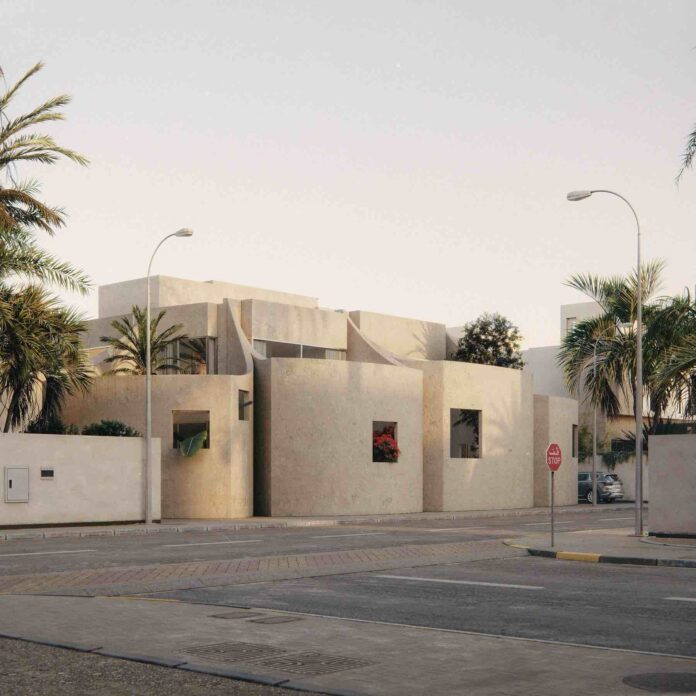
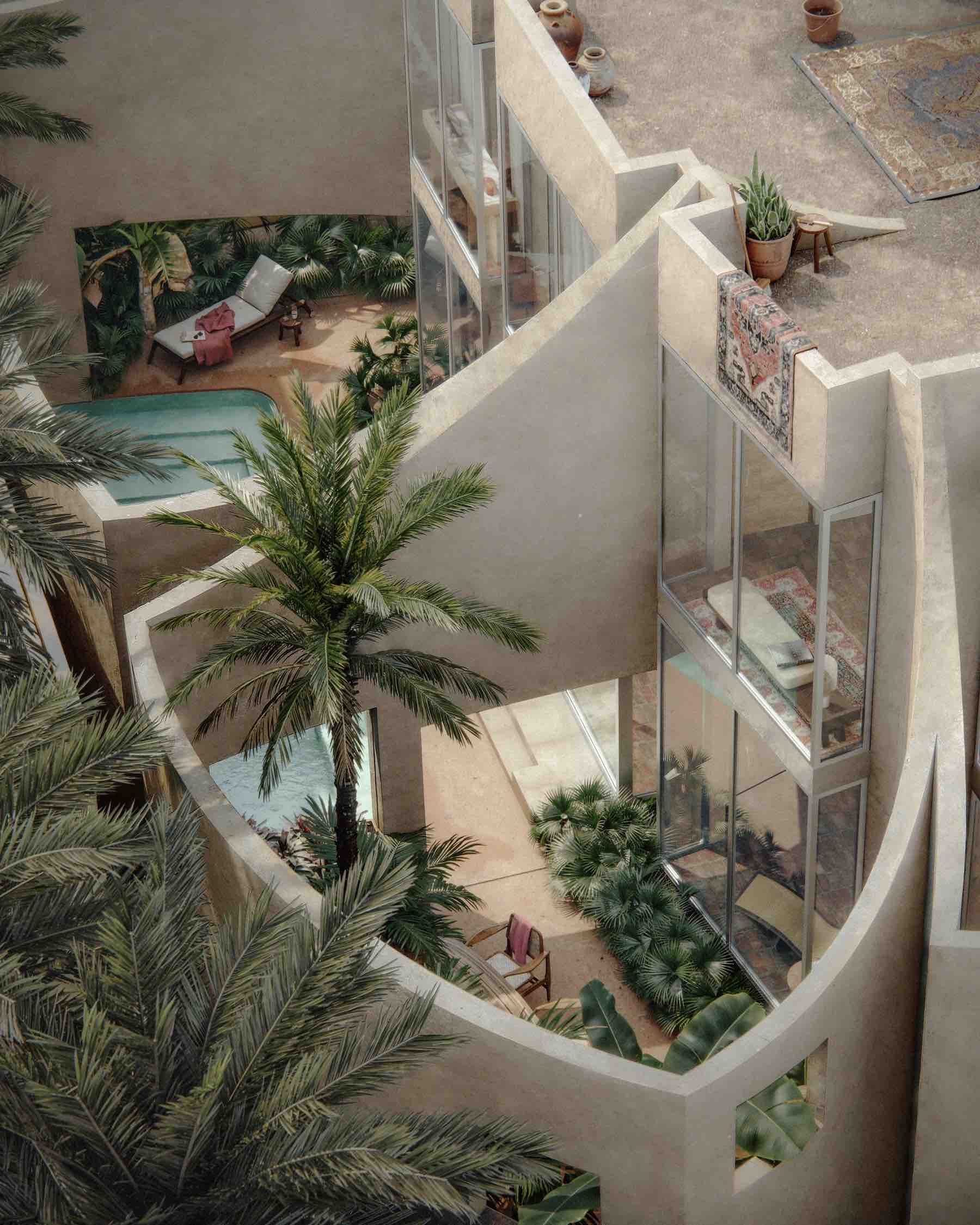
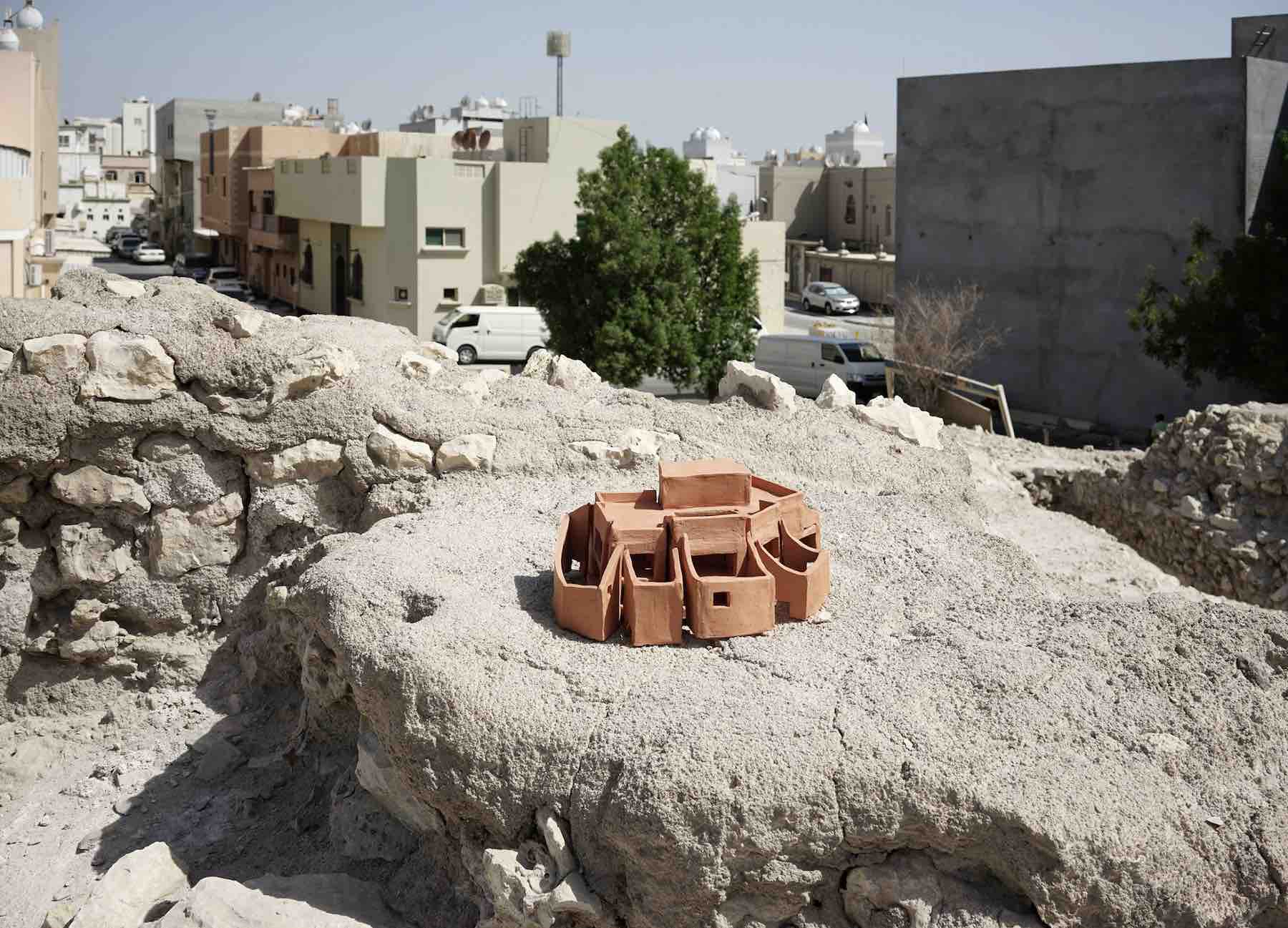
In Diyar Al Muharraq, Bahrain, Civil Architecture revisits one of the defining ideas of Gulf domestic architecture: the courtyard. Rather than reproducing the traditional courtyard house, the practice asks how its inward-looking character can be reinterpreted within the conditions of the contemporary suburban villa.

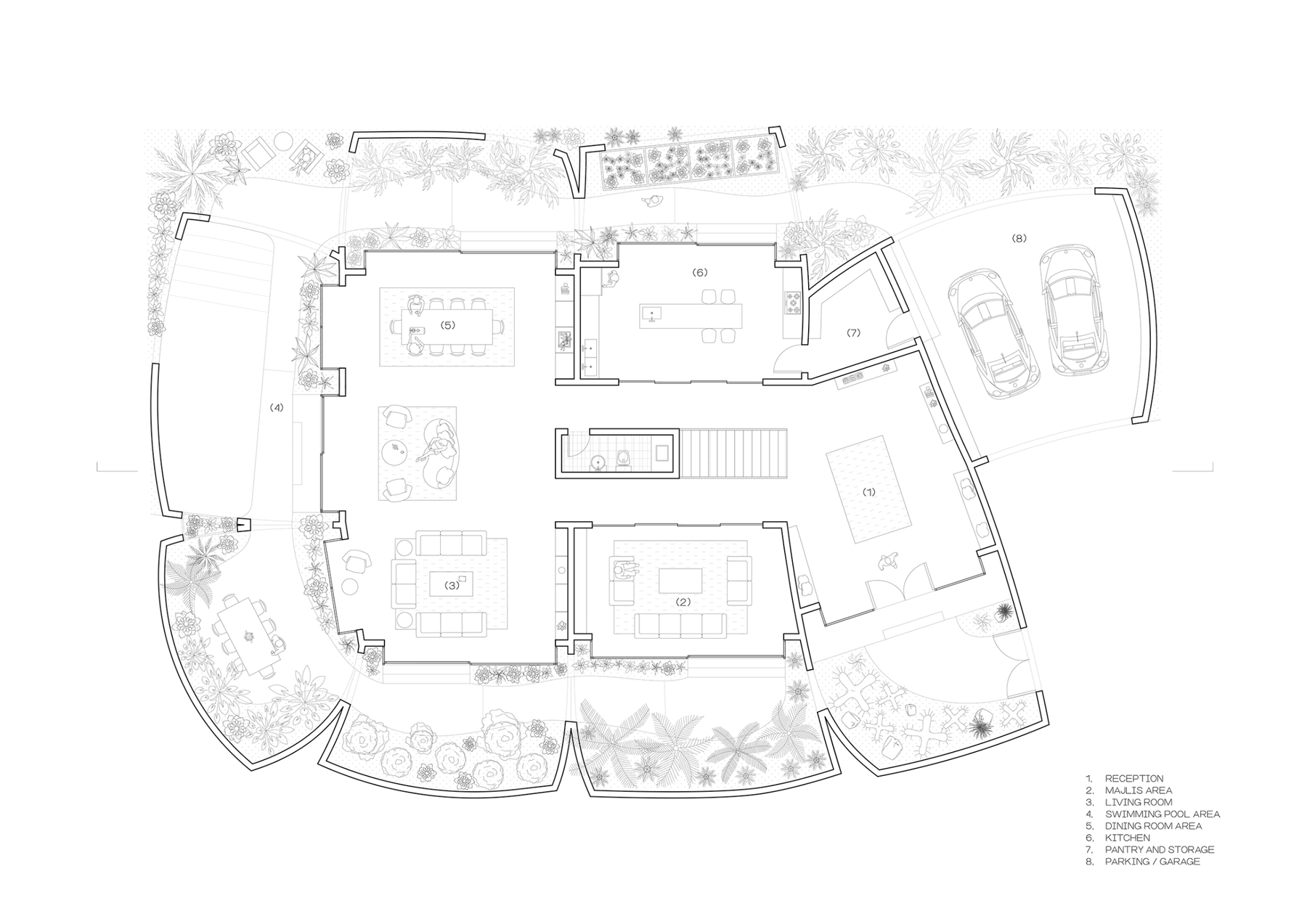
The starting point is the setback. Modern building regulations have placed detached houses within individual plots, creating strips of land between the building and its boundaries. Often treated simply as residual space, these setbacks become the central architectural opportunity in House with Seven Gardens. Civil Architecture transforms them into a sequence of seven planted courts, turning the perimeter of the house into a series of intimate outdoor rooms.

© OKDRAW STUDIO / Camille Zakharia

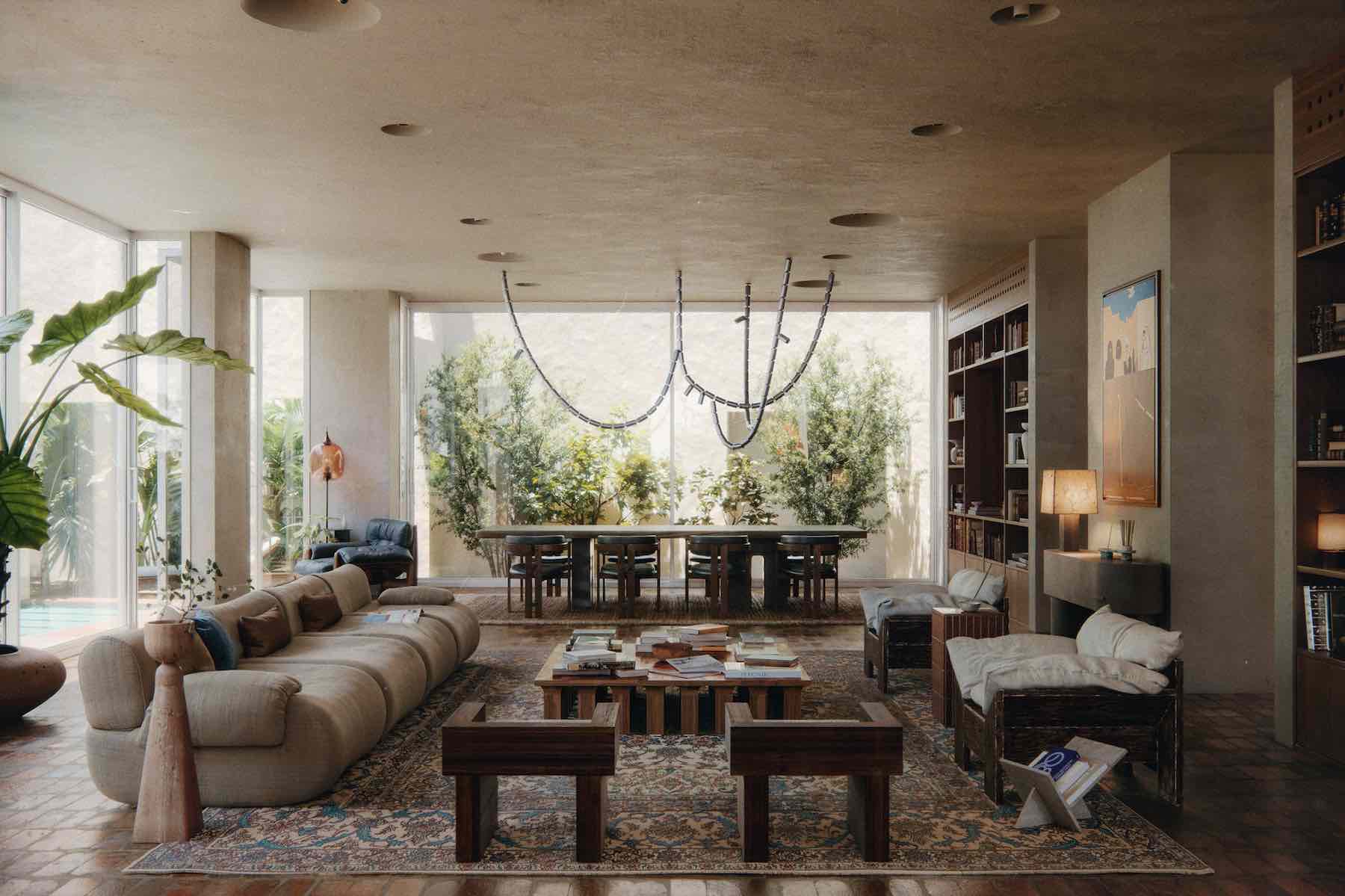
Each garden is associated with a different part of the house, giving individual rooms their own relationship with landscape, daylight and air. Instead of concentrating domestic life around one central courtyard, the project distributes the courtyard experience across the edges of the plot. Bedrooms, living spaces and circulation areas open towards these smaller gardens, creating a succession of views and transitions as one moves through the house.

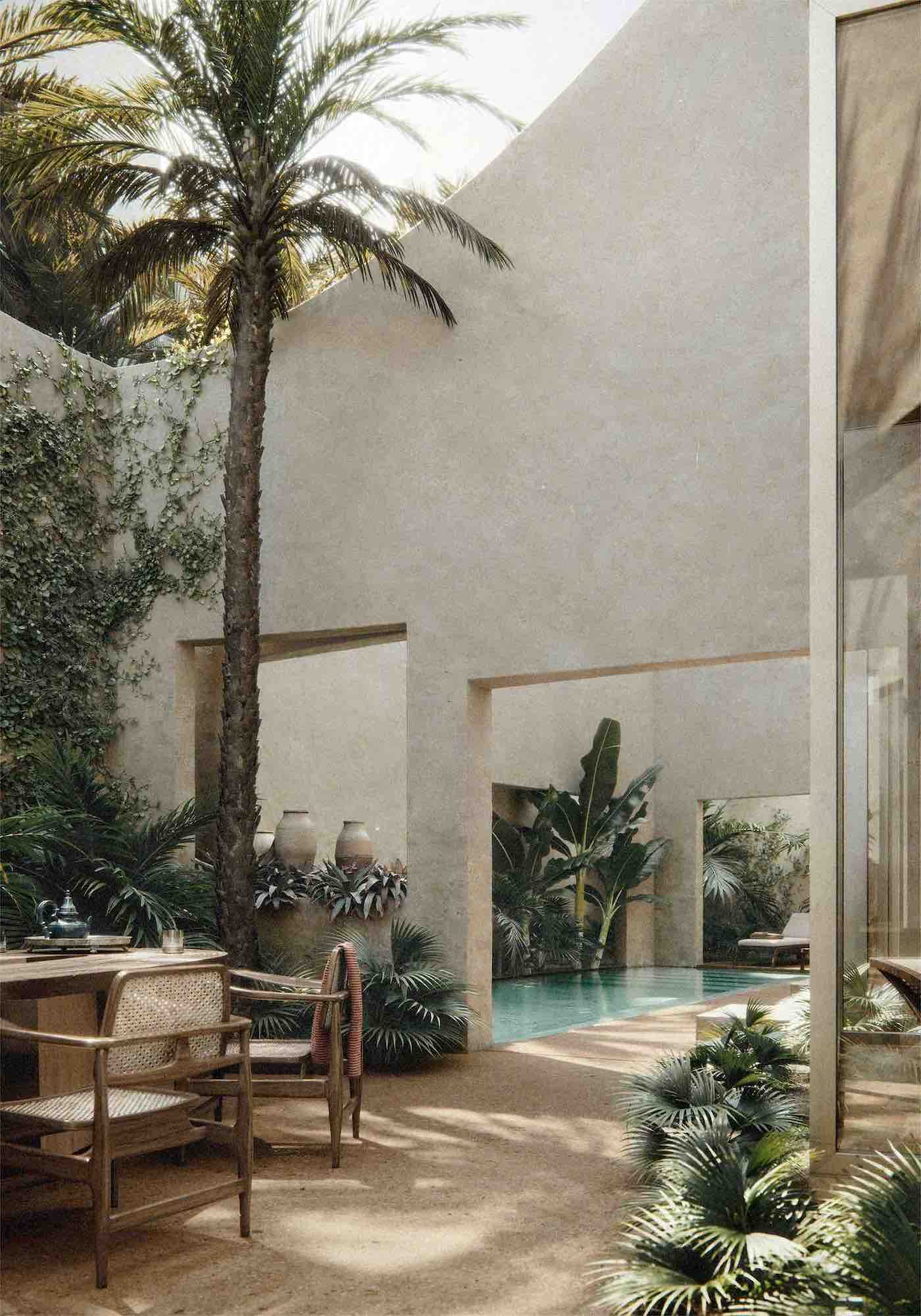
This arrangement gives the interiors a particular sense of depth. The gardens are not simply visual extensions of the rooms; they act as spatial thresholds between the private world of the house and the surrounding neighbourhood. Narrow planted courts bring vegetation and changing daylight close to the interior, while the perimeter walls maintain the privacy that has traditionally shaped residential architecture across the Gulf.

© OKDRAW STUDIO / Camille Zakharia

From the street, the house retains a relatively introverted character. Openings are limited, preserving a degree of separation from the public realm. Within the plot, however, the architecture becomes more porous. Rooms turn towards their individual gardens, allowing the landscape to become part of everyday domestic life. The contrast between the restrained exterior and the layered interior landscape is central to the experience of the project.

The result is a house organised less by a single central space than by a series of relationships between rooms and gardens. Light enters from multiple directions; vegetation appears repeatedly along the circulation routes; and the boundary between interior and exterior is experienced as a gradual sequence rather than a fixed line.

© OKDRAW STUDIO / Camille Zakharia

What makes House with Seven Gardens particularly compelling is its approach to tradition. The project does not attempt to recreate a historic Gulf house in contemporary form. Instead, it extracts the courtyard’s underlying principles—privacy, inward orientation, daylight, landscape and climatic mediation—and redistributes them within the realities of contemporary suburban development.

© OKDRAW STUDIO / Camille Zakharia

In this sense, the seven gardens are not an ornamental addition to the architecture. They are the architecture’s organising device. By transforming regulatory setbacks into inhabitable spaces, Civil Architecture turns a constraint of the modern suburban plot into an opportunity to reconsider how the contemporary Gulf house can live with landscape.


House with Seven Gardens is a 2024 residential project by Civil Architecture in Diyar Al Muharraq, Bahrain. The house reinterprets the traditional Gulf courtyard through seven planted gardens formed within the required setbacks of the contemporary residential plot. Each garden is paired with specific interior spaces, bringing daylight, vegetation and outdoor views directly into the domestic sequence. The architecture remains relatively closed towards the street while opening inward towards the gardens, balancing privacy with a continuous connection to the landscape. Rather than treating the interior as a separate layer, the project integrates architecture, circulation and garden as one spatial system, making the relationship between inside and outside the defining element of the home.

Project: House with Seven Gardens
Location: Diyar Al Muharraq, Bahrain
Year: 2024
Architecture: Civil Architecture
Project team: Ali Ismail Karimi, Hamed Bukhamseen, Fay Kazrooni, Zain Alsharaf, Fatima Nickahdar, Dana Khalid, Maryam Nooh
Images: OKDRAW STUDIO, Camille Zakharia

Maison de l’Orée: Reframing the Forest

0

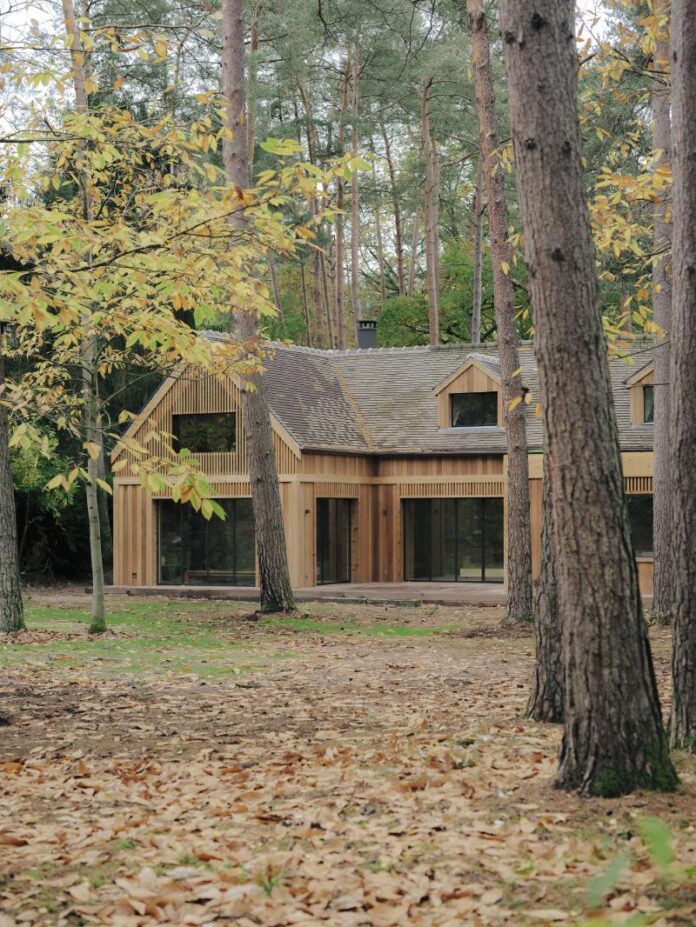
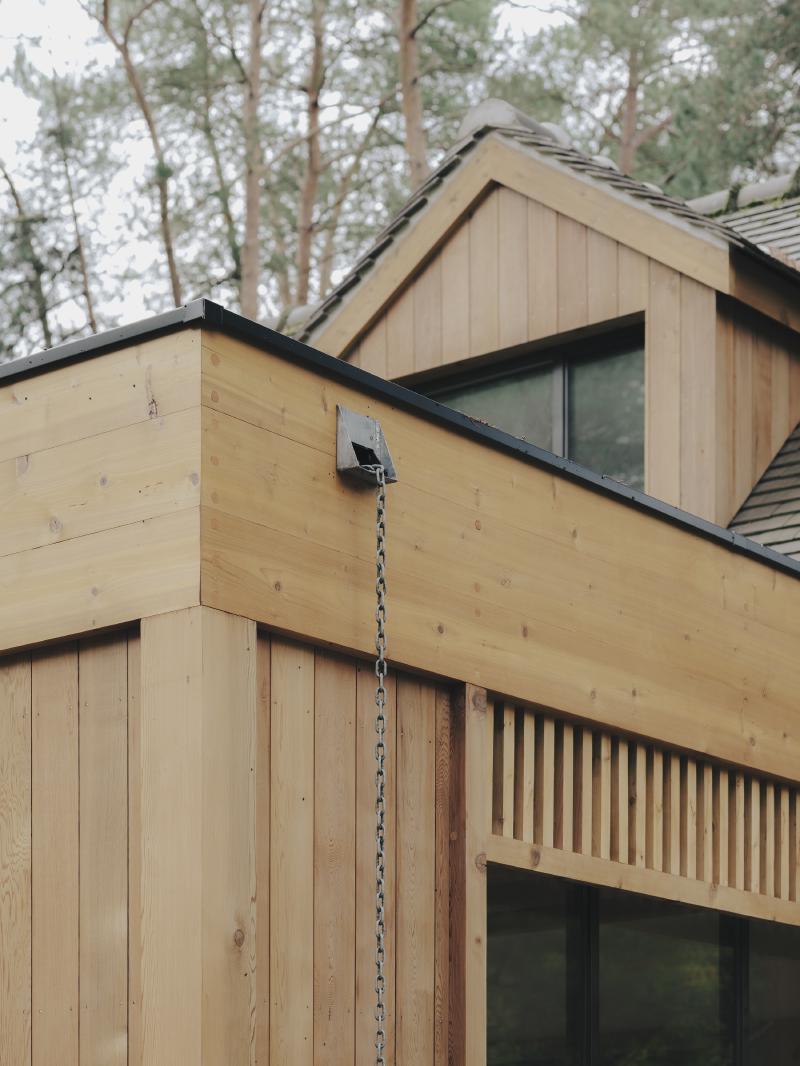
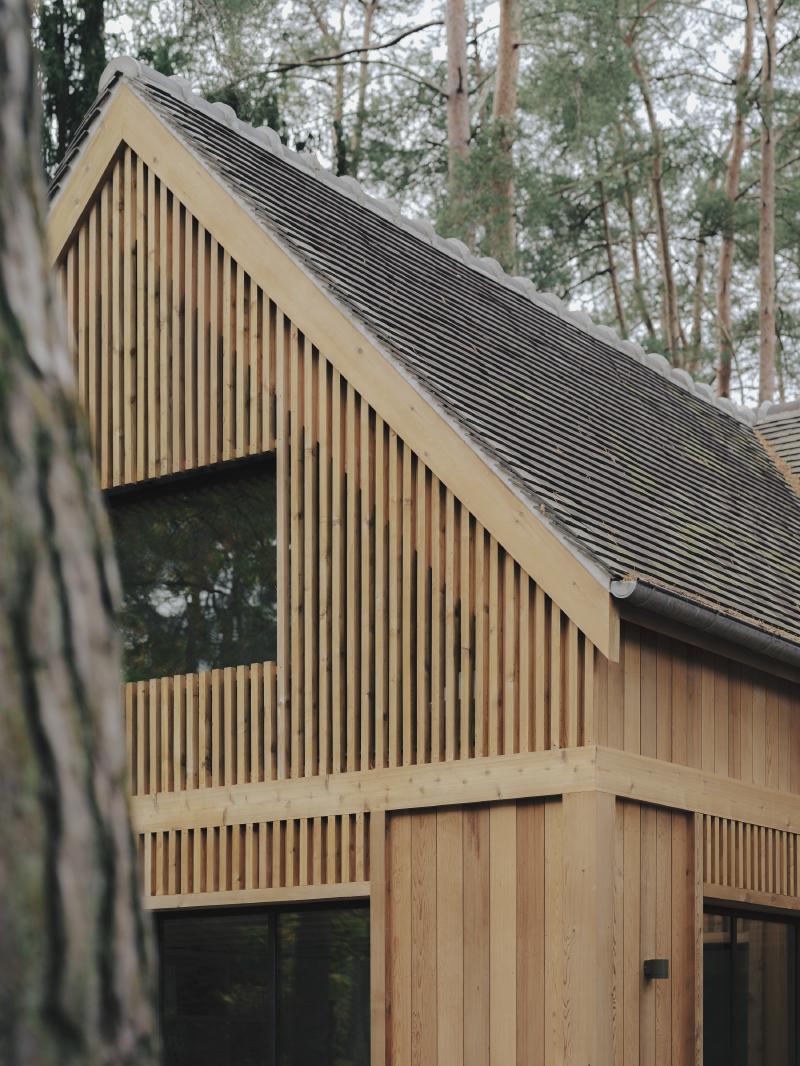
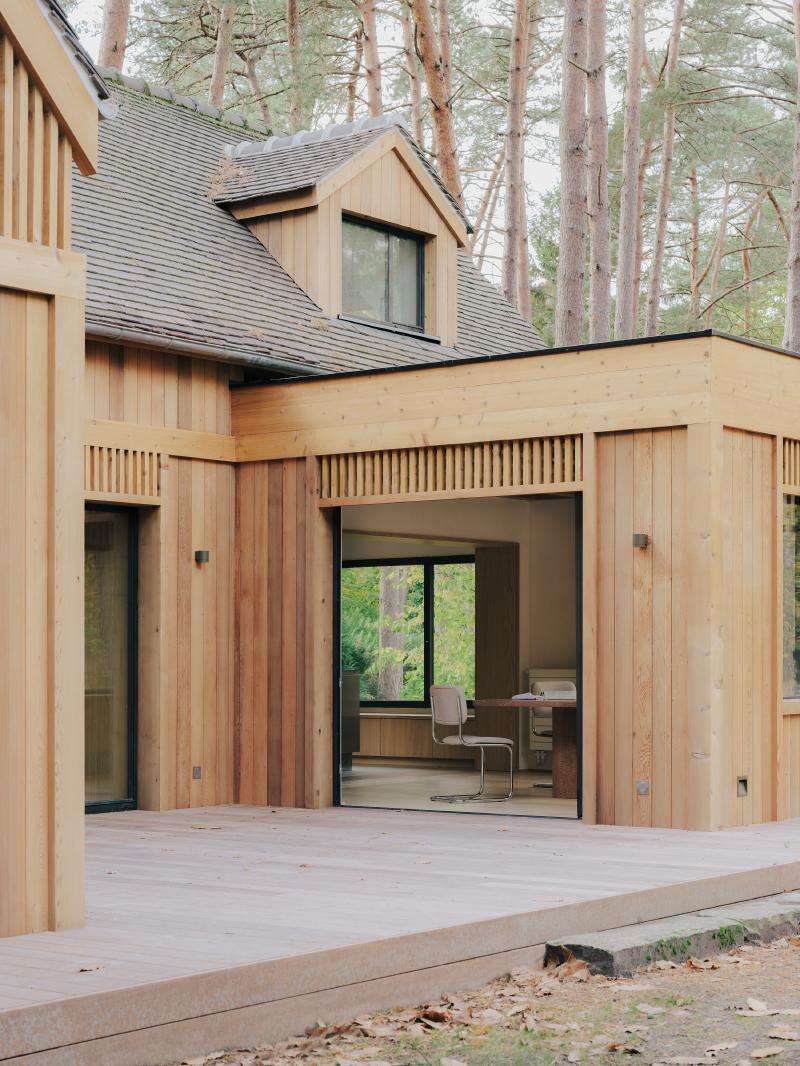
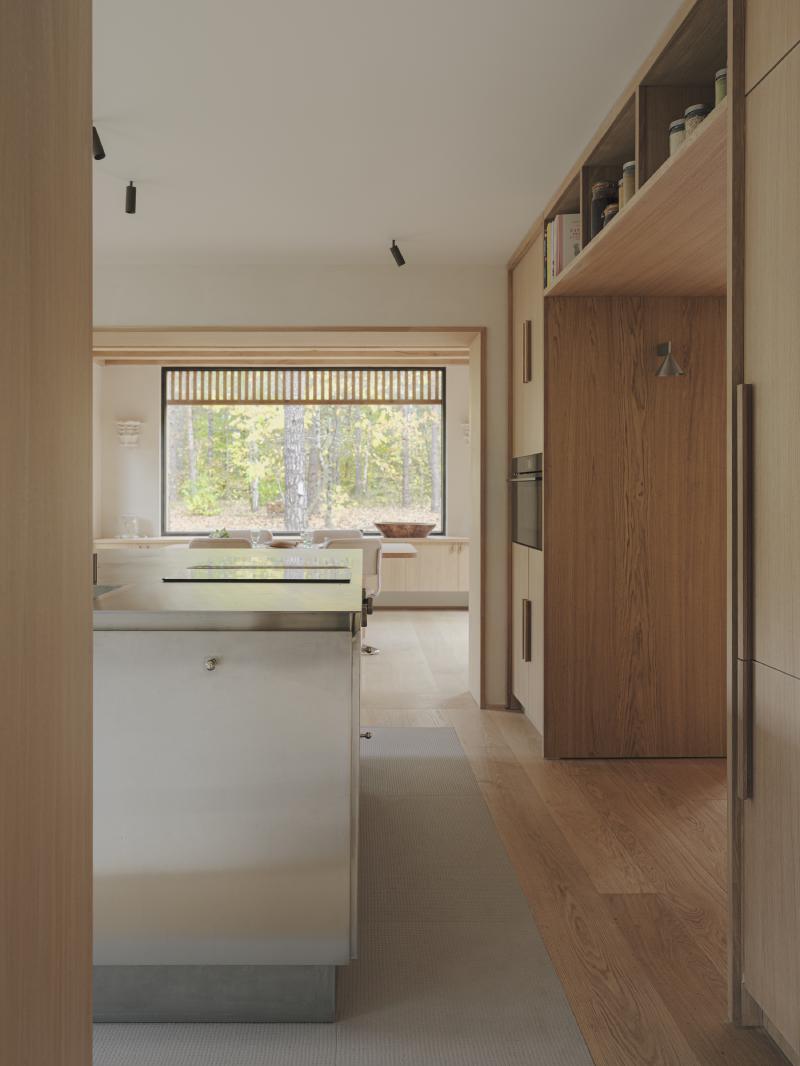
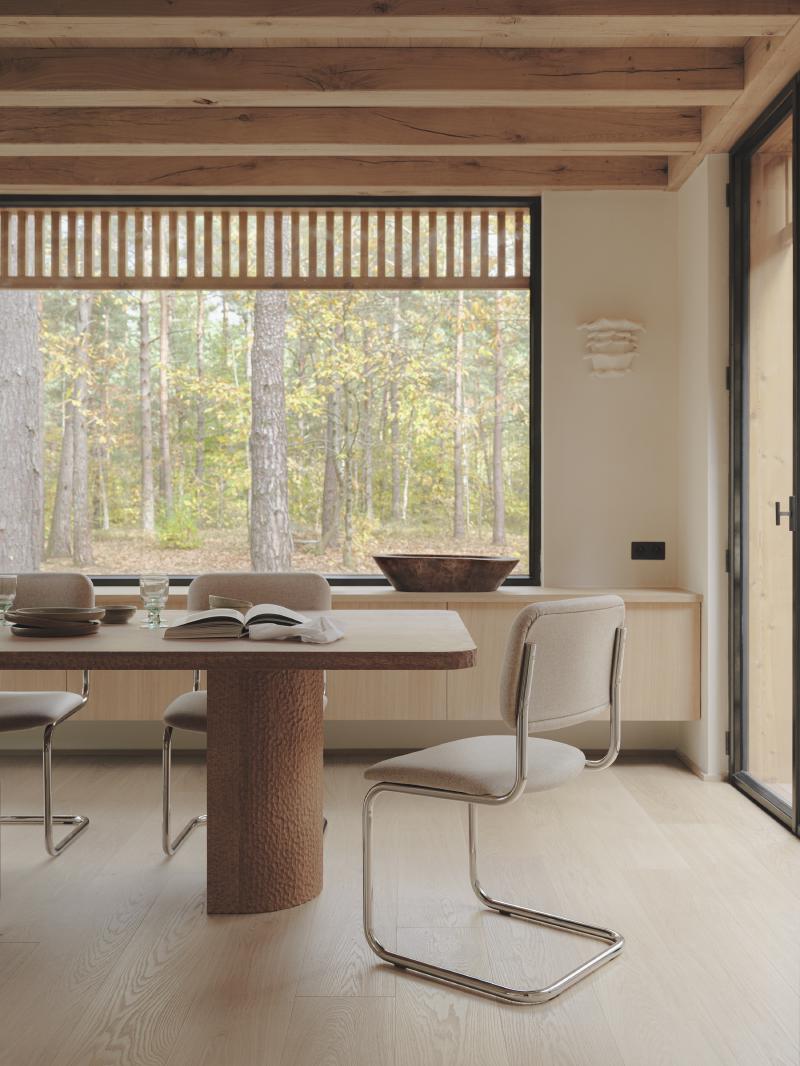
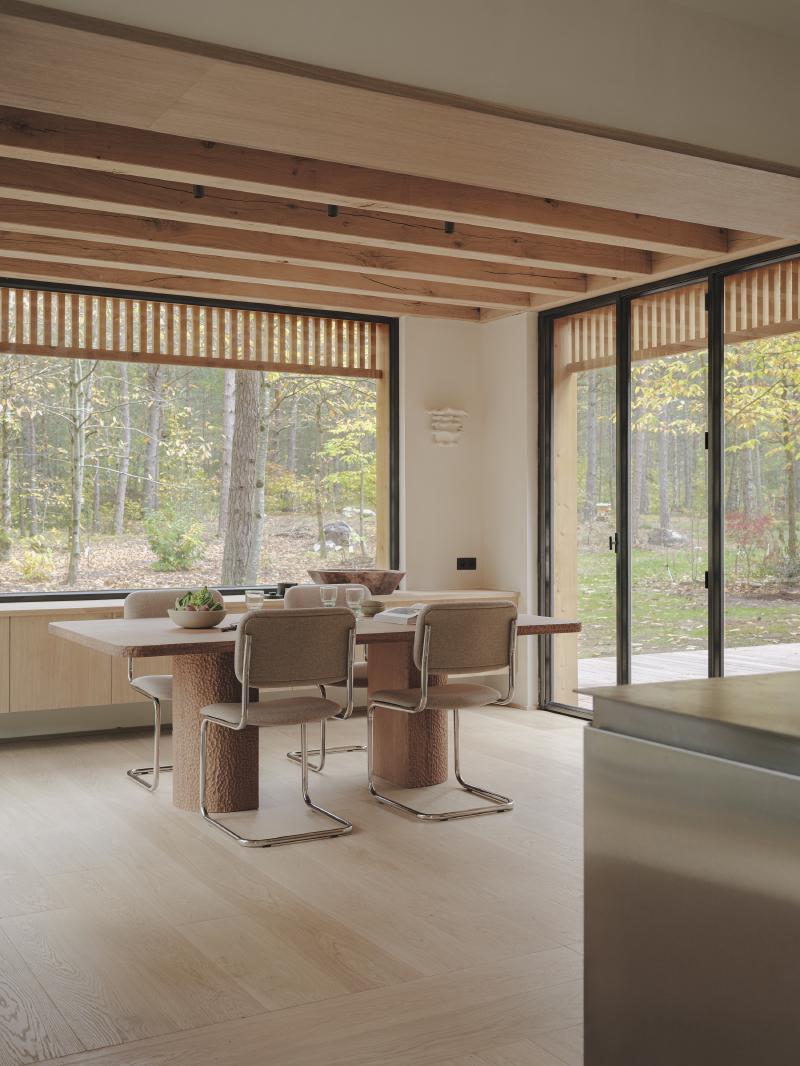
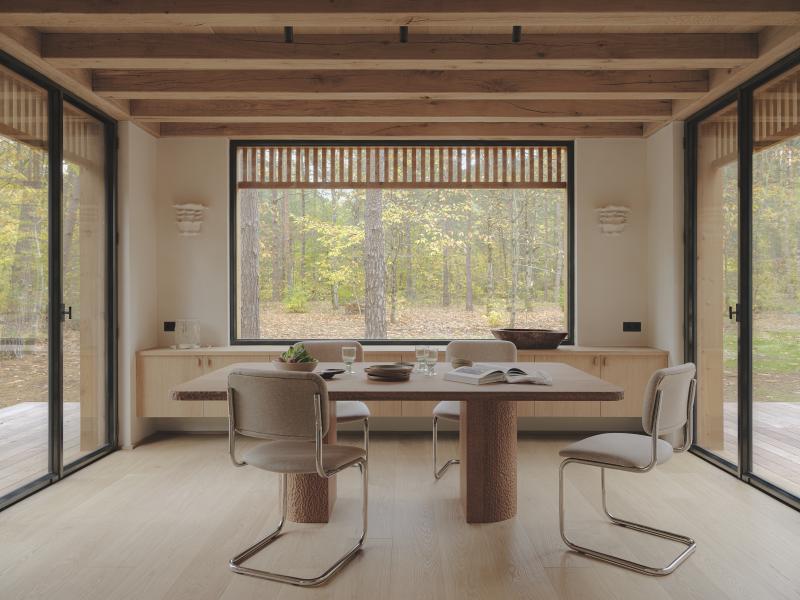
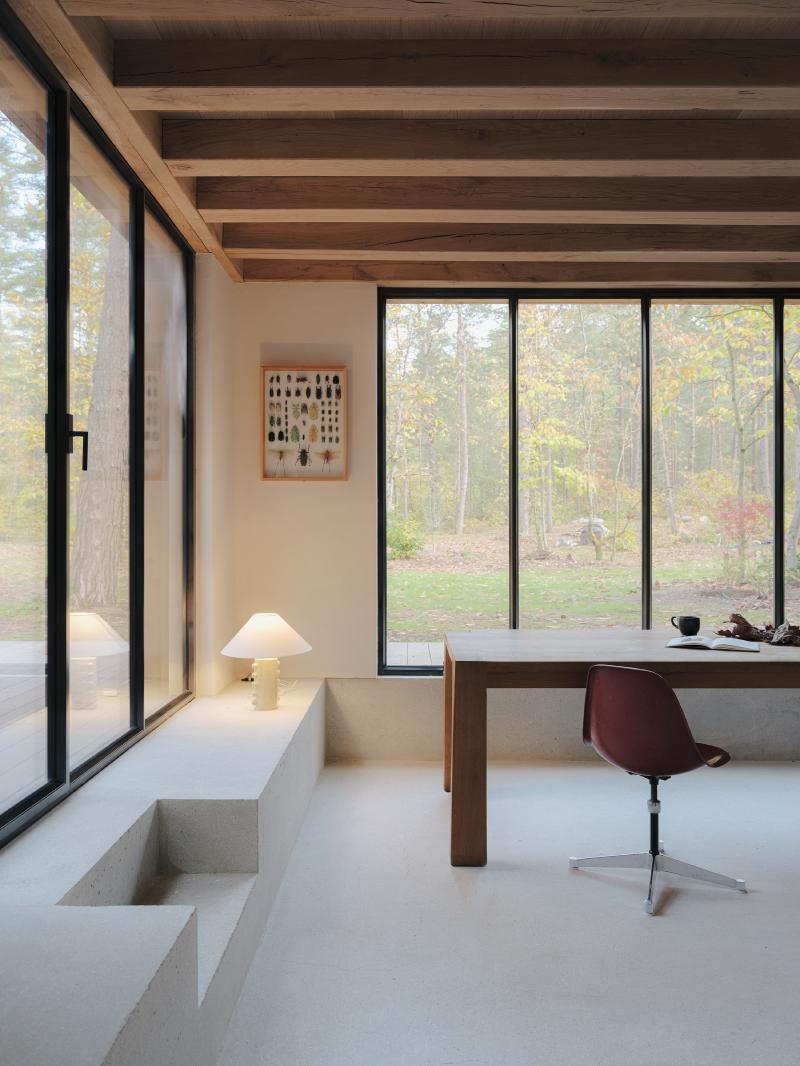
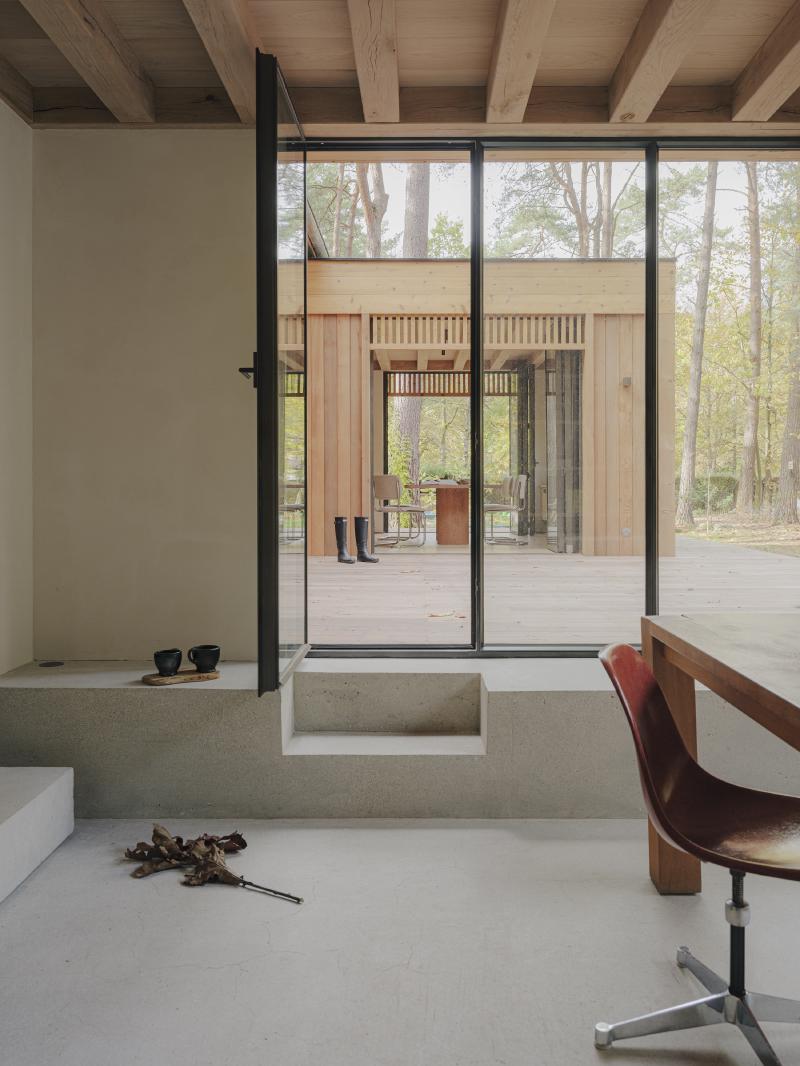
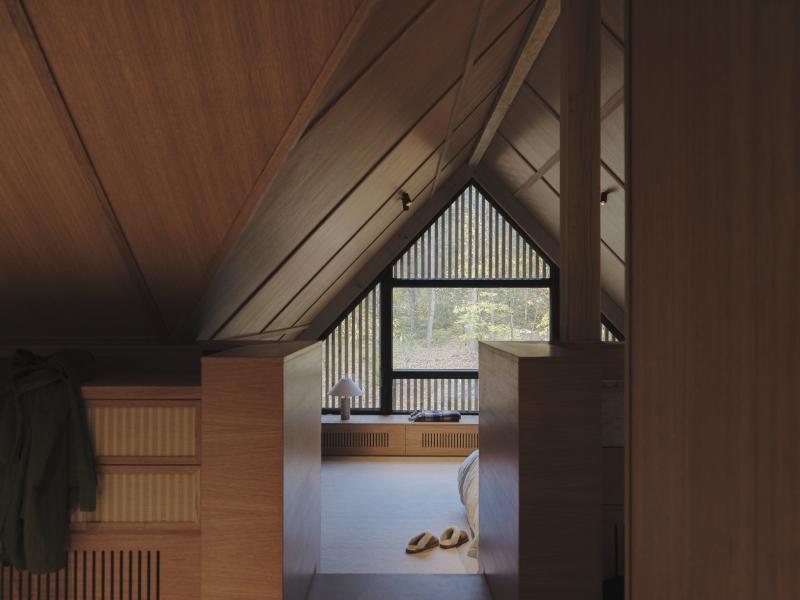
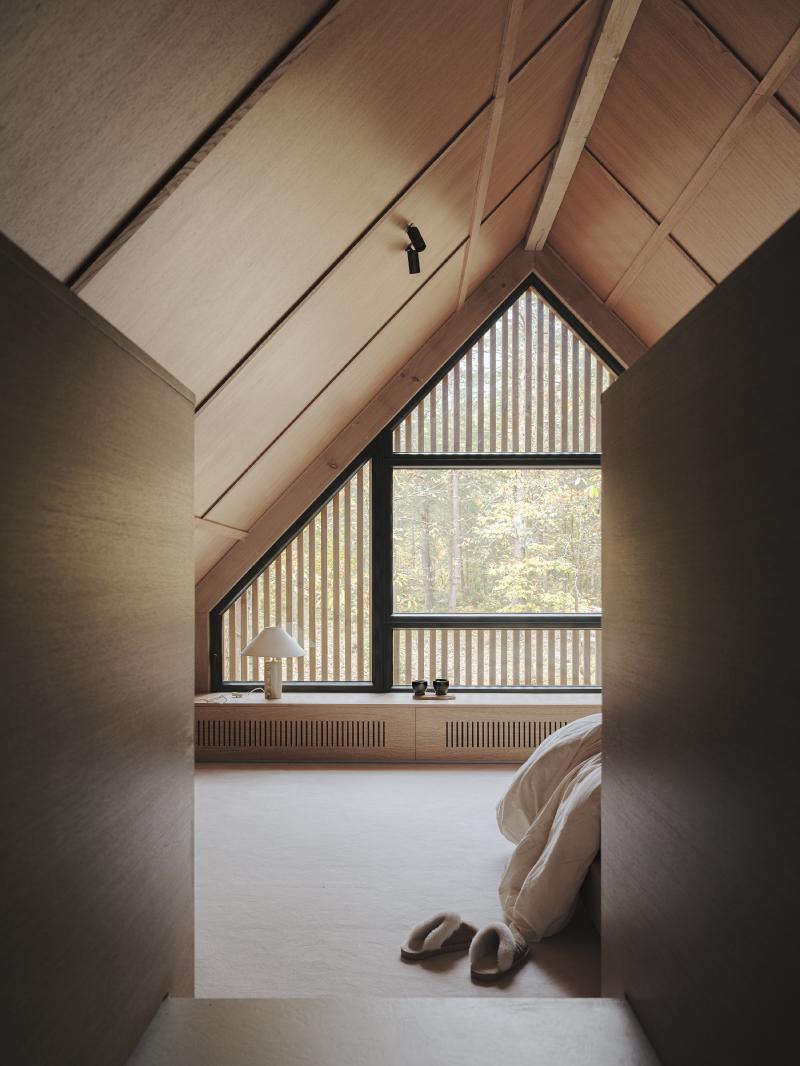
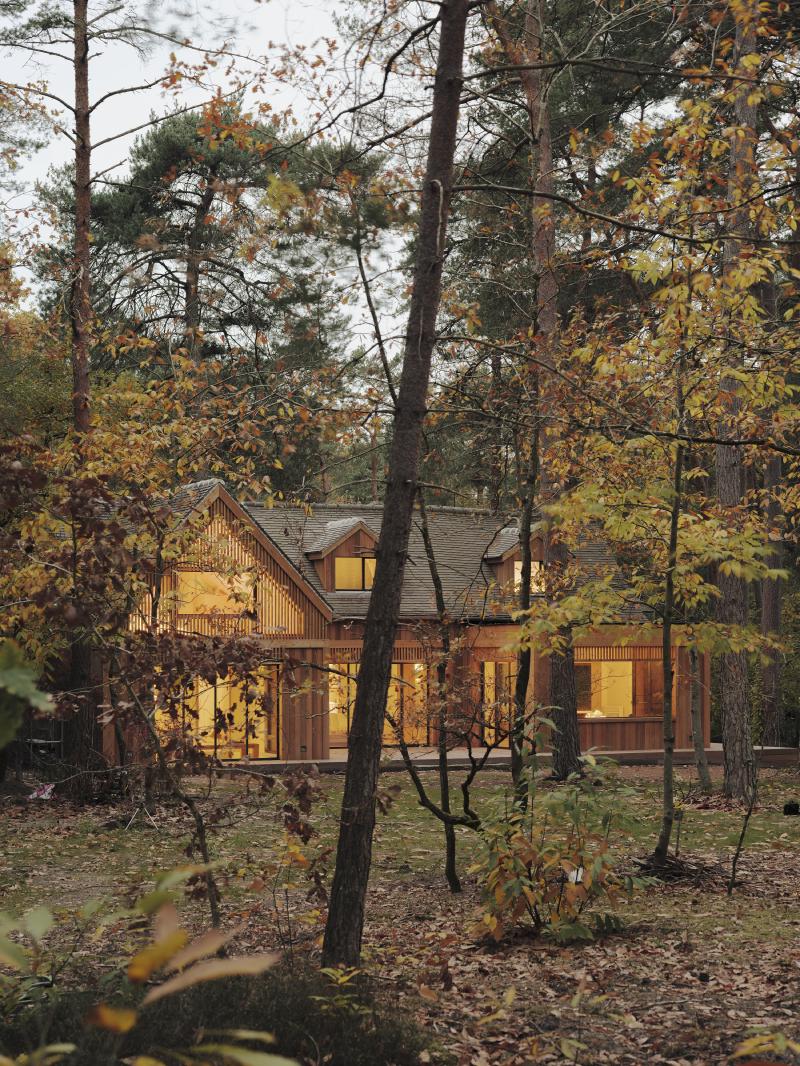
In Barbizon, at the edge of the Fontainebleau Forest, In Sinu Architectes has transformed an existing house by turning its attention towards the woodland that surrounds it. The acquisition of the adjoining wooded plot became the starting point for a broader rethinking of the home: rather than treating the forest as a backdrop, the architects made it the organising element of the project.

© IN SINU ARCHITECTES

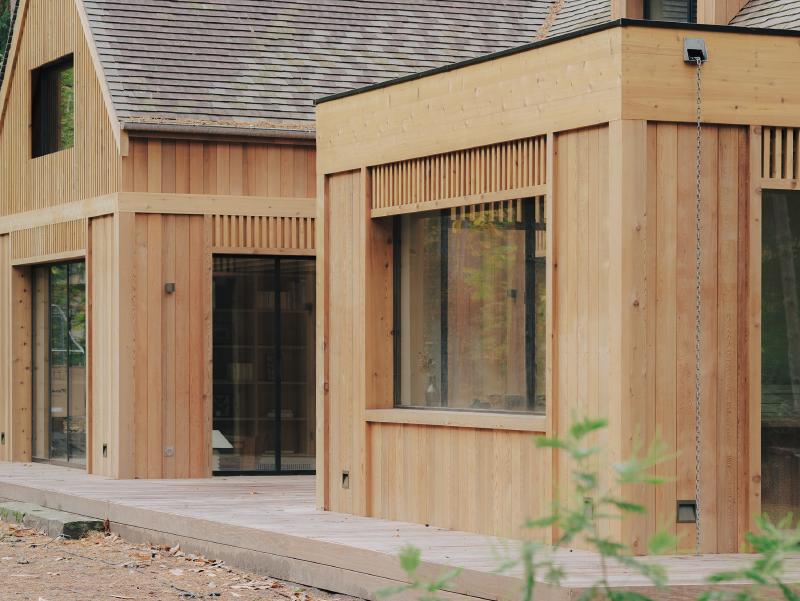
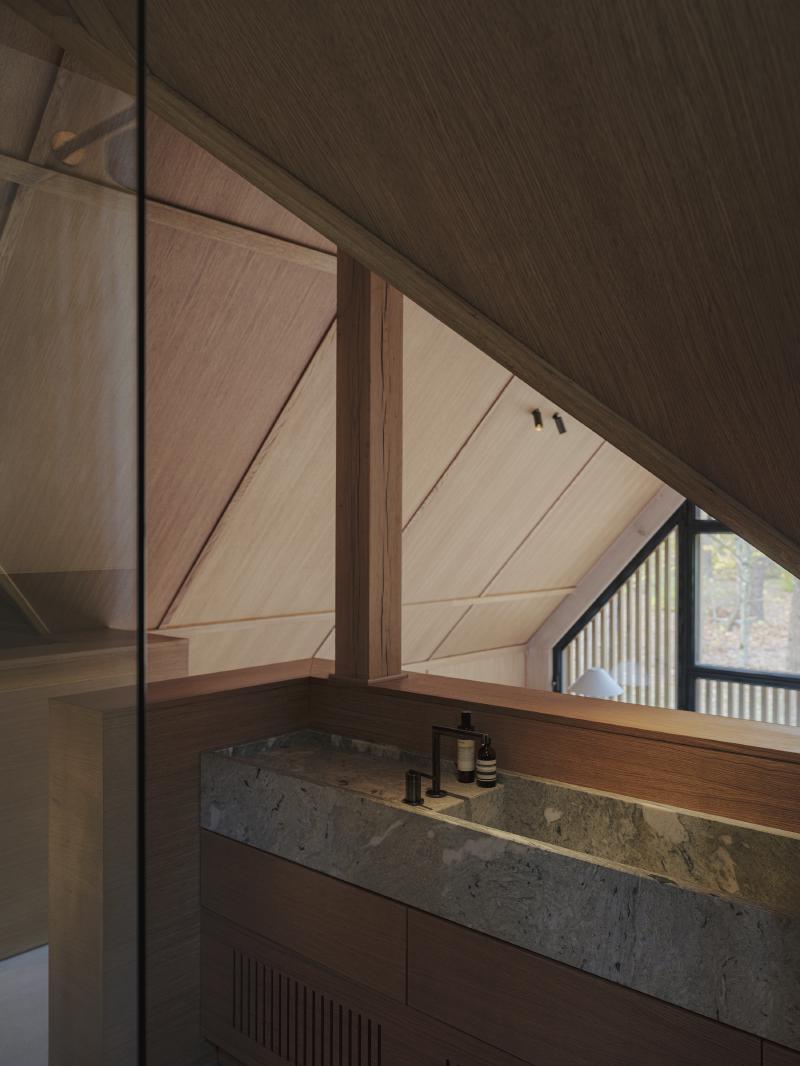
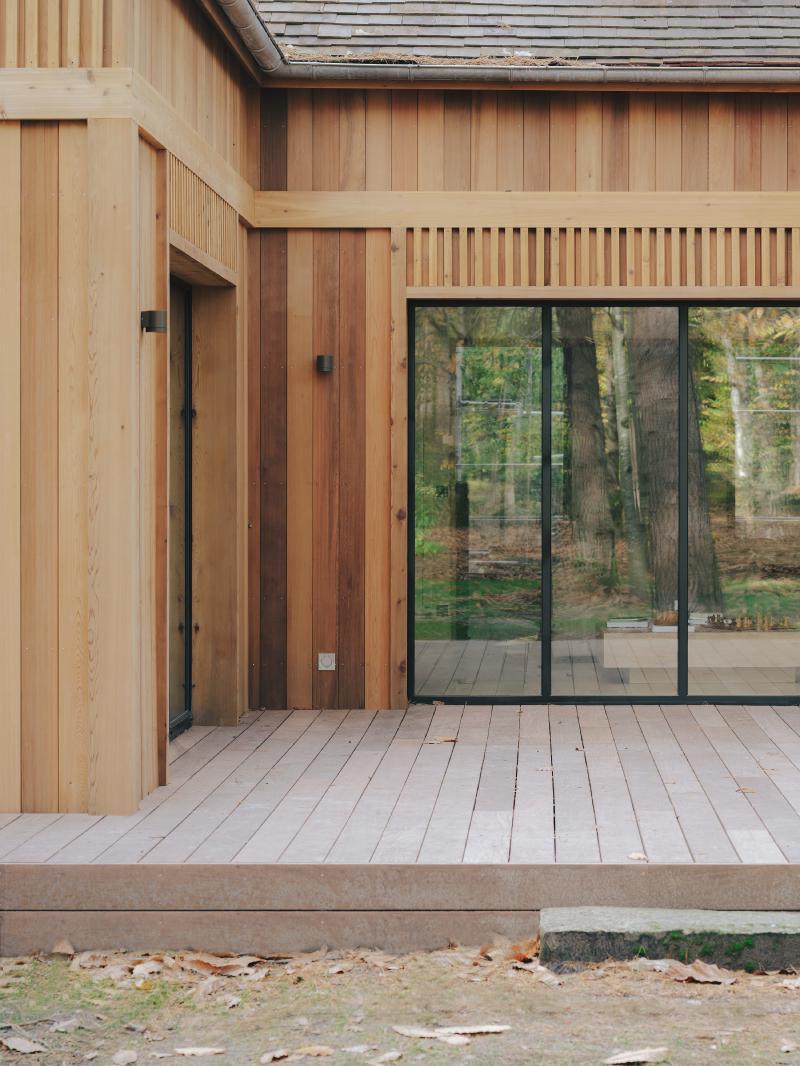
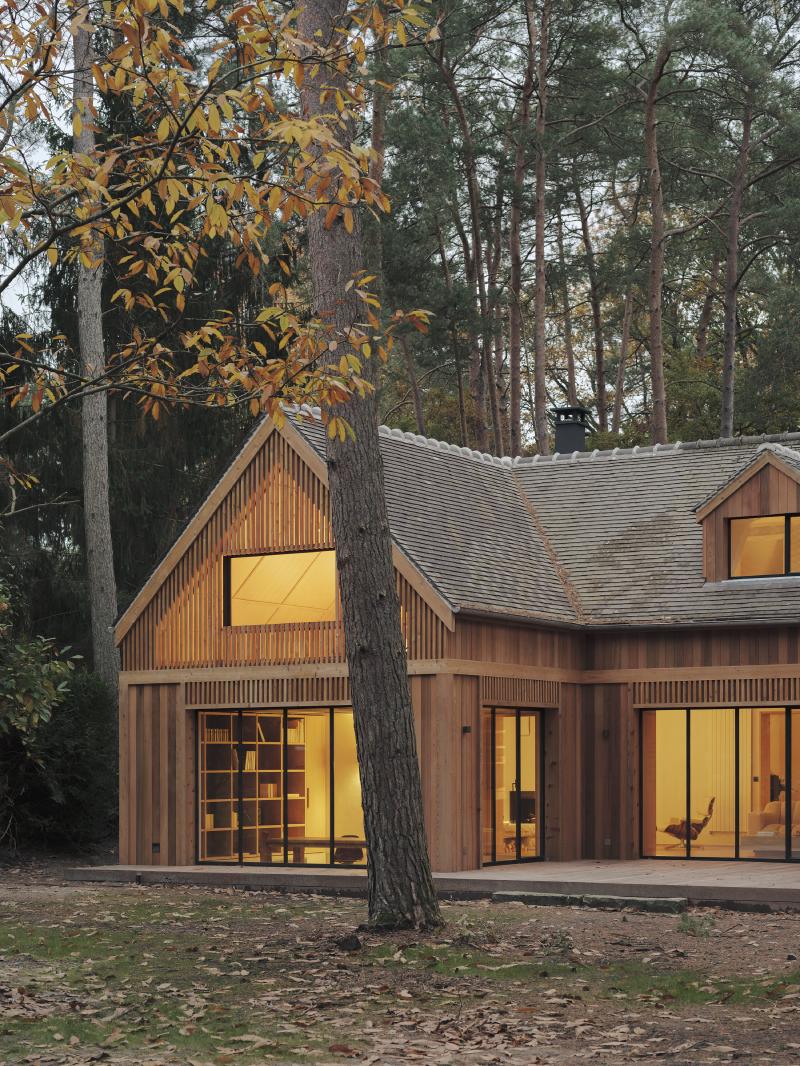
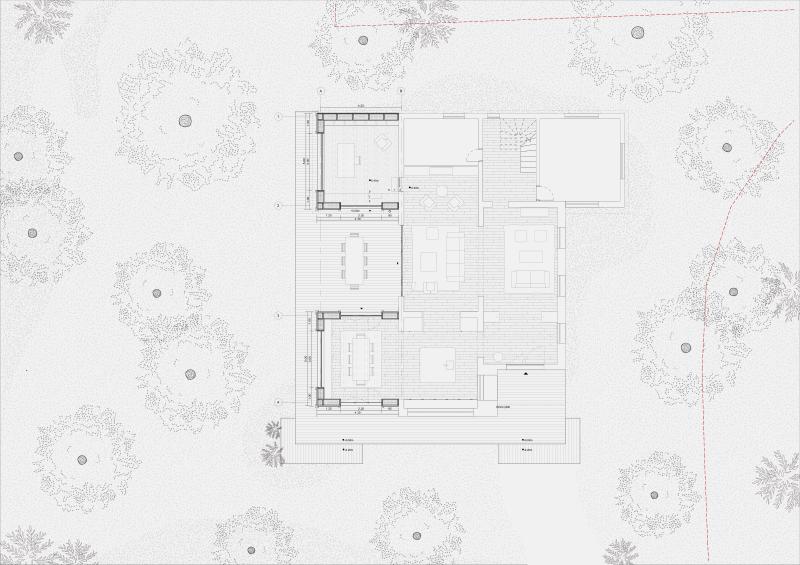
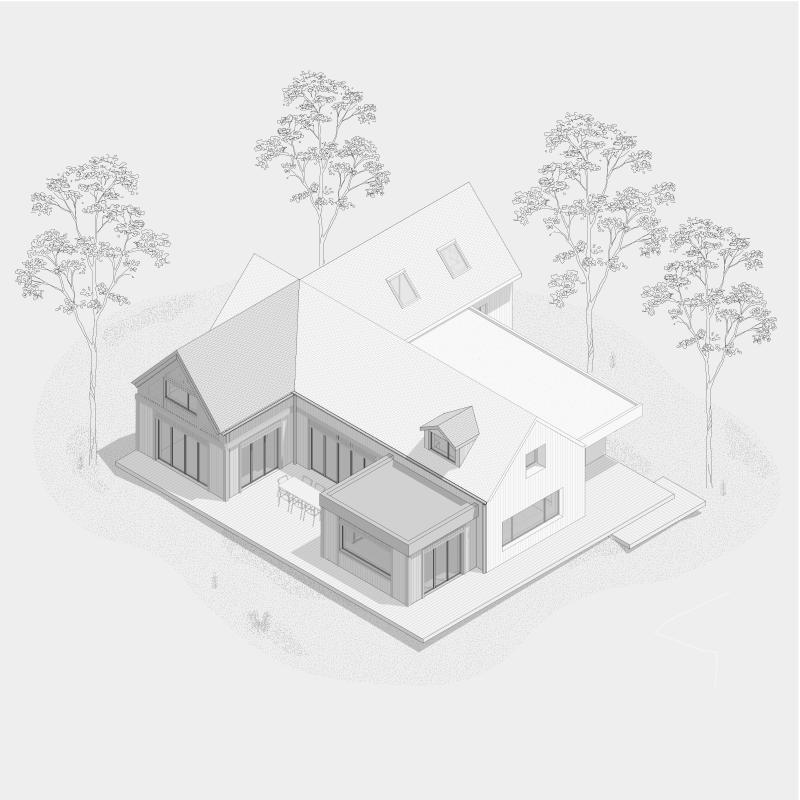
Two timber-frame extensions are arranged in a U-shaped composition around the existing structure. A new opening in what was once a blank wall further changes the orientation of the house, allowing the forest to enter the domestic sequence through carefully framed views. The extensions are positioned within the existing terrain with particular care, preserving the trees and responding to the natural changes in level. One of the new volumes is partially set into the ground, giving the addition a more grounded presence within the site.

© IN SINU ARCHITECTES

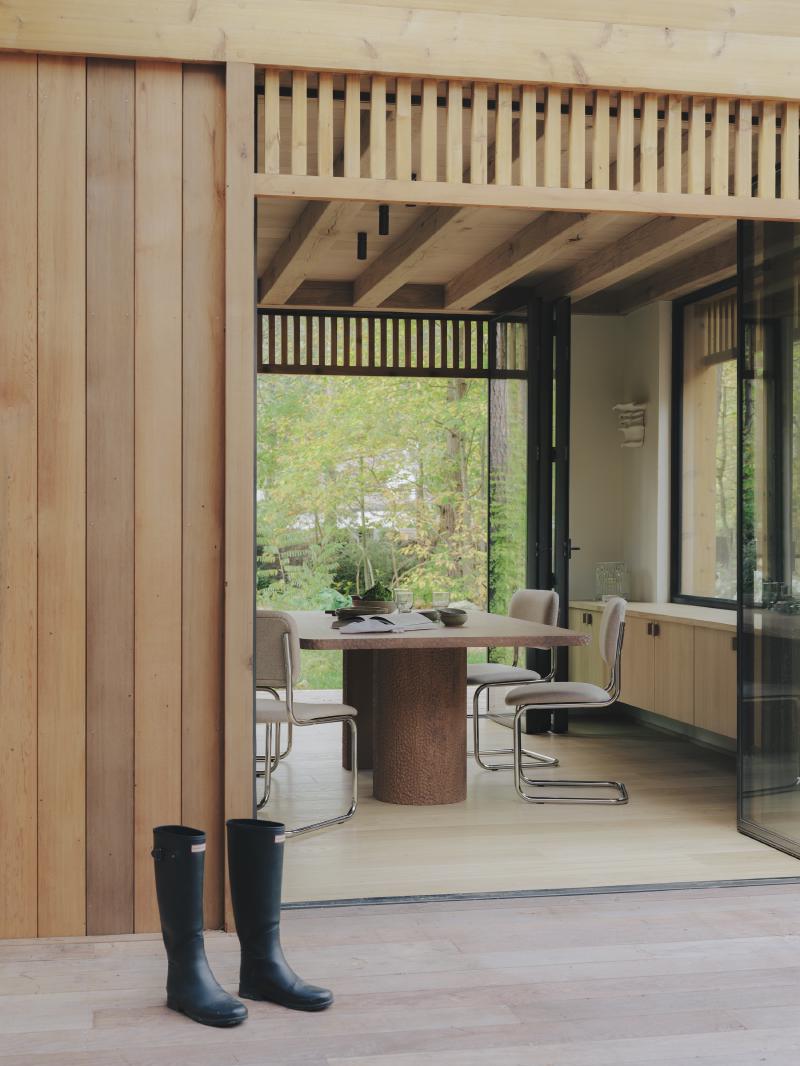
The architecture is deliberately quiet, but its restraint is not without detail. Ochre-toned timber cladding draws from the colours of the surrounding pines and seasonal vegetation. Posts, profiles and open-jointed timber elements give the façades a fine, layered relief; after dark, the relationship between the timber screen and the illuminated interior becomes particularly pronounced.

© IN SINU ARCHITECTES

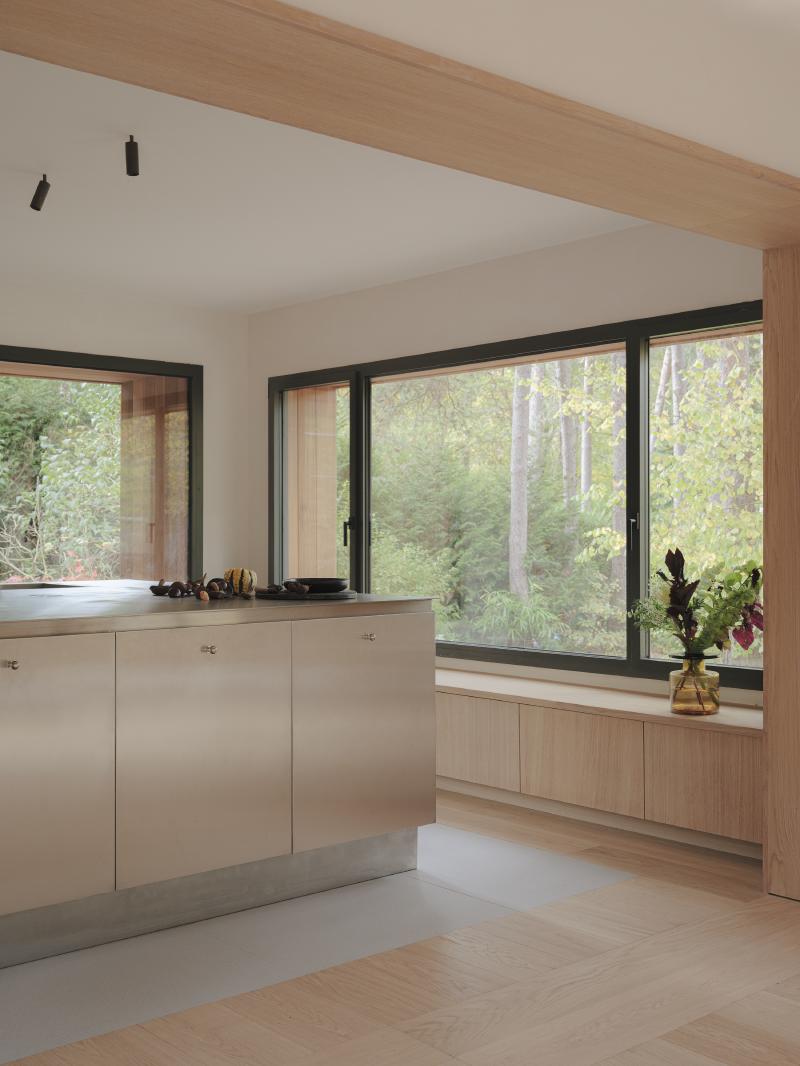
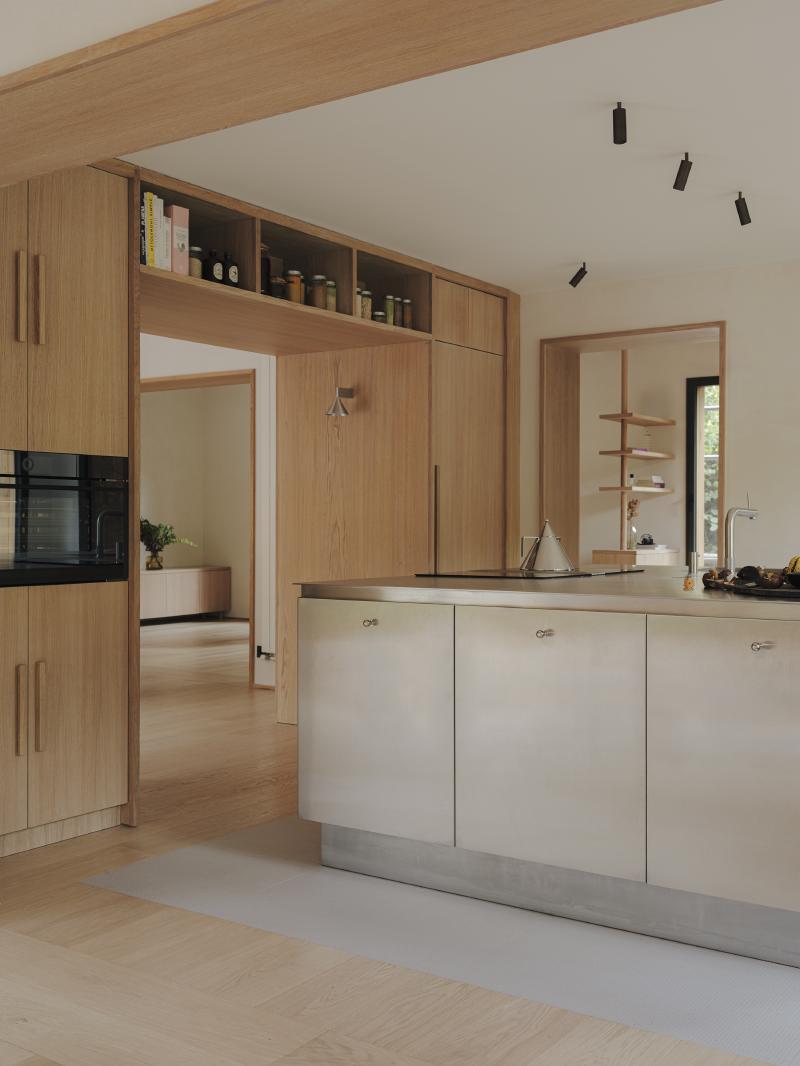
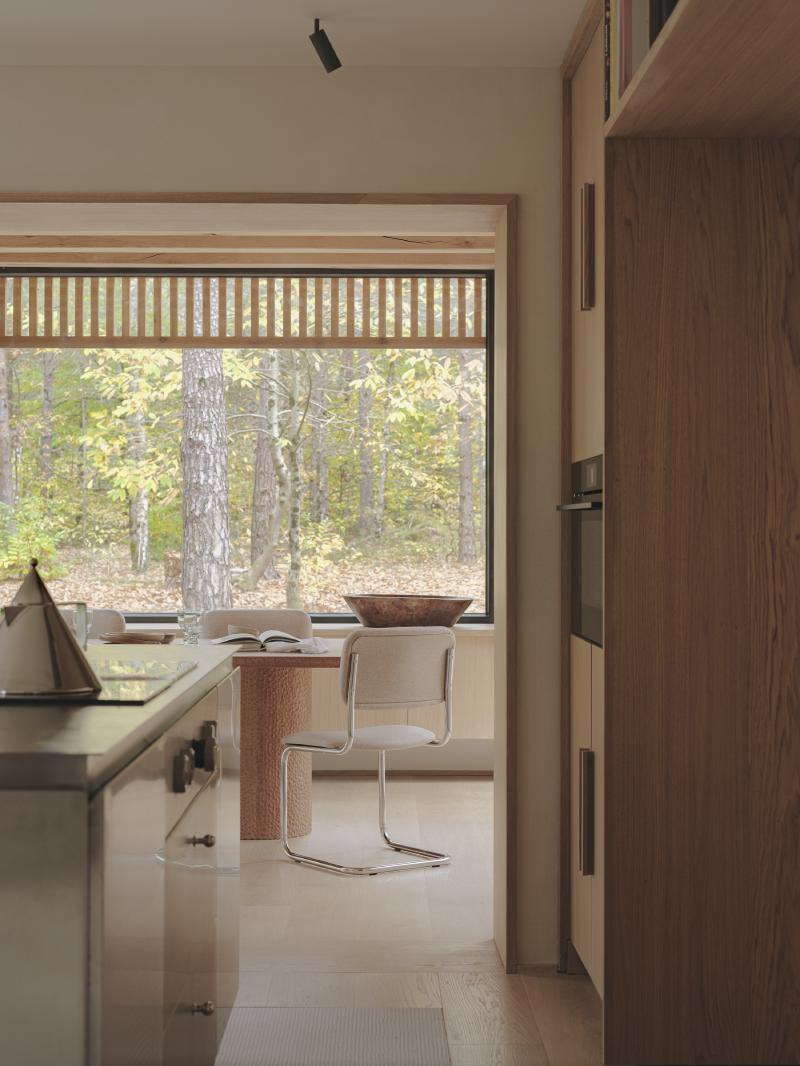
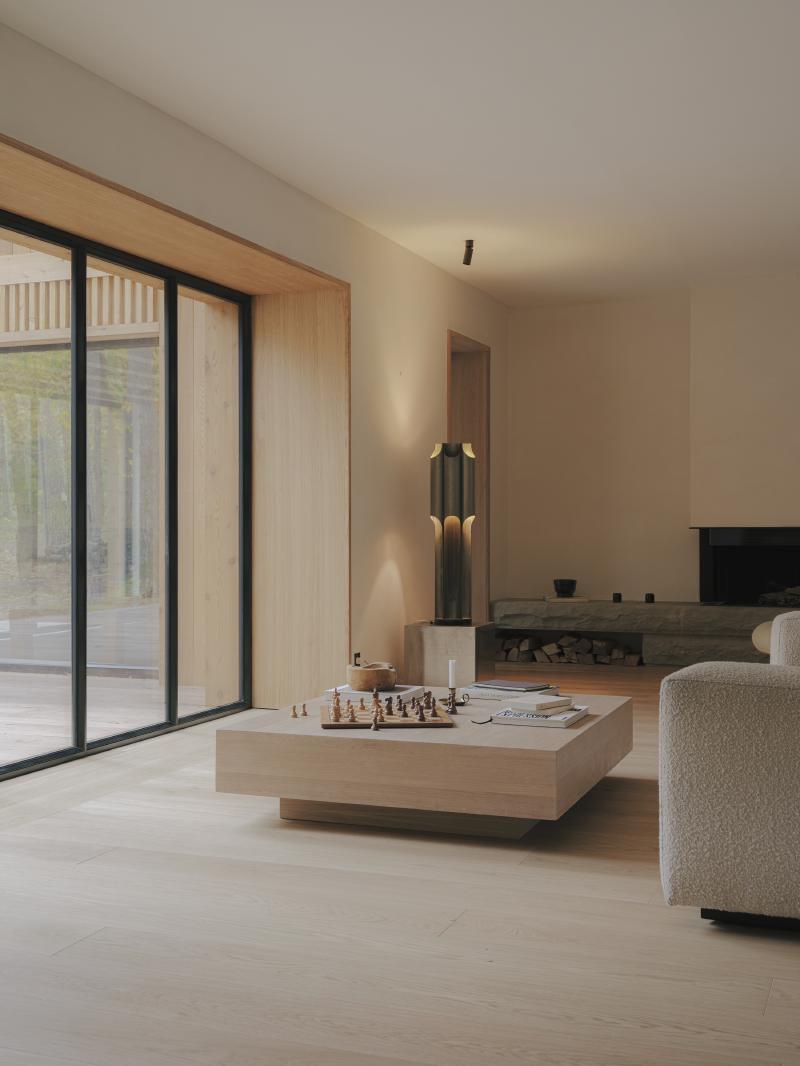
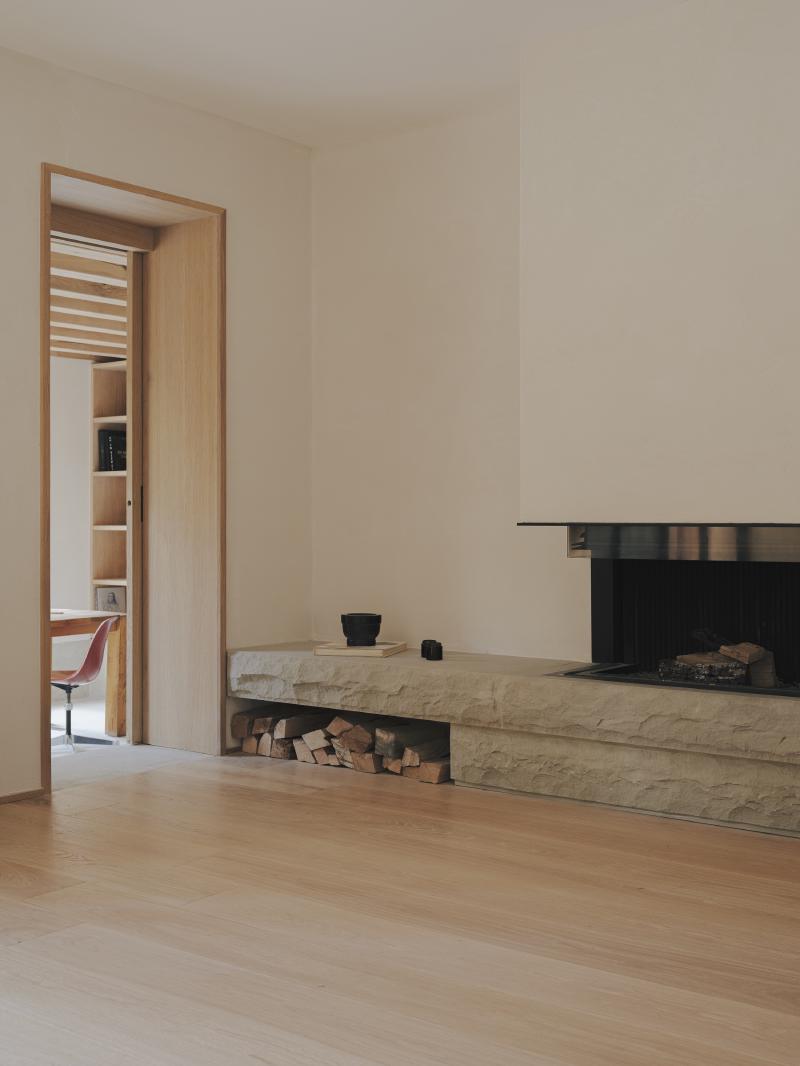
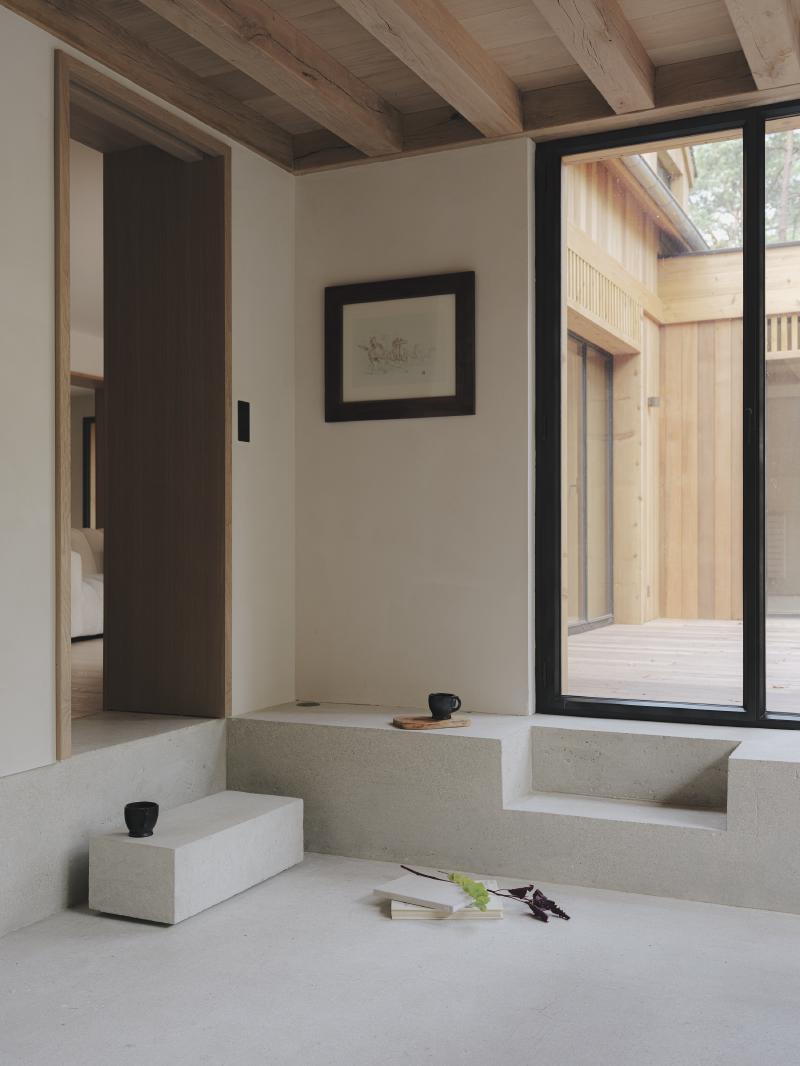
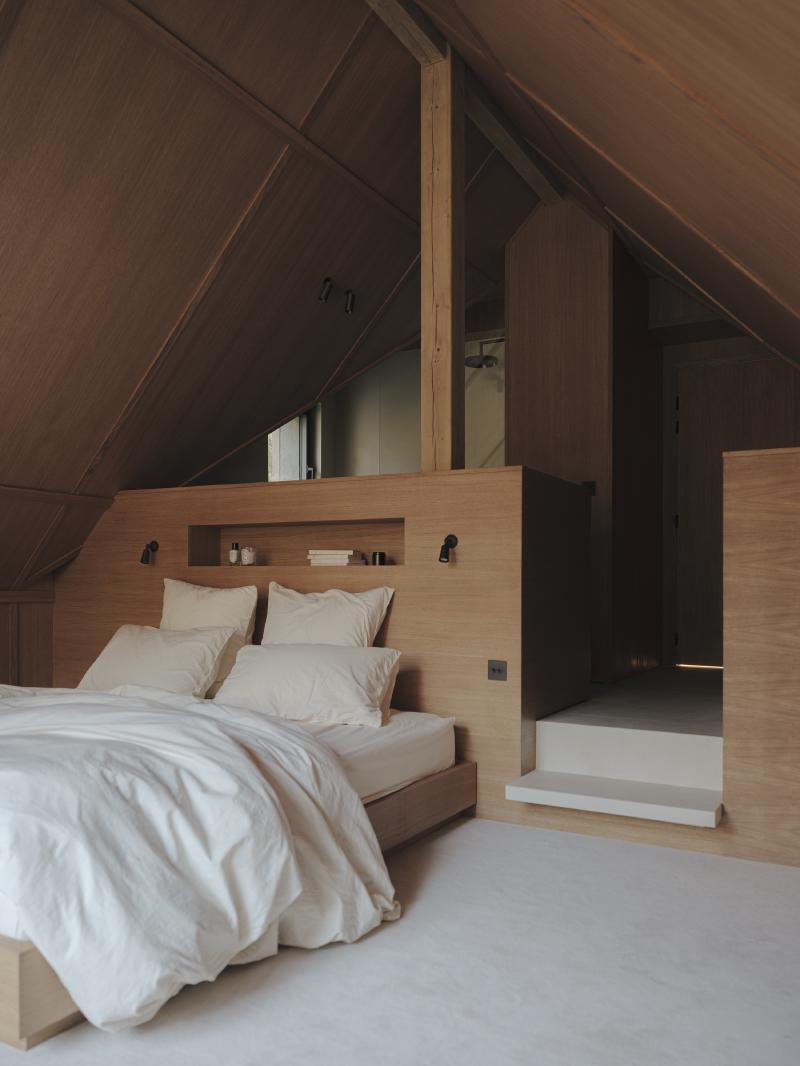
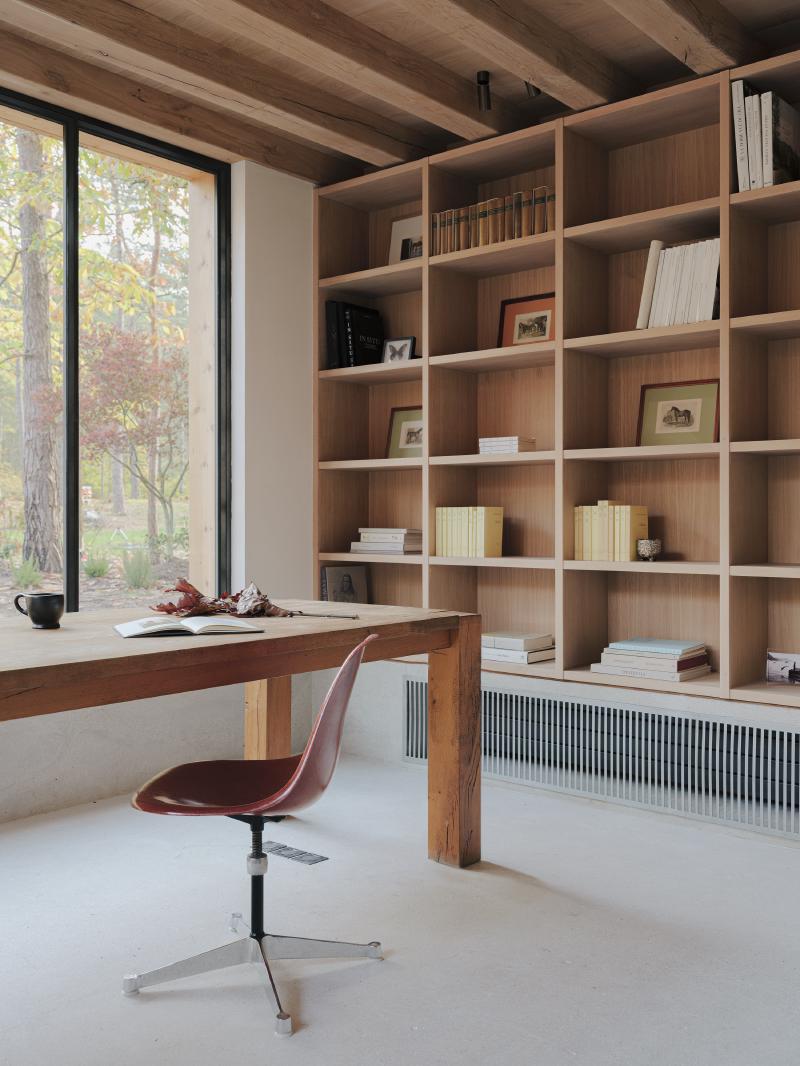
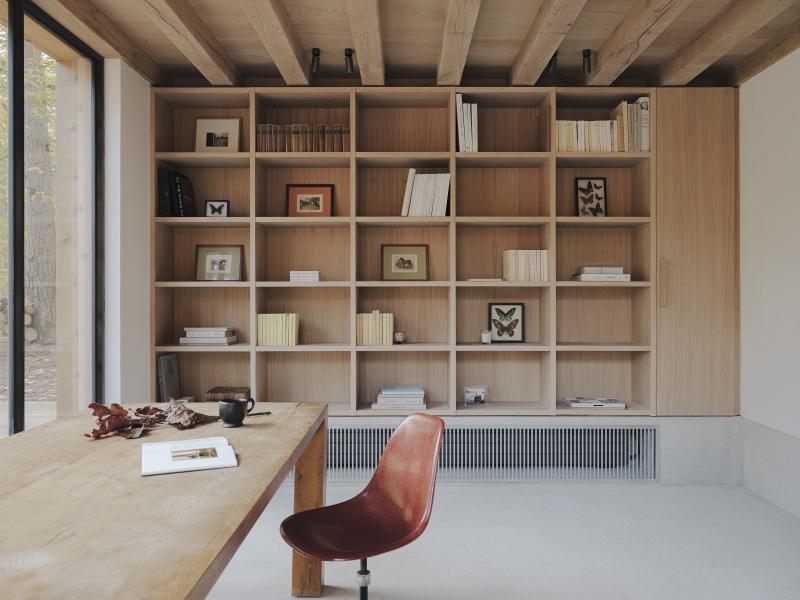
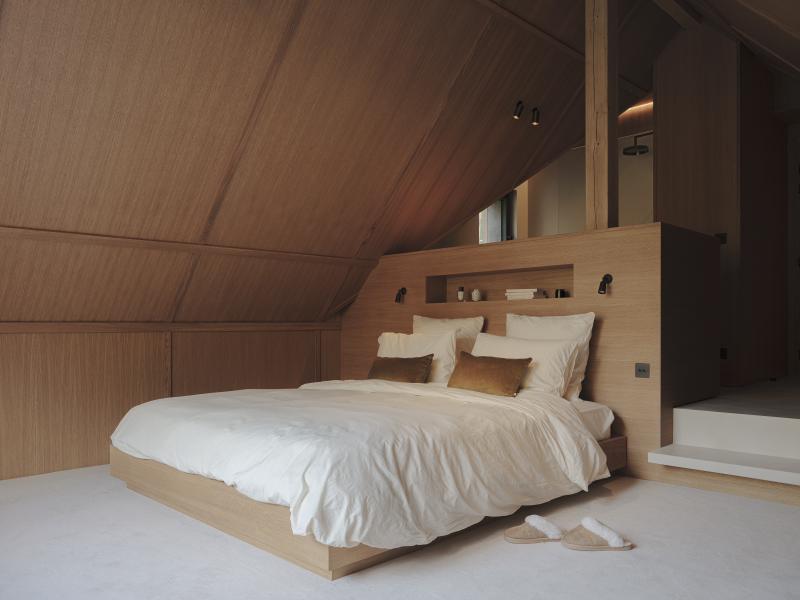
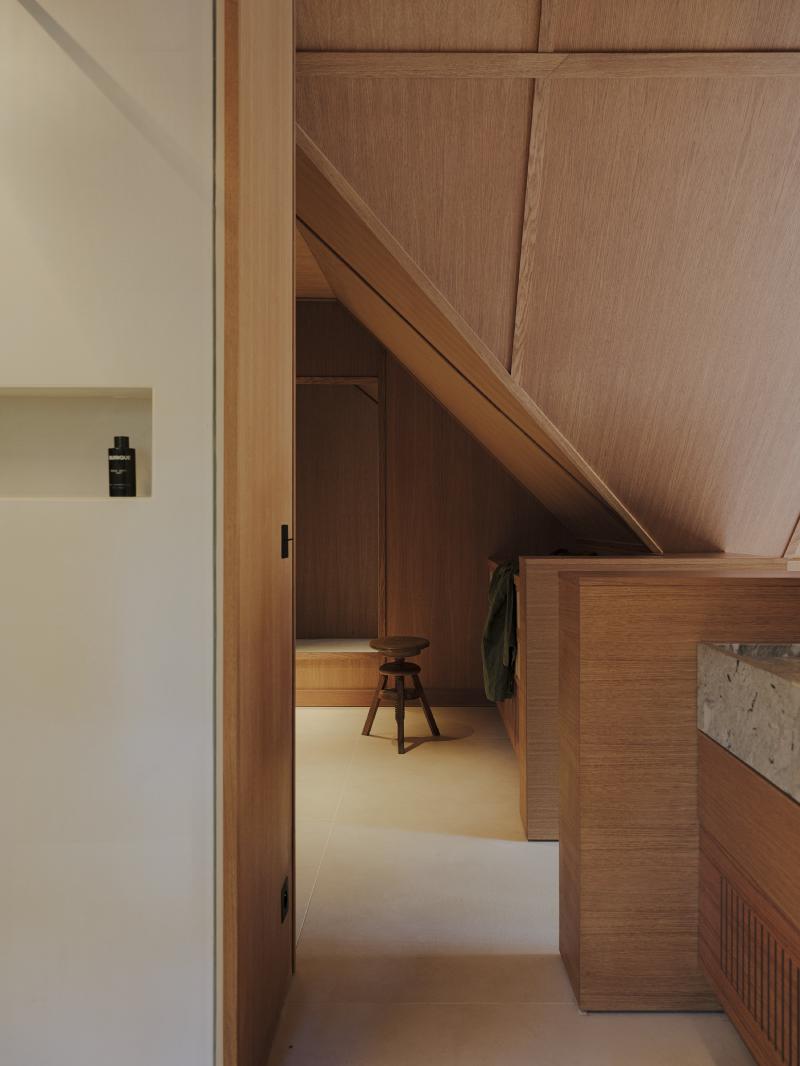
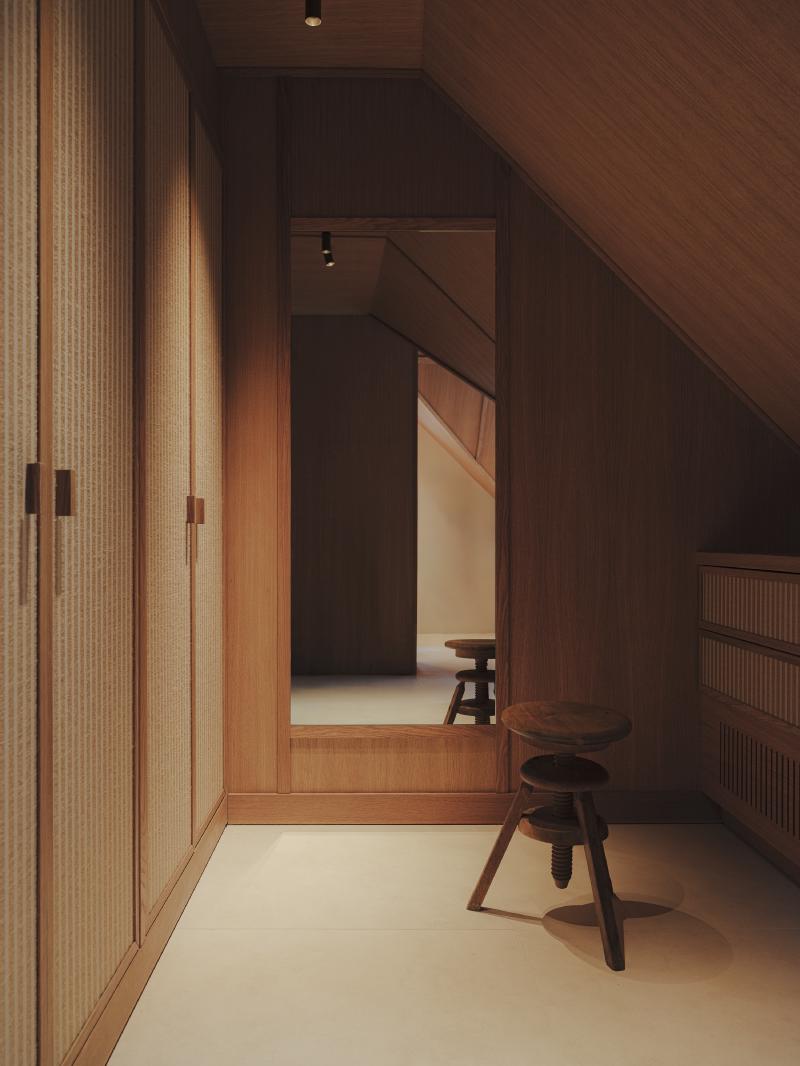
Inside, the same dialogue with the landscape continues through a restrained material palette. Oak is used for joinery and fittings, while mineral plaster provides a softer counterpoint to the timber. A fireplace built from hewn Fontainebleau sandstone brings the geology of the surrounding landscape directly into the interior. In the kitchen, a brushed stainless-steel island introduces a more reflective surface, catching the changing light and shadows of the trees beyond.

© IN SINU ARCHITECTES

The project extends beyond architecture into the design of the furniture, with custom fixed elements and freestanding pieces developed as part of the same material and spatial language. This continuity gives the house a sense of coherence without making every element feel uniform.

What distinguishes Maison de l’Orée is therefore not simply its use of timber or its woodland setting, but the precision with which the existing house has been repositioned in relation to its surroundings. Architecture, interior and landscape are treated as parts of the same composition: the forest determines the views, the views inform the openings, and the material palette carries the character of the site into the rooms. Completed in 2025, the house presents a considered model of residential renovation in which adding to an existing building becomes an opportunity to reconsider how it belongs to its landscape.

© IN SINU ARCHITECTES

Maison de l’Orée is a 2025 residential renovation and extension by In Sinu Architectes in Barbizon, France. The existing house is expanded through two timber-frame volumes arranged in a U-shaped plan, with a new central opening establishing a stronger visual and spatial connection to the Fontainebleau Forest. The extensions respond closely to the wooded terrain, including a partially sunken volume that follows the site’s natural levels. Ochre-toned timber cladding, oak joinery, mineral plaster and locally resonant Fontainebleau sandstone form a restrained material vocabulary that continues from the exterior into the interiors. Custom furniture and built-in elements complete the architectural intervention, creating a continuous language between structure, interior and landscape.

© IN SINU ARCHITECTES

IN SINU ARCHITECTES

Tribeca Residence: Between Rawness and Refinement

0

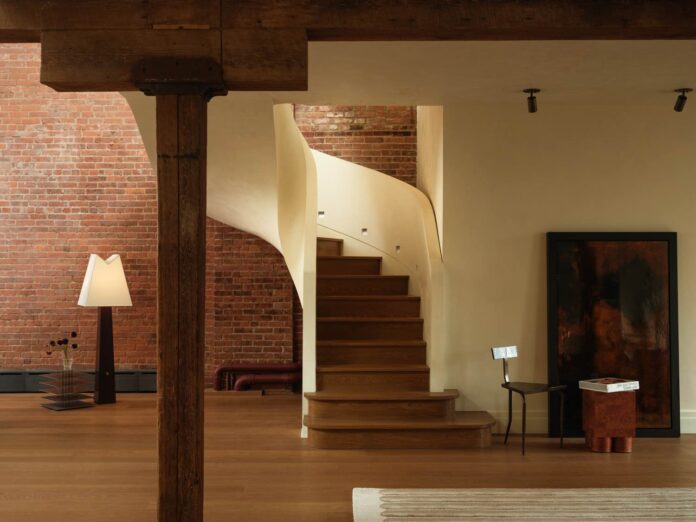
In New York’s Tribeca, an apartment within a historic red-brick building has been transformed into a home that balances industrial character with warmth, intimacy, and contemporary sophistication. Designed by Muqaddas Akkari Studio (MA Studio), the 4,200-square-foot residence occupies one of five apartments in a six-storey building dating to the 1880s, originally associated with a candy factory. Completed in April 2025, the renovation preserves the loft’s defining architectural qualities while giving them a more domestic and nuanced expression.

The apartment arrived with an extraordinary sense of scale. Eighteen-foot ceilings, original timber beams, exposed brick, an open-plan arrangement, and a large skylight established a strong industrial identity. Yet this grandeur also presented a challenge: the space could feel more like a dramatic loft than a comfortable home. MA Studio approached the renovation by preserving these original elements while introducing softness, warmth, and a stronger sense of rhythm.

The design is built around a dialogue between opposites. Raw materials meet refined finishes; generous open spaces are balanced by intimate rooms; and bright, daylight-filled areas give way to darker, more atmospheric settings. Rather than imposing a single mood across the apartment, the designers created a sequence of distinct experiences that remain connected through a coherent material and architectural language.

One of the most significant interventions is the new sculptural plaster staircase. The original narrow metal spiral staircase was awkwardly positioned and created a weak connection between the two levels. By reorienting the layout around a new staircase, MA Studio established a stronger architectural centre for the home. The plaster form now functions simultaneously as circulation, sculpture, and a visual anchor, connecting the two floors while reinforcing the sense of continuity throughout the apartment.

The importance of planning is evident throughout the project. Rather than dividing the loft into a collection of conventional rooms, the studio focused on how one space leads into another. The resulting sequence feels intuitive, allowing the apartment to retain its openness while introducing moments of compression and intimacy.

The kitchen and dining areas form one of the home’s brightest and most expansive zones. A skylight positioned above the large kitchen island brings daylight into the centre of the space, making the kitchen a natural focal point for daily life and entertaining. The openness of these areas reinforces the apartment’s generous proportions while keeping the atmosphere relaxed and welcoming.

Elsewhere, the mood becomes deliberately more intimate. The bar and powder room move toward deeper tones, richer finishes, and lower levels of light. These darker spaces provide a counterpoint to the brighter communal areas and become particularly atmospheric in the evening, reflecting the client’s interest in hosting and music.

This contrast between light and shadow gives the residence its rhythm. The apartment does not depend on one uniform aesthetic; instead, its character emerges through a series of shifts in scale, light, material, and atmosphere.

The daily living room offers another carefully calibrated moment. Located beside arched windows overlooking the neighbourhood, it was designed to feel intimate despite the overall scale of the loft. An existing brick wall was covered with light plaster, visually relating it to the new staircase and softening the industrial character of the room. At the same time, the treatment places greater emphasis on the windows and the views beyond.

The private areas upstairs adopt a quieter character. Each bathroom was developed as an individual experience through different combinations of materials, lighting, and custom vanities. In the master bathroom, handcrafted tiles and a freestanding bath create a calm, tactile setting, while the larger guest bathroom incorporates a hot-stone sauna, introducing a discreet wellness element into the home.

Furniture and objects add another layer of individuality. MA Studio collaborated with New York design gallery Love House for the staging and worked with Known Work, whose pieces appear throughout the residence. The selection introduces sculptural forms and crafted details without overwhelming the architecture, allowing individual objects to establish moments of personality within the larger composition.

The strength of Tribeca Residence lies in its restraint. The designers did not attempt to conceal the building’s industrial origins, nor did they turn those historic elements into decoration. Brick, timber, height, and openness remain fundamental to the experience, while new interventions bring a softer and more contemporary layer to the home.

The result is an interior that feels both grounded and sophisticated. Its character comes from the tension between old and new, monumental scale and domestic comfort, raw surfaces and carefully crafted details. The architecture provides the memory; the interior gives it a new rhythm.

Tribeca Residence demonstrates that a historic loft does not need to choose between preserving its identity and adapting to contemporary life. Through careful planning, tactile materials, sculptural interventions, and a sophisticated play of light and atmosphere, MA Studio has created a home that respects its past while feeling unmistakably present.

It is a residence shaped not by excess, but by balance where industrial architecture becomes intimate, and where the grandeur of a historic New York loft is softened into a place made for living.

Muqaddas Akkari Studio (MA Studio) is a design practice led by Selma Akkari and Rawan Muqaddas, longtime friends and former architecture classmates. Based in London, the studio works across interiors, architecture, furniture, and objects, developing a distinct design vocabulary for each project.

The practice explores the relationship between minimalism and warmth, combining contemporary design with an appreciation for traditional methods of making. Its approach places particular emphasis on construction, detail, materiality, and craftsmanship, often using unconventional or playful materials to create spaces with a strong sense of identity.

MA Studio’s work has been recognised by AD100 Middle East, and its portfolio spans residential and hospitality interiors as well as furniture and bespoke objects.

For Tribeca Residence, MA Studio worked with Sarah Jacoby Architect, who served as Architect of Record. The MA Studio design team comprised Selma Akkari, Rawan Muqaddas, and Fajer Al Qattan.

Founders: Selma Akkari & Rawan Muqaddas
Studio: Muqaddas Akkari Studio (MA Studio)
Based: London, United Kingdom
Fields: Interior Design, Architecture, Furniture & Objects
Project: Tribeca Residence, New York
Interior Design: MA Studio
Architect of Record: Sarah Jacoby Architect
Photography: Joe Kramm


Balqis Residence: A Contemporary Expression of Dubai Luxury

0

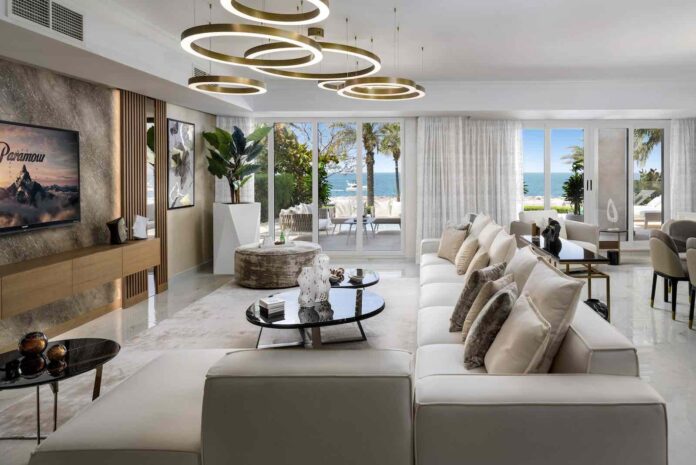
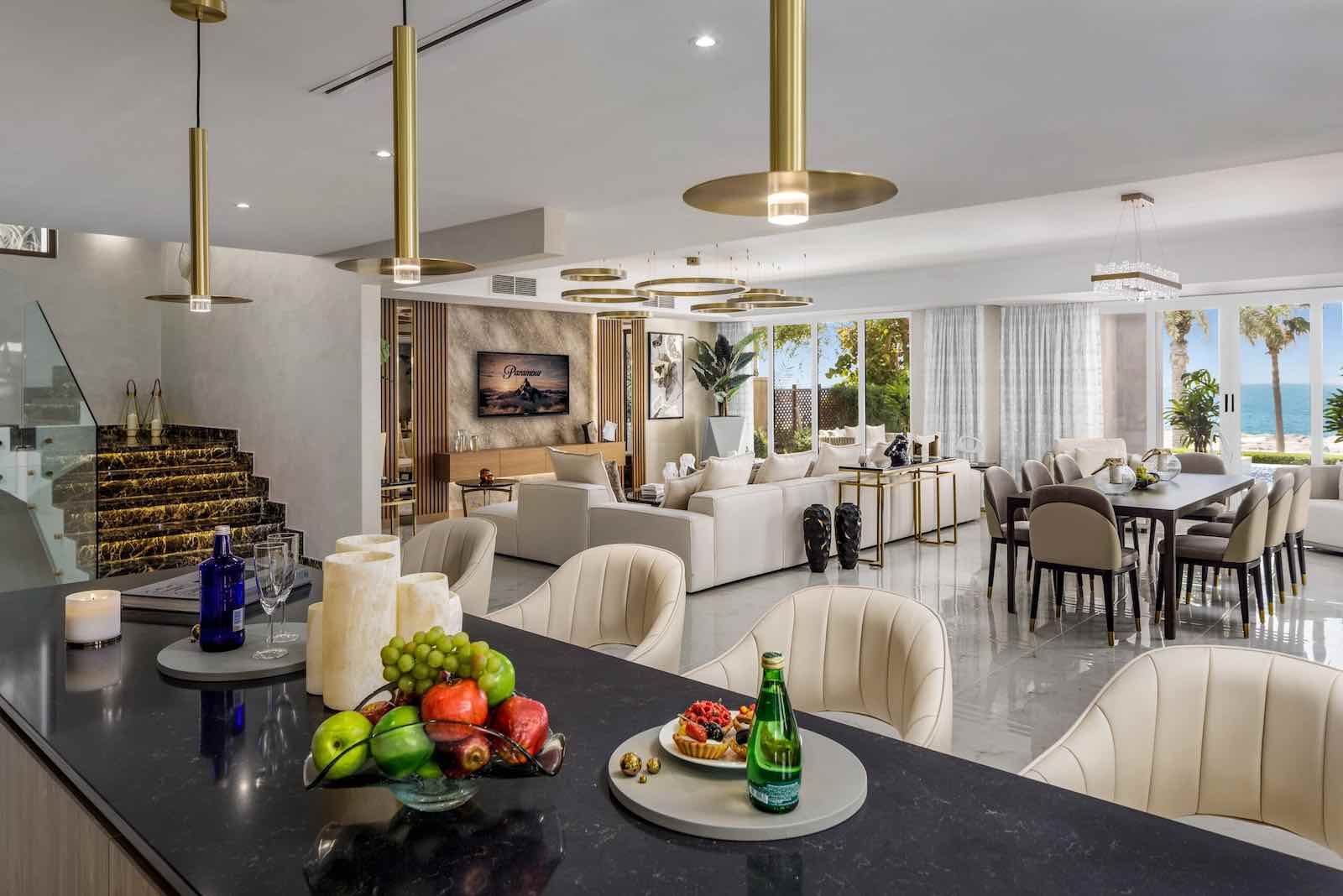
On the crescent of Palm Jumeirah, where Dubai’s skyline meets the Arabian Gulf, Balqis Residence offers a sophisticated interpretation of contemporary waterfront living. Designed by Zen Interiors, the 686-square-metre private residence extends across four stories and four bedrooms, bringing together expansive proportions, bespoke furnishings, rich materials, and a distinctly glamorous atmosphere.
The interior is conceived as an immersive experience rather than a collection of individual rooms. From the moment of arrival, carefully composed architectural details establish a sense of scale and grandeur, while a restrained but luxurious palette creates continuity throughout the home.
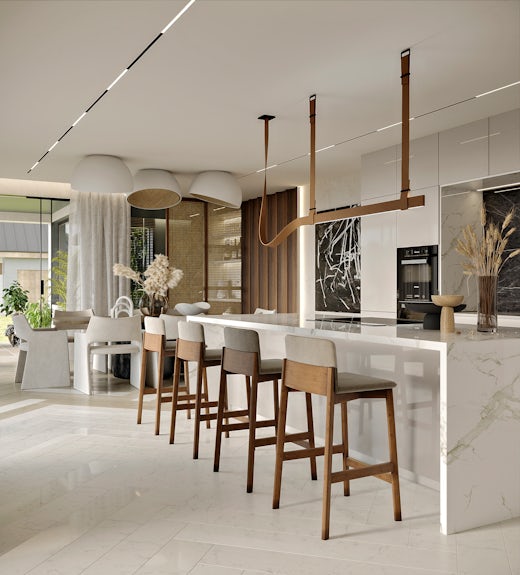
The design balances contemporary elegance with an appreciation for texture and ornament. Warm tones, metallic accents, reflective surfaces, and richly upholstered furnishings introduce depth to the interiors, while carefully selected decorative elements give each space its own identity. The result is luxurious without becoming visually overwhelming.
At the heart of the residence are generous living and dining spaces designed for both everyday comfort and entertaining. Their open relationship allows the interiors to feel expansive, while bespoke furniture pieces help define individual areas within the larger composition. The result is a home that can accommodate intimate family life as easily as larger social occasions.
The relationship between furniture and architecture is particularly important. Rather than treating furnishings as secondary elements, Zen Interiors uses them to establish the character of each room. Sculptural seating, statement tables, decorative lighting, and tailored accessories are brought together to create interiors with a strong sense of personality.

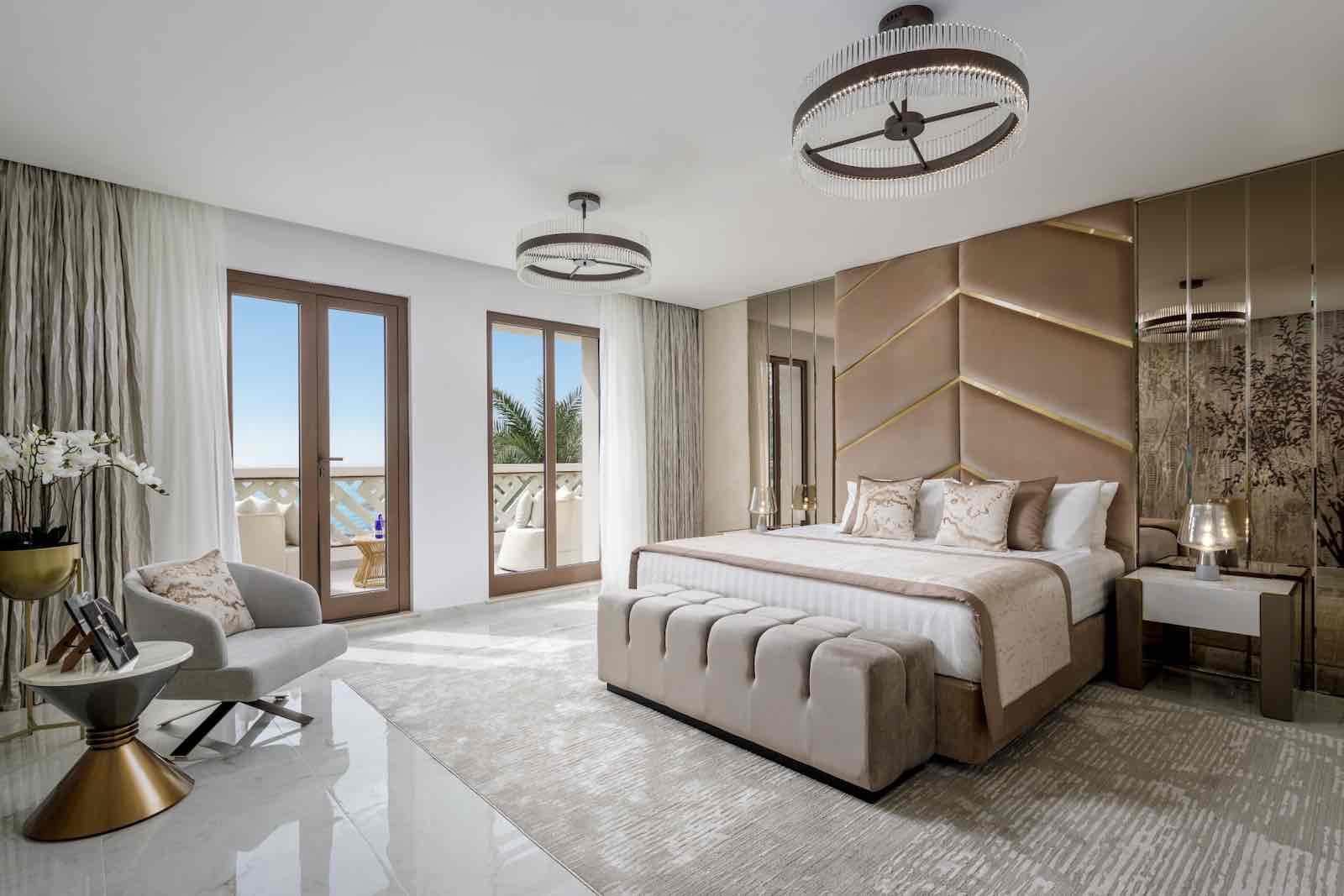
In the principal bedroom, luxury becomes more intimate. Warm colours and bronze tones create a rich, enveloping atmosphere, while floor-to-ceiling mirrors expand the visual proportions of the room. A dramatic bronze-toned headboard establishes a strong focal point, complemented by coordinated bedside tables, textiles, lighting, and a generously scaled rug.
Elsewhere, the design continues to explore the dialogue between softness and glamour. Neutral surfaces provide a calm foundation for stronger metallic and decorative accents, while custom furnishings and carefully considered finishes introduce individuality. This layering of materials gives the residence a sense of depth that develops gradually as one moves through the house.

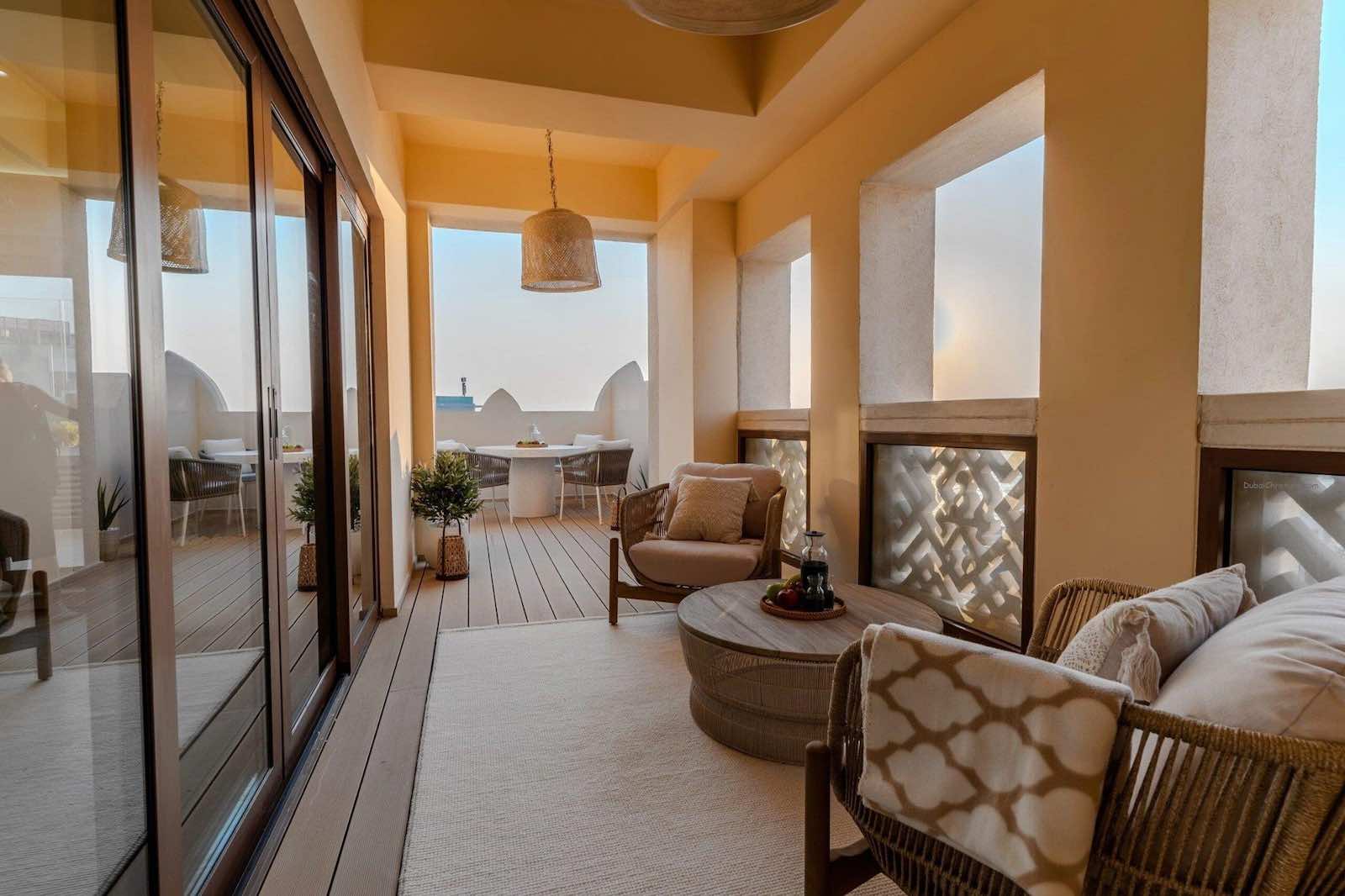
Outdoor living is equally important to the experience of Balqis Residence. Spacious balconies and the property’s waterfront position extend the living environment beyond the interior, allowing the architecture to engage with the sea and Palm Jumeirah landscape. Zen Interiors’ approach brings this connection into the furnishing scheme, creating continuity between indoor comfort and outdoor leisure.

What distinguishes the project is its attention to the experience of luxury. Rather than relying on a single dramatic gesture, the design builds its atmosphere through accumulation: the sheen of metal, the softness of textiles, the scale of bespoke furniture, the reflection of mirrors, and the glow of decorative lighting.

This is particularly evident in the way each room maintains its own character while remaining part of a larger visual narrative. Spaces are individual yet connected, allowing the residence to feel curated rather than repetitive.
There is also a strong sense of craftsmanship throughout the project. Bespoke furnishings and customised finishes provide a level of specificity that distinguishes the residence from a standard luxury interior. Every element contributes to the sense that the home has been designed around a particular lifestyle rather than an abstract aesthetic.

Balqis Residence ultimately captures a particular expression of contemporary Dubai: confident, generous, glamorous, and deeply attuned to its setting. Yet beneath the visual richness is a carefully controlled design language, one that balances drama with comfort and sophistication with livability.
The result is a residence where luxury is expressed through detail rather than excess a home shaped by material richness, bespoke design, and the extraordinary waterfront setting of Palm Jumeirah.

Zen Interiors is a Dubai-based residential interior design studio founded by Merete and Patrick van IJzendoorn in 2003. Over more than two decades, the studio has developed a reputation for creating highly personalised residences that combine contemporary elegance, functionality, craftsmanship, and bespoke detailing.

The studio focuses exclusively on residential interiors, working across villas, apartments, and penthouses. Its approach brings together concept development, space planning, bespoke furniture, material selection, styling, renovation, and turnkey execution, allowing each project to be developed as a complete and cohesive interior environment.

For Zen Interiors, the home is ultimately an expression of the people who live in it. The studio places particular emphasis on understanding each client’s lifestyle and aspirations, translating them into spaces that are both visually refined and highly personal. Its portfolio reflects a design philosophy centred on timeless aesthetics, quality craftsmanship, and meticulous attention to detail.

Founders: Merete and Patrick van IJzendoorn
Studio: Zen Interiors
Based in: Dubai, UAE
Specialisation: Luxury residential interior design, bespoke furniture, renovation and turnkey interiors
Project: Balqis Residence, Palm Jumeirah, Dubai


Jewel Changi Airport: Where Nature Becomes Architecture

0

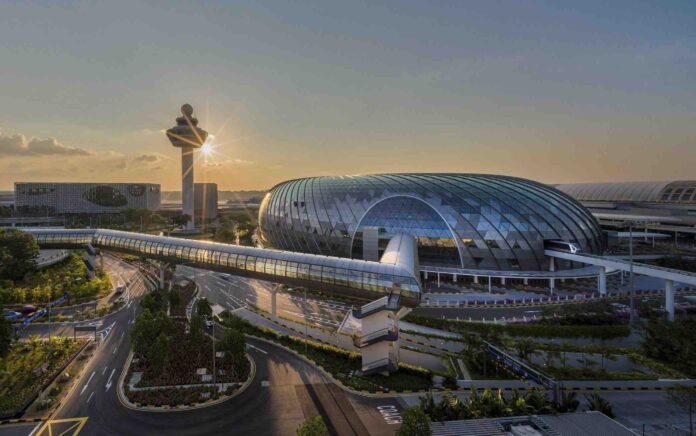
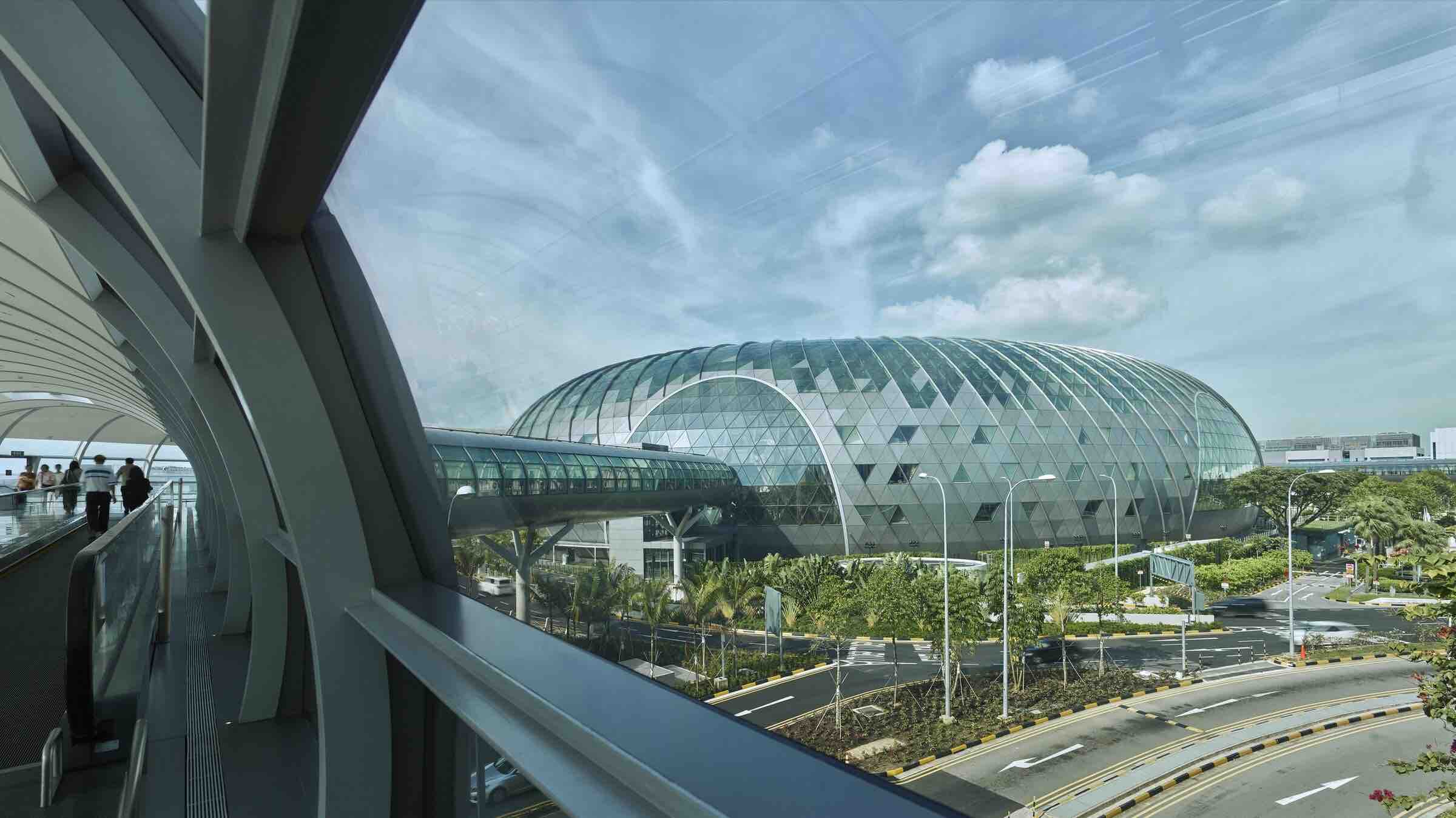
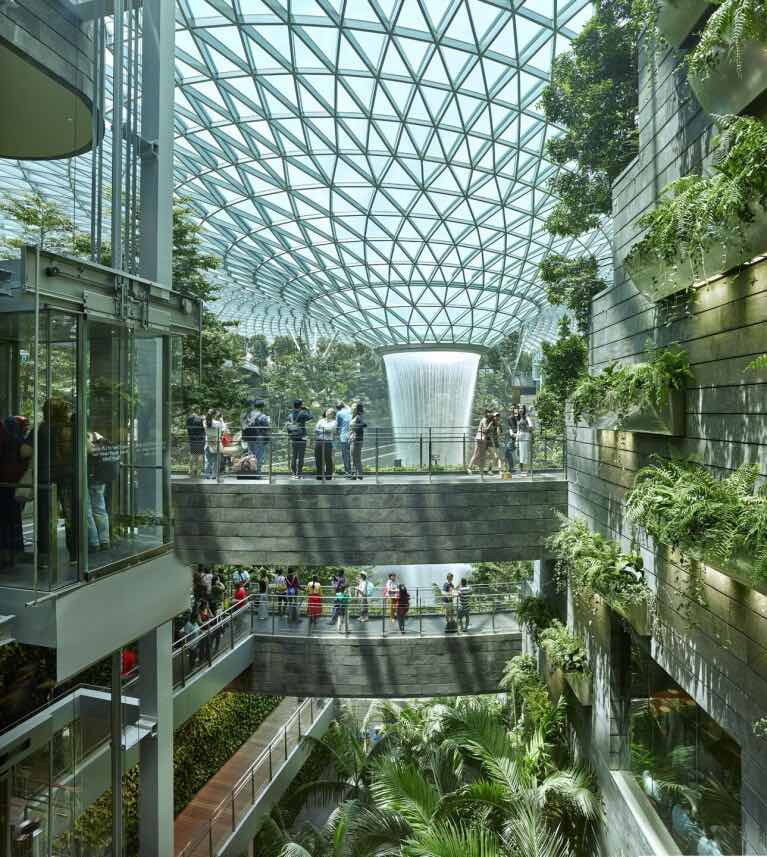
At Singapore’s Changi Airport, the idea of a terminal has been transformed into something far more ambitious. Jewel Changi Airport, designed by Safdie Architects in collaboration with a team of international specialists, brings together architecture, landscape, retail, hospitality, and public life beneath a spectacular glass-and-steel dome. Completed in 2019, the 135,700-square-metre development reimagines the airport not simply as a place of transit, but as a destination in its own right.
The project begins with an extraordinary contradiction: an intensely urban commercial environment placed at the centre of a tropical garden. Rather than separating nature from the marketplace, Jewel allows the two to coexist, creating an experience that is simultaneously civic, commercial, and immersive.


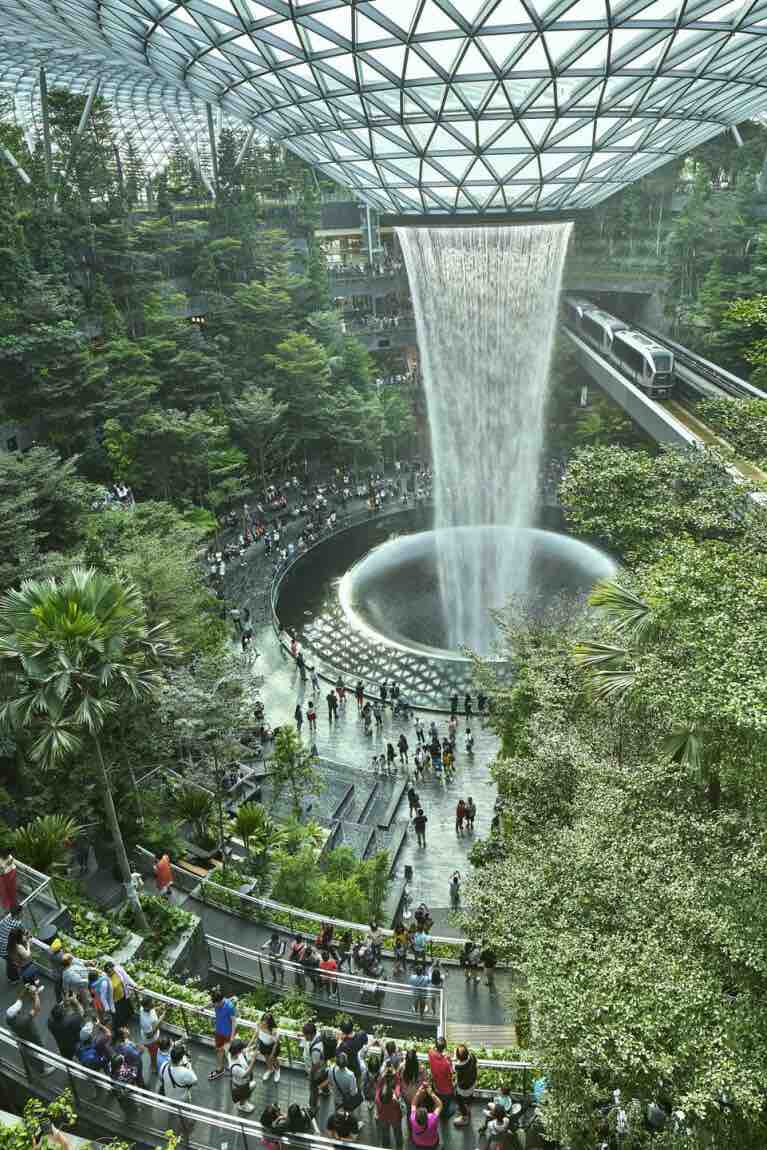
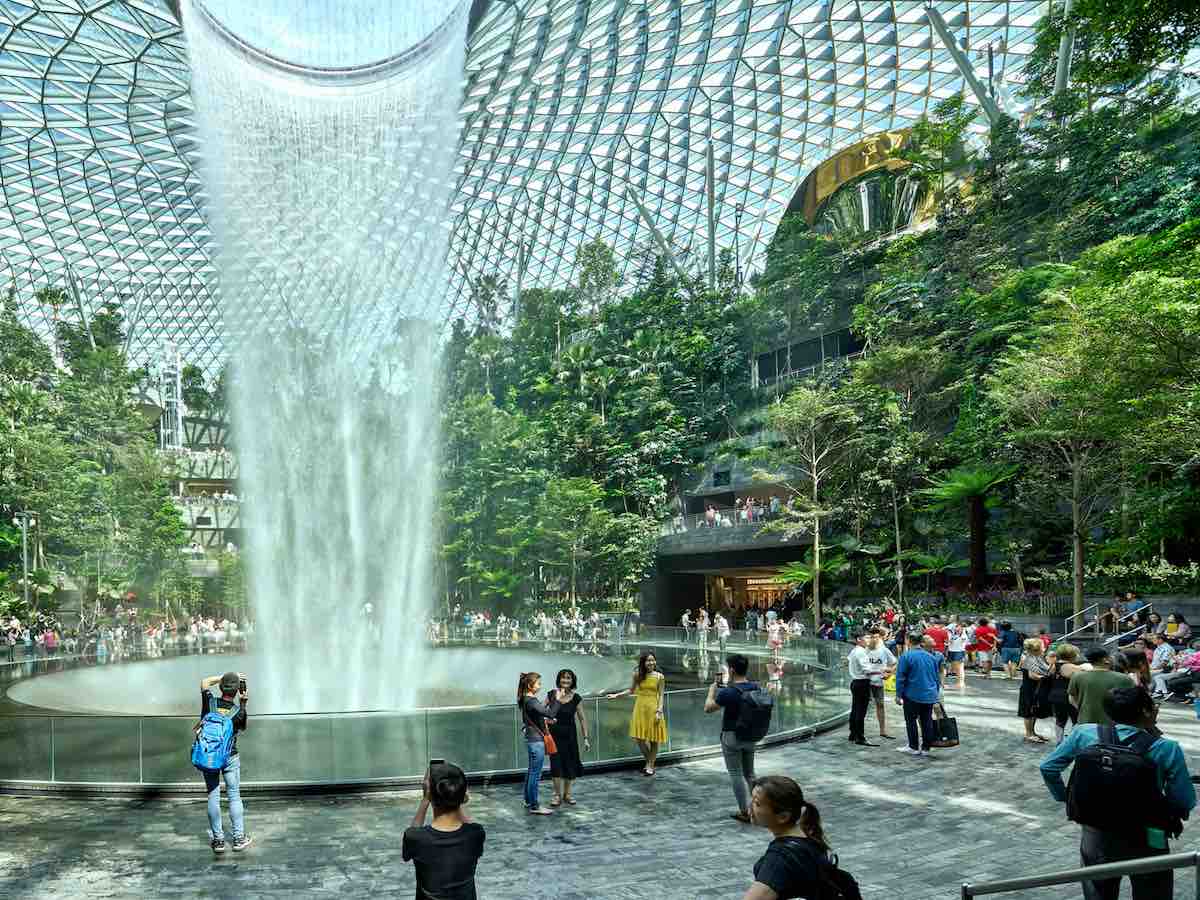
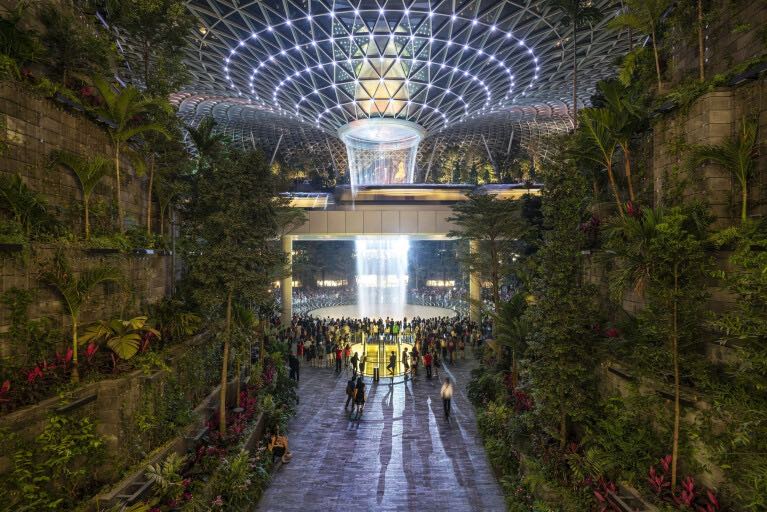
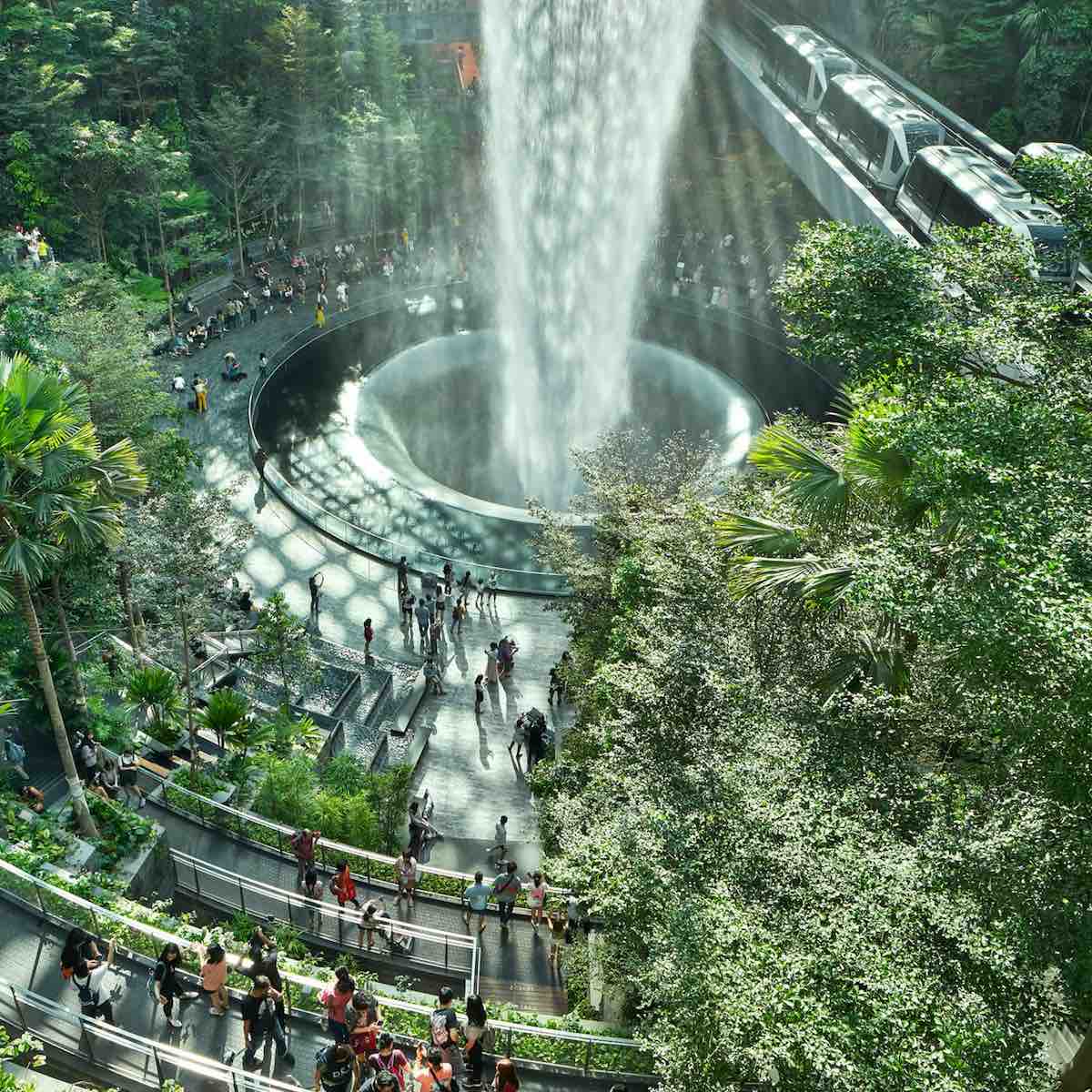
At the centre of this composition is the Rain Vortex, a 40-metre-high indoor waterfall descending through an oculus at the heart of the building. More than an architectural spectacle, the waterfall establishes the project’s emotional centre. Water, vegetation, daylight, and movement converge in a single space, creating an atmosphere that is remarkably distant from the conventional image of an airport.


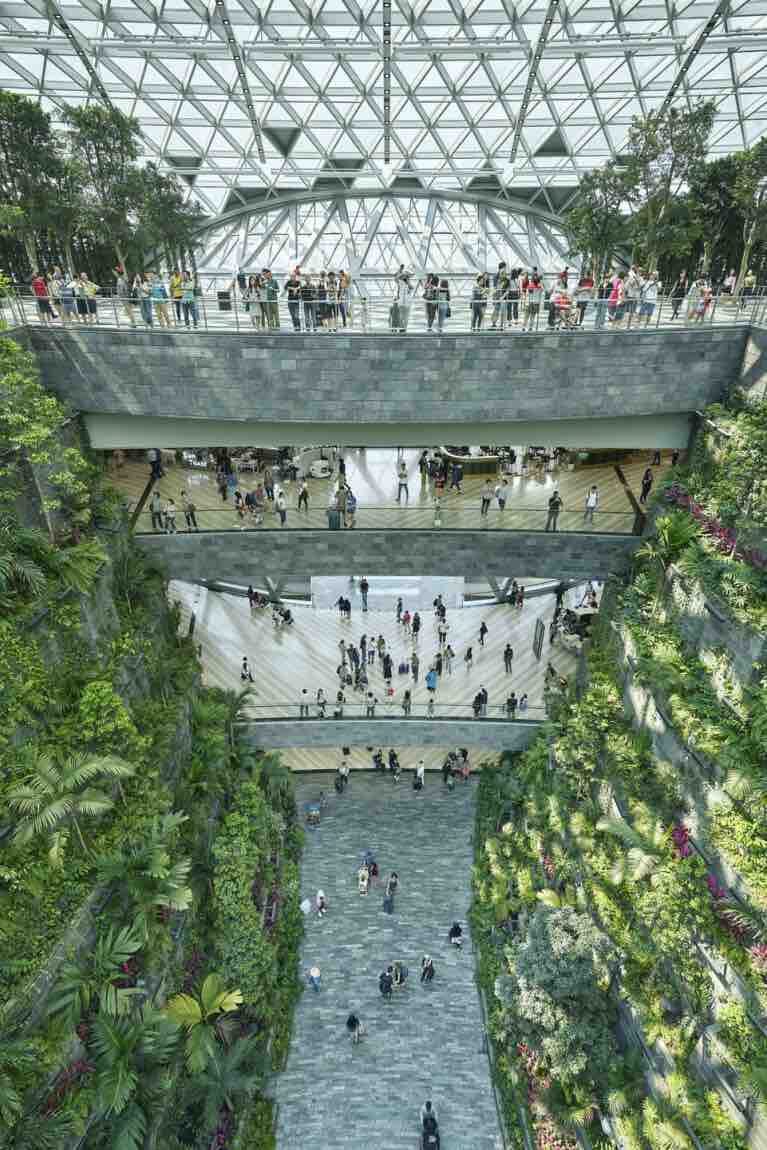
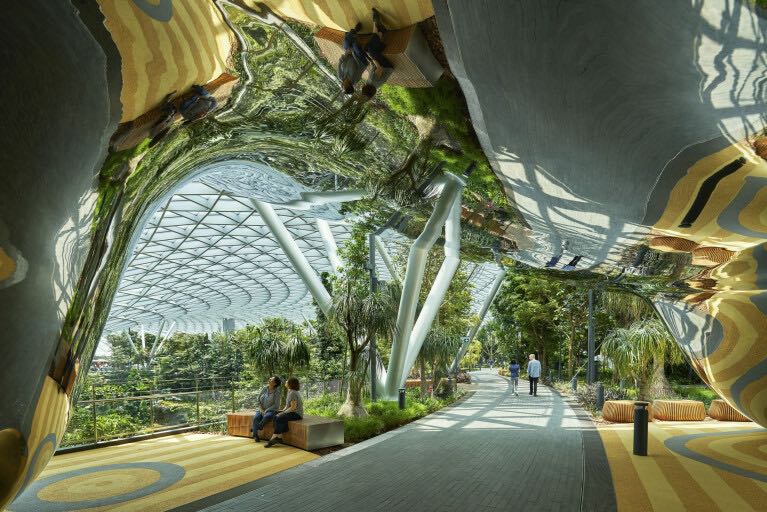
Surrounding the waterfall is the Forest Valley, a multi-level tropical landscape of walking trails, trees, palms, shrubs, and gardens. The landscape rises through the interior like a living architectural element, occupying the central void and allowing visitors to experience nature from different elevations. Above it, the Canopy Park extends the experience with gardens, pathways, play spaces, and attractions integrated into the upper levels.
The architecture itself is equally distinctive. Jewel takes its geometry from a torus a flattened, elliptical form that responds to the complex circulation requirements of an airport while producing a powerful civic interior. The continuous glass façade and steel structure form a luminous enclosure around the garden, while the central oculus draws the eye and establishes a strong vertical connection between the roof and the landscape below.
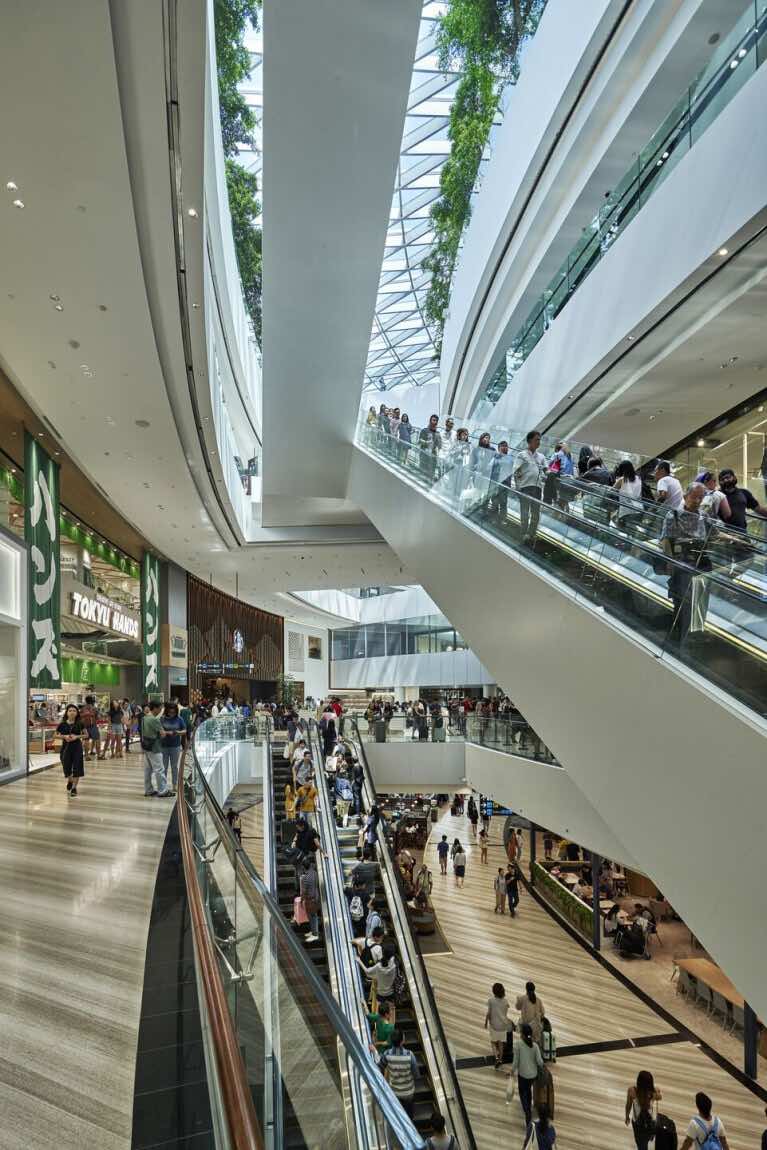
For an interiors audience, however, Jewel is perhaps most compelling in the way it dissolves the conventional boundaries between interior and exterior. The building does not simply contain a garden; the garden becomes the organising principle of the interior experience. Retail streets, restaurants, airport facilities, leisure attractions, and hotel functions are arranged around this central landscape, allowing visitors to move continuously between commercial and natural environments.


Material and light play an equally important role. The vast glazed enclosure allows daylight to penetrate deep into the building while the sophisticated façade system helps control heat gain and create conditions suitable for the extensive planting. At night, the relationship is reversed: the illuminated interior garden becomes visible through the glass, turning Jewel into a glowing presence within the airport landscape.


The project also demonstrates how environmental systems can become part of the architectural experience. Rainwater collected through the oculus contributes to the waterfall system, while the water and planting help support cooling and airflow within the vast enclosed environment. The result is an architecture in which infrastructure is not hidden away, but incorporated into the experience of the building itself.


Beyond its visual impact, Jewel proposes a different understanding of public space. It is accessible not only to passengers but also to Singapore’s residents, bringing shopping, dining, entertainment, gardens, and community activities together in a place that functions almost like an indoor urban park. The project therefore extends the role of the airport from transportation infrastructure into a destination for social and cultural life.


This sense of openness is central to its success. The architecture does not ask visitors to choose between nature and commerce, movement and pause, or infrastructure and leisure. Instead, these seemingly different experiences overlap. A traveller can walk through a tropical forest, pause beside a waterfall, discover a restaurant, continue through a retail environment, and return to the airport circulation system—all within the same architectural landscape.


Jewel Changi Airport ultimately represents a broader shift in contemporary design: the creation of spaces where infrastructure can become memorable, generous, and human. Its architecture is spectacular, but its lasting impression comes from something more fundamental the decision to place nature at the centre of a building traditionally associated with speed, efficiency, and transition.


Here, the journey itself becomes the destination. Beneath a vast glass canopy, architecture frames a living landscape, and an airport becomes a place to linger, explore, and experience.

Safdie Architects is an international architecture and urban design practice founded by architect Moshe Safdie in 1964. With studios in Boston, Jerusalem, Toronto, and Singapore, the practice works across architecture, urbanism, and design, with projects spanning cultural, civic, residential, commercial, and mixed-use environments.
The studio is recognised for an approach that combines ambitious architectural concepts with close attention to public life, landscape, climate, and the experience of people within buildings. Its work frequently explores how architecture can create meaningful connections between the individual, the city, and the natural environment.
For Jewel Changi Airport, Safdie Architects developed a new model for the airport as a public destination, bringing together a marketplace and an expansive indoor landscape beneath a continuous glass-and-steel structure. The project reflects the practice’s broader interest in creating architecture that is socially engaging, environmentally responsive, and memorable in everyday experience.

Founder: Moshe Safdie
Practice: Safdie Architects
Project: Jewel Changi Airport
Location: Singapore
Completed: 2019

Dune House: In Dialogue with the Landscape

0

Set beside a picturesque lake in the suburbs of Manchester, Dune House is an exercise in quiet sophistication. Designed by Sulina Design and completed in 2021, the 126-square-metre residence explores the meeting point between contemporary minimalism, Japandi restraint, and the natural character of its surroundings.

From the outset, the landscape became an essential part of the interior concept. Rather than treating the lake as a view beyond the architecture, the design allows it to influence the atmosphere of the home. Natural light, muted colours, tactile materials, and carefully framed perspectives create a continuous visual relationship between the interior and the landscape outside.

The clients envisioned a home that would combine the simplicity of Japandi design with the clarity of minimalism, while remaining warm and inviting. Sulina Design responded with a restrained architectural language enriched through texture and materiality. The interiors are not defined by abundance, but by the careful selection and composition of a limited number of elements.

A palette of soft sandy tones, earthy neutrals, and deeper natural shades establishes a calm foundation. These colours subtly echo the landscape around the property, creating a sense of continuity between the home and its setting. The result is an interior that feels grounded and serene, yet far from austere.


Materiality provides much of the home’s character. Decorative plaster introduces subtle irregularity and depth to the walls, while travertine brings the natural variation of stone into the composition. Rough metal adds a darker, more industrial note, balanced by the warmth and softness of silky timber. Together, these materials create a tactile environment in which simplicity is experienced through texture rather than decoration.

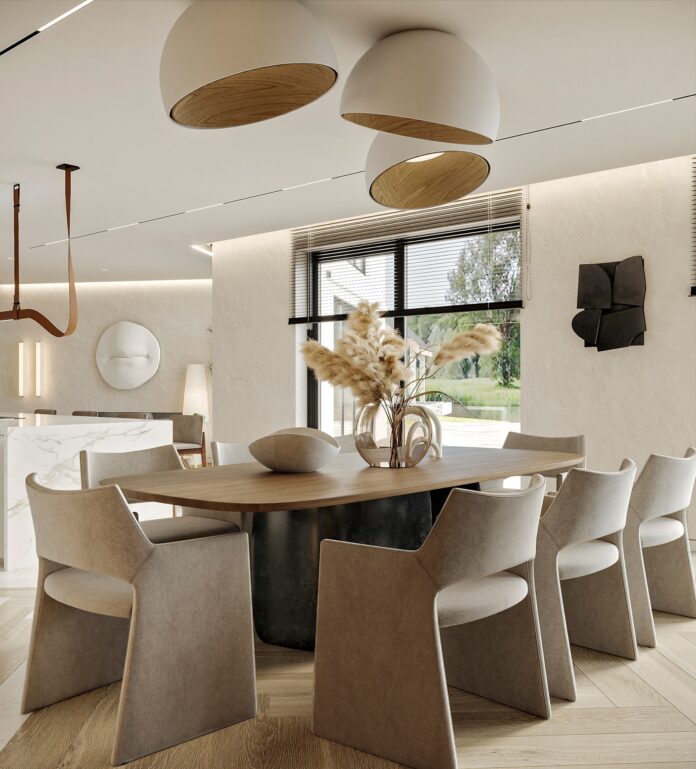
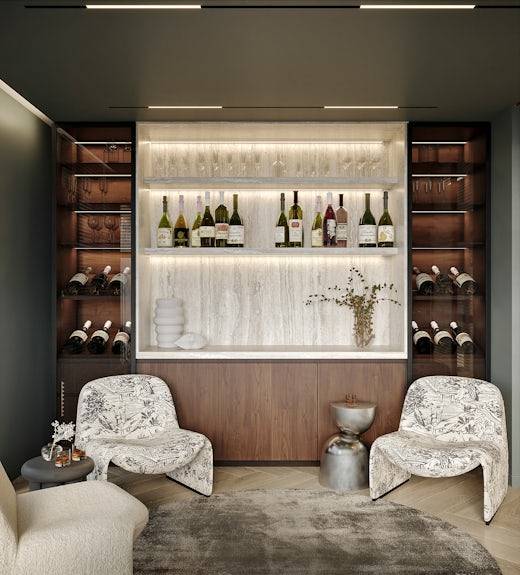
The social spaces are designed around the rituals of everyday life and entertaining. The kitchen and dining area form a natural centre of the home, while the lounge provides a quieter space from which to experience the surrounding landscape. A dedicated bar introduces a more intimate setting for gatherings, reflecting the owners’ enjoyment of entertaining and spending time with friends.

Art is another defining layer of the residence. As passionate collectors, the owners wanted their collection to become an integral part of the interior. The architecture therefore provides a restrained backdrop, allowing artworks and sculptural pieces to establish moments of colour, personality, and visual tension. Furniture, art, stone, timber, and textured surfaces are carefully composed so that no single element overwhelms the whole.

Despite its relatively compact footprint, the house accommodates an impressive range of functions, including a kitchen-dining room, lounge, cinema, bar, bathroom, wardrobe, and circulation spaces. Each area is carefully considered, yet the interiors retain a strong sense of visual continuity. The spaces flow naturally into one another, allowing the material palette and tonal scheme to establish cohesion throughout the home.

What makes Dune House particularly compelling is the balance between restraint and richness. The architecture is minimal, but the experience is not. Light moves across textured plaster; stone introduces variation; timber brings warmth; metal adds contrast; and artworks provide moments of individuality. The home demonstrates how a limited palette can produce an interior of considerable depth.

There is also a sense of quiet luxury in the way the project avoids unnecessary gestures. Nothing competes with the landscape, and nothing appears to have been selected simply for effect. Instead, every material and object contributes to an atmosphere of calm, comfort, and permanence.

Ultimately, Dune House is a study in living with less, but experiencing more. Its strength lies in the relationship between natural surroundings and carefully composed interiors, between minimal forms and tactile materials, and between a refined design language and the personal character of its owners.

Here, luxury is not expressed through excess. It is found in natural light, honest materials, art, proportion, and the ability of a home to make its surroundings part of everyday life.


Project: Dune House / Poynton Lake
Interior Design: Sulina Design
Location: Manchester, England
Area: 126 m²
Year: 2021
Status: Implemented
Programme: Kitchen-dining room, lounge, hallway, bathroom, wardrobe, cinema and bar.