
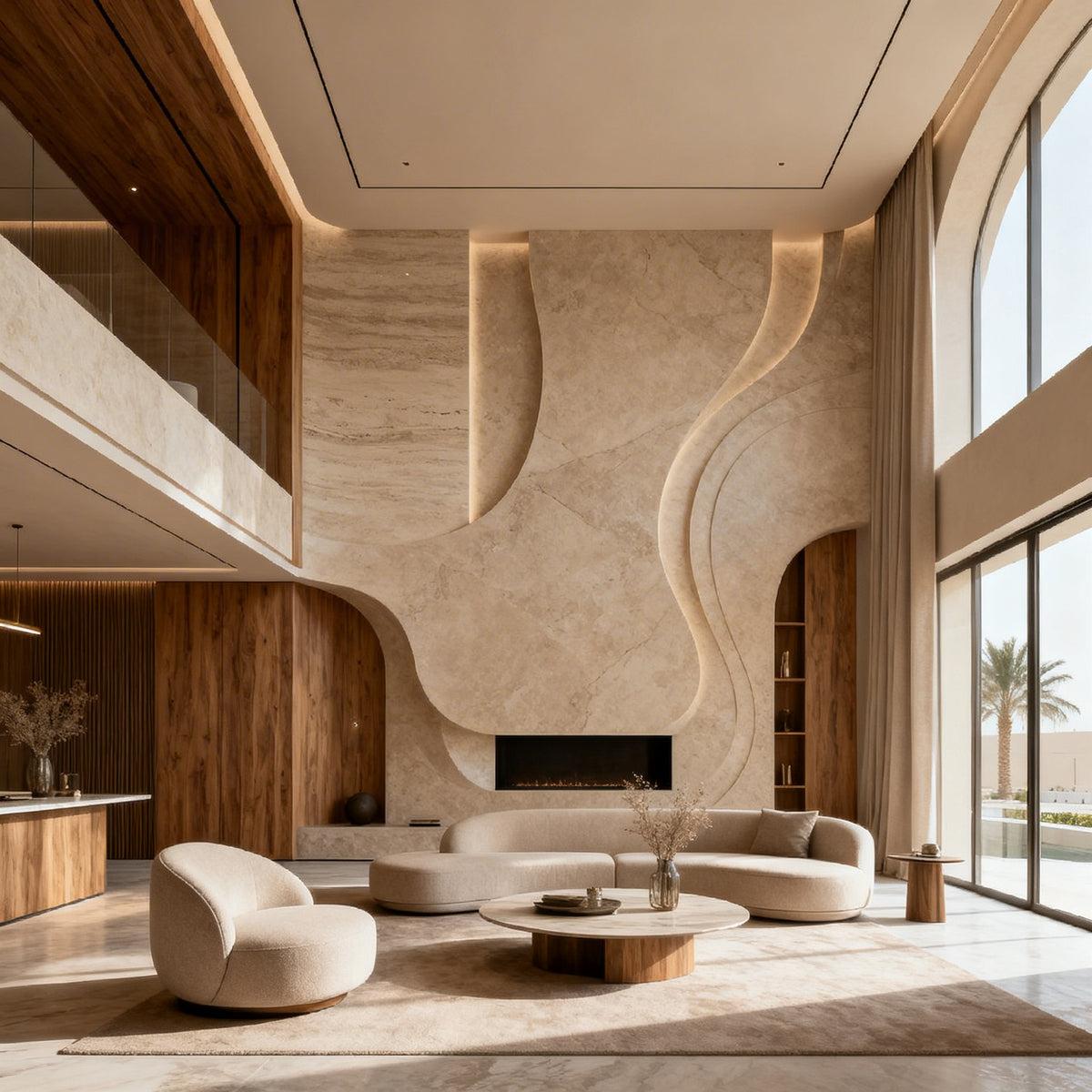
Natural materials, expressive details and a renewed appreciation for craftsmanship are changing the way contemporary interiors are designed.
Luxury interior design is entering a more personal era. In 2026, the emphasis is shifting from immaculate spaces designed primarily to impress towards interiors that offer character, comfort and a lasting connection to the people who inhabit them.
Perfectly coordinated furnishings and uniform finishes are giving way to material contrast, individual objects and carefully composed environments. The result is an approach to luxury that feels less predictable and more architectural.
For Archinteriors Magazine, five developments stand out in this changing design landscape.
1. Natural Materials Take Centre Stage
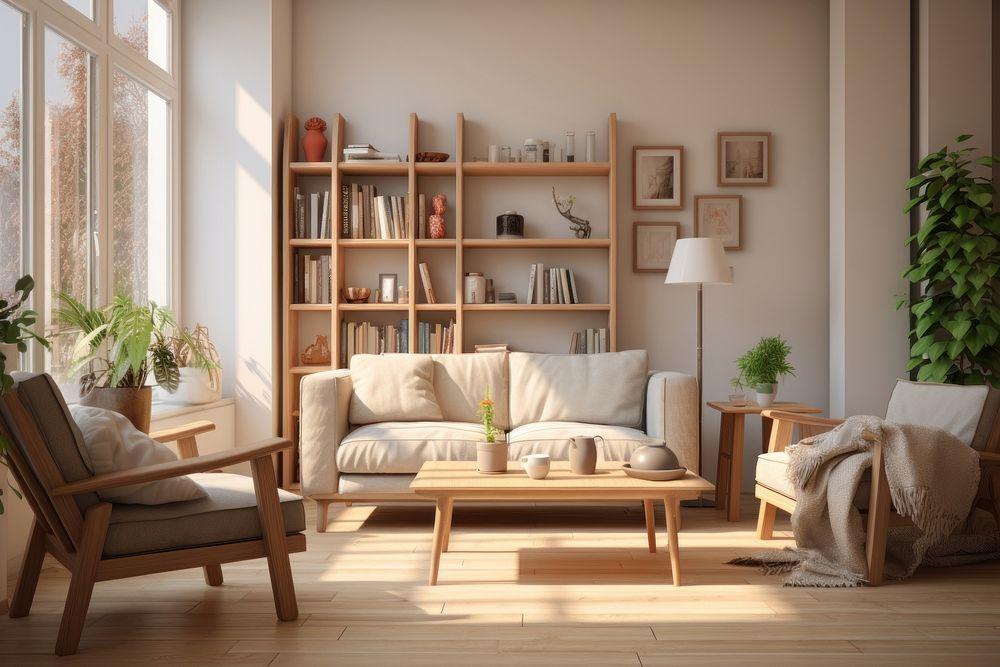
Photo: Rachel Claire / Pexels
Stone, wood, clay and textured surfaces are becoming defining elements of contemporary interiors.
Travertine, limestone, richly grained timber and softly textured plaster bring visual depth without requiring elaborate decoration. Their appeal lies in subtle variation: each surface responds differently to light, revealing details that manufactured uniformity often conceals.
In Dubai and across the UAE, these materials are particularly effective when balanced with restrained architectural detailing. A limestone wall, for example, can establish the atmosphere of an entire room, while walnut cabinetry introduces warmth and contrast.
The important distinction is between decorative materiality and purposeful material selection. A beautiful surface must also suit the room’s maintenance requirements, climate and everyday use.
2. Minimalism Becomes More Personal
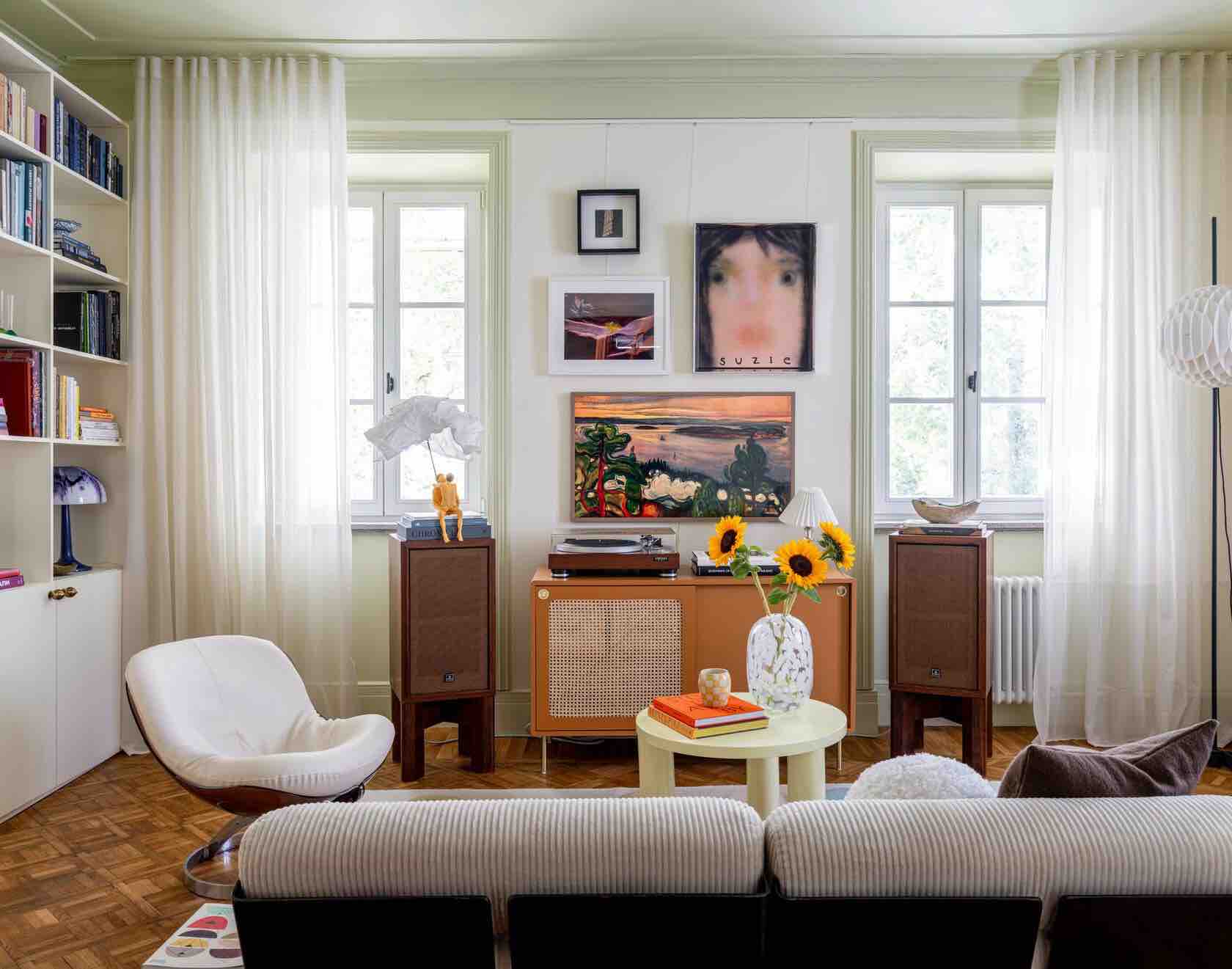
Minimalism is not disappearing. It is becoming less rigid.
Instead of completely bare interiors, designers are creating rooms where fewer elements are chosen with greater intention. Soft upholstery, handcrafted ceramics, framed artwork and distinctive furniture provide a sense of individuality without introducing unnecessary visual clutter.
This evolution allows architecture and decoration to work together. A sculptural armchair can become a room’s focal point, while a carefully selected artwork creates contrast against an otherwise quiet backdrop.
The objective is no longer emptiness, but balance.
3. Curved Architecture Softens Contemporary Spaces
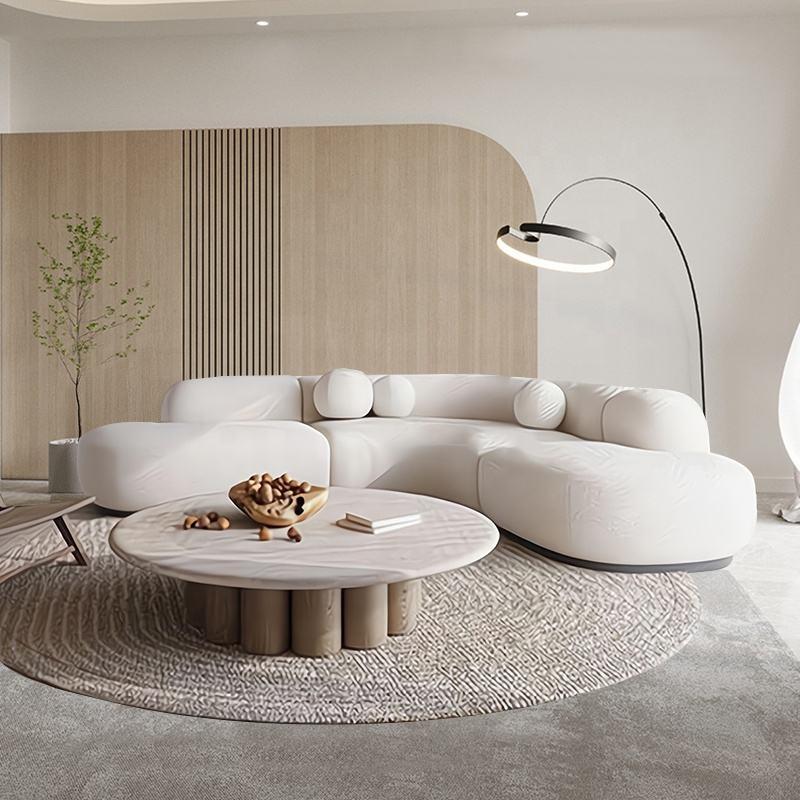
Photo: Eric Nixon / Pexels
The influence of curved design now extends beyond sofas and occasional chairs.
Rounded kitchen islands, arched openings, curved partitions and organically shaped furniture introduce gentler movement into architectural spaces traditionally dominated by straight lines.
These forms can also improve the experience of moving through a room, particularly in open-plan living areas.
Used selectively, curves create a striking architectural identity. Repeating them everywhere, however, risks turning a sophisticated design feature into a predictable motif.
4. Craftsmanship Creates Distinction
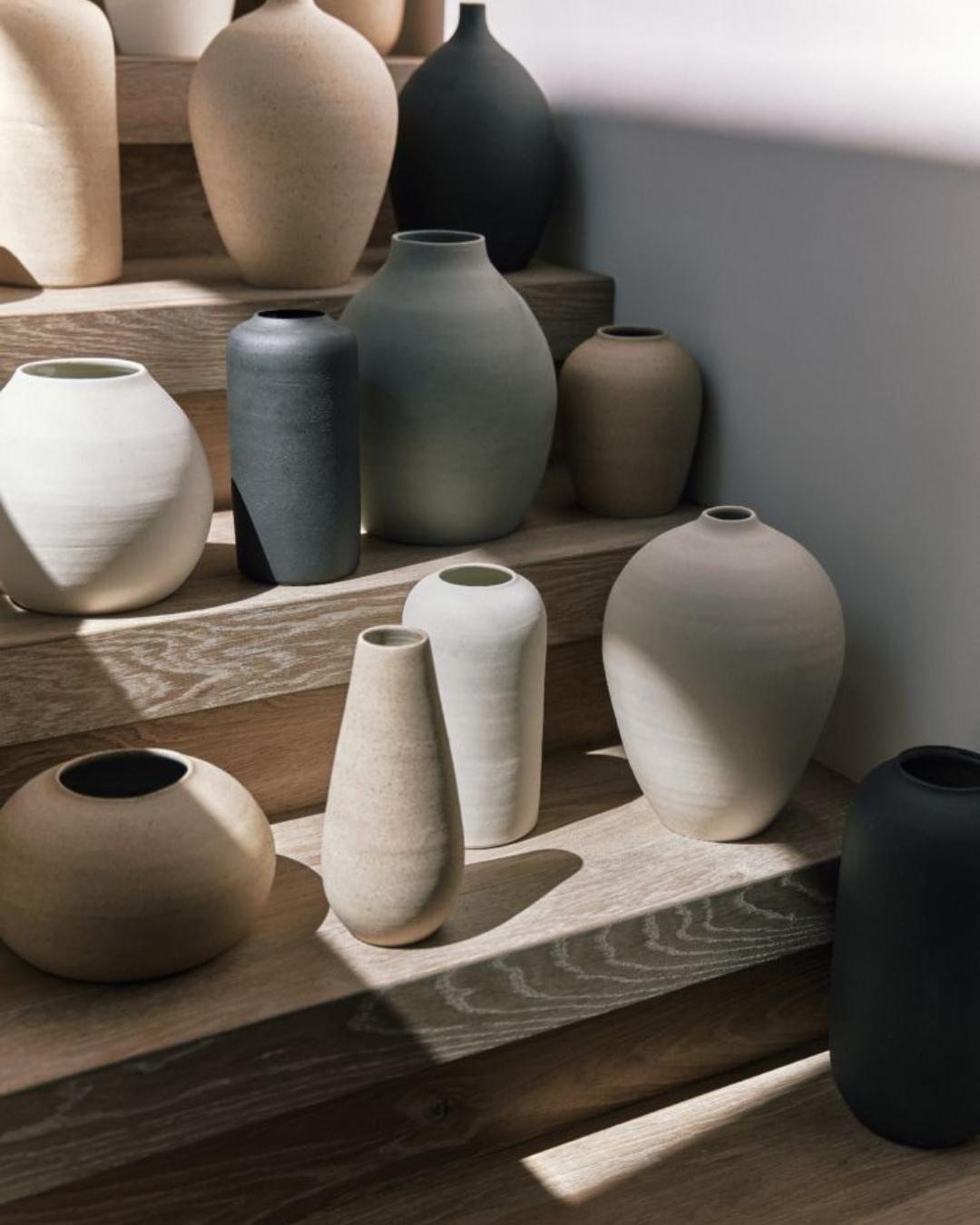
Photo: Zumrad Normatova / Pexels, Dubai
As mass-produced interiors become increasingly familiar, handmade details offer something more individual.
Artisan-made ceramics, carved timber, woven textiles, distinctive joinery and carefully restored furniture give spaces a connection to the process of making.
This approach also encourages greater appreciation for regional craftsmanship. In the Middle East, contemporary interiors can draw inspiration from local material traditions and artisanal techniques without relying on literal historical imitation.
A single well-crafted piece can contribute more character than an entire collection of decorative accessories.
5. Lighting Becomes Part of the Architecture
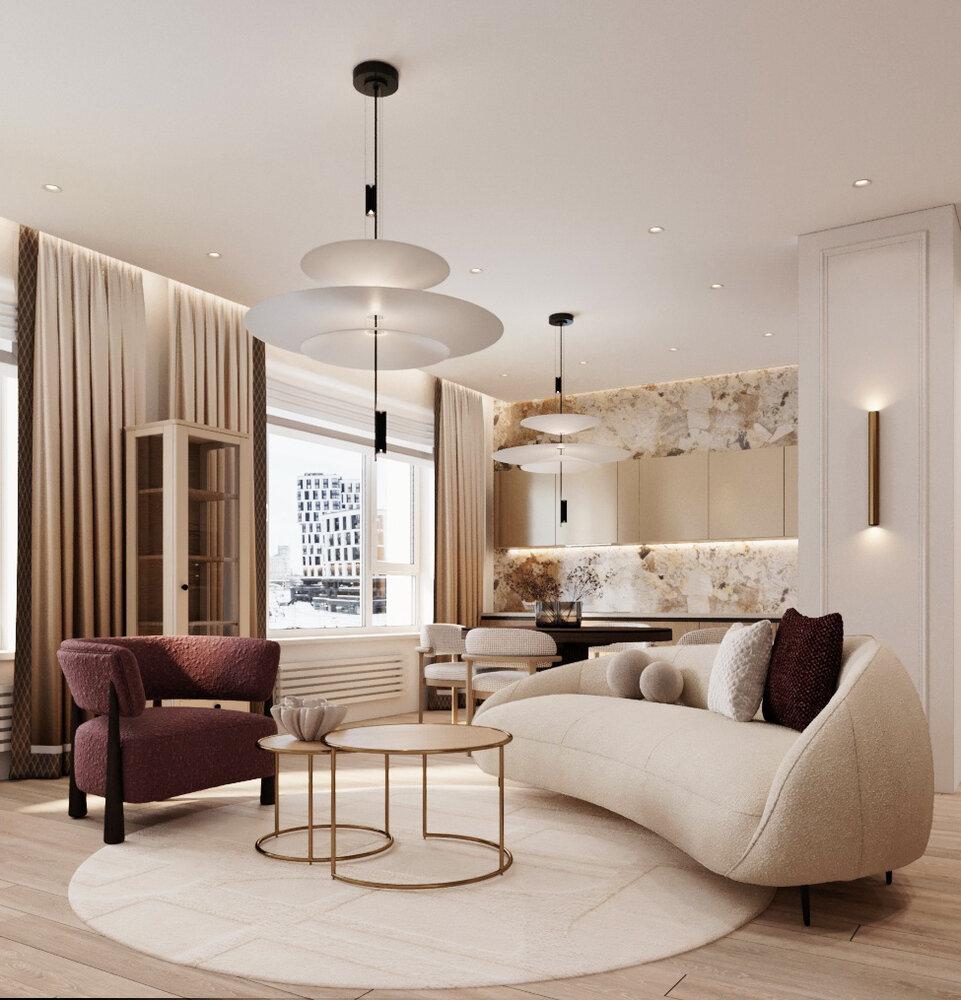
Photo: Beyza Kılıçdere / Pexels
Contemporary lighting design is moving beyond the traditional combination of ceiling spots and statement chandeliers.
Concealed architectural lighting, wall illumination, decorative fixtures and carefully positioned task lighting are being combined to create depth and flexibility.
Rather than illuminating every surface equally, a considered lighting plan establishes hierarchy. Certain elements are highlighted, others remain subdued, and the atmosphere changes according to the time of day.
This approach is particularly valuable in UAE residences, where strong natural daylight may require a very different interior response from evening entertaining.
A More Considered Definition of Luxury
The defining quality of contemporary luxury is increasingly found in the relationship between materials, proportion, comfort and personal identity.
An exceptional interior does not require every object to make a statement. It requires each element to belong.
As design continues to evolve throughout 2026, the most compelling interiors are likely to be those that balance architectural clarity with individuality.
Archinteriors Magazine continues to explore the ideas, materials and creative approaches shaping the future of interior design.