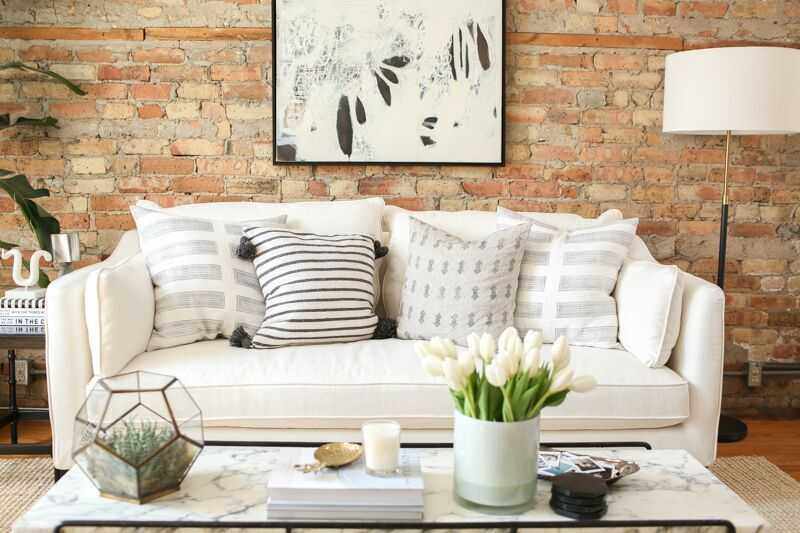


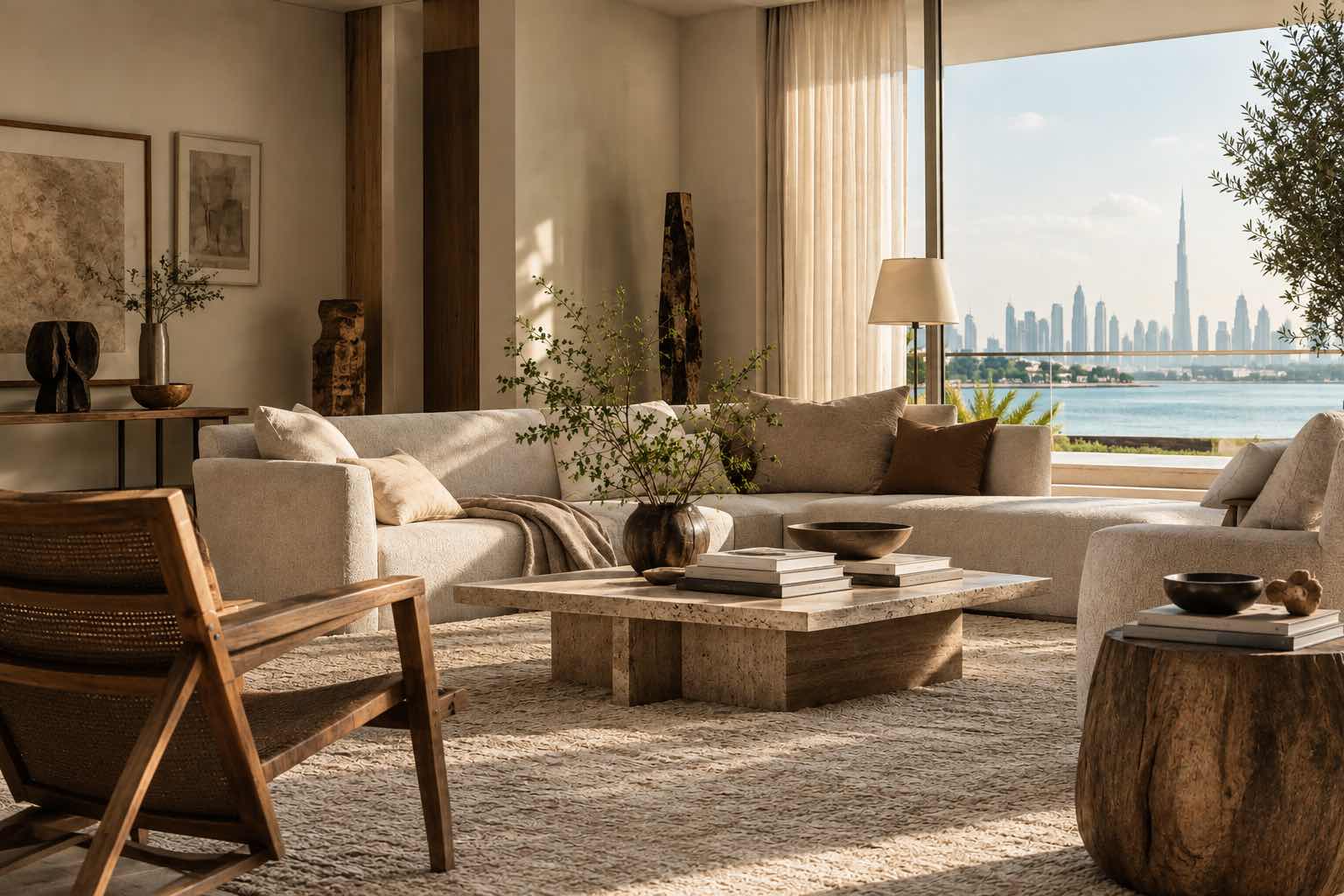
The most memorable interiors are not perfectly decorated. They are carefully collected, deeply personal, and allowed to evolve.
There is a moment when a house stops looking like a collection of beautiful objects and begins to feel like a home.
It may be a worn wooden chair beside a pristine sofa, a stack of books left on a console, a painting that means something to its owner, or a ceramic bowl brought back from a distant journey. None of these details needs to have been selected to create a perfectly coordinated room. Yet together, they create something that polished interiors often struggle to achieve: character.
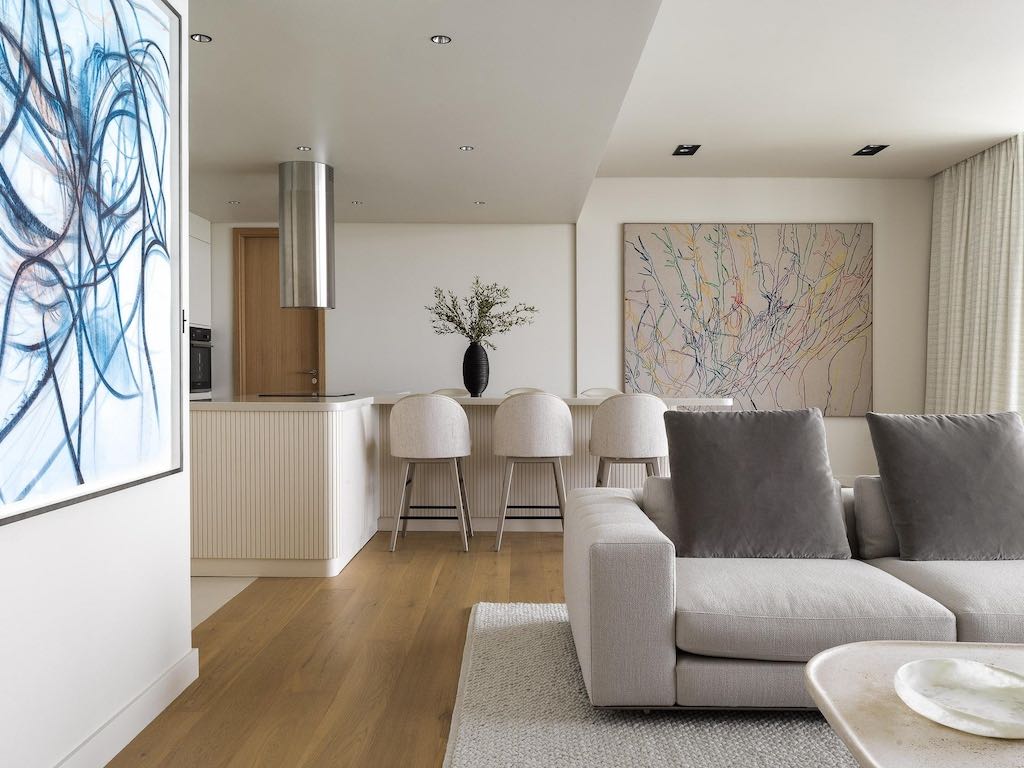
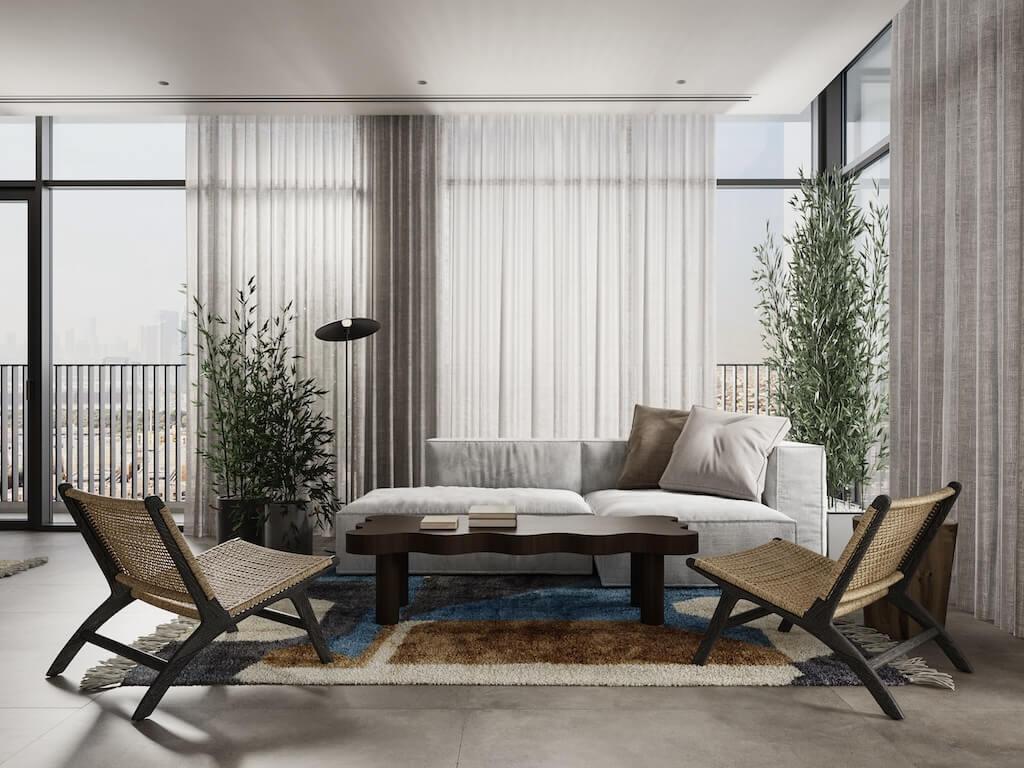
For years, home décor has been dominated by the pursuit of visual perfection. Neutral palettes, carefully matched furniture, uncluttered surfaces and showroom-like rooms became the shorthand for sophisticated interiors. But a quieter change is taking place.
Today, some of the most compelling homes are warmer, more layered and more personal. They are less concerned with looking finished and more interested in feeling authentic.
Beauty Beyond the Perfect Room
A beautiful interior does not necessarily need every element to match.
In fact, contrast is often what gives a room its personality.
Pairing an antique cabinet with a contemporary sofa can create more visual interest than purchasing an entire matching furniture collection. A rough stone surface can make polished metal feel more refined. A handwoven textile can soften the geometry of a modern room.
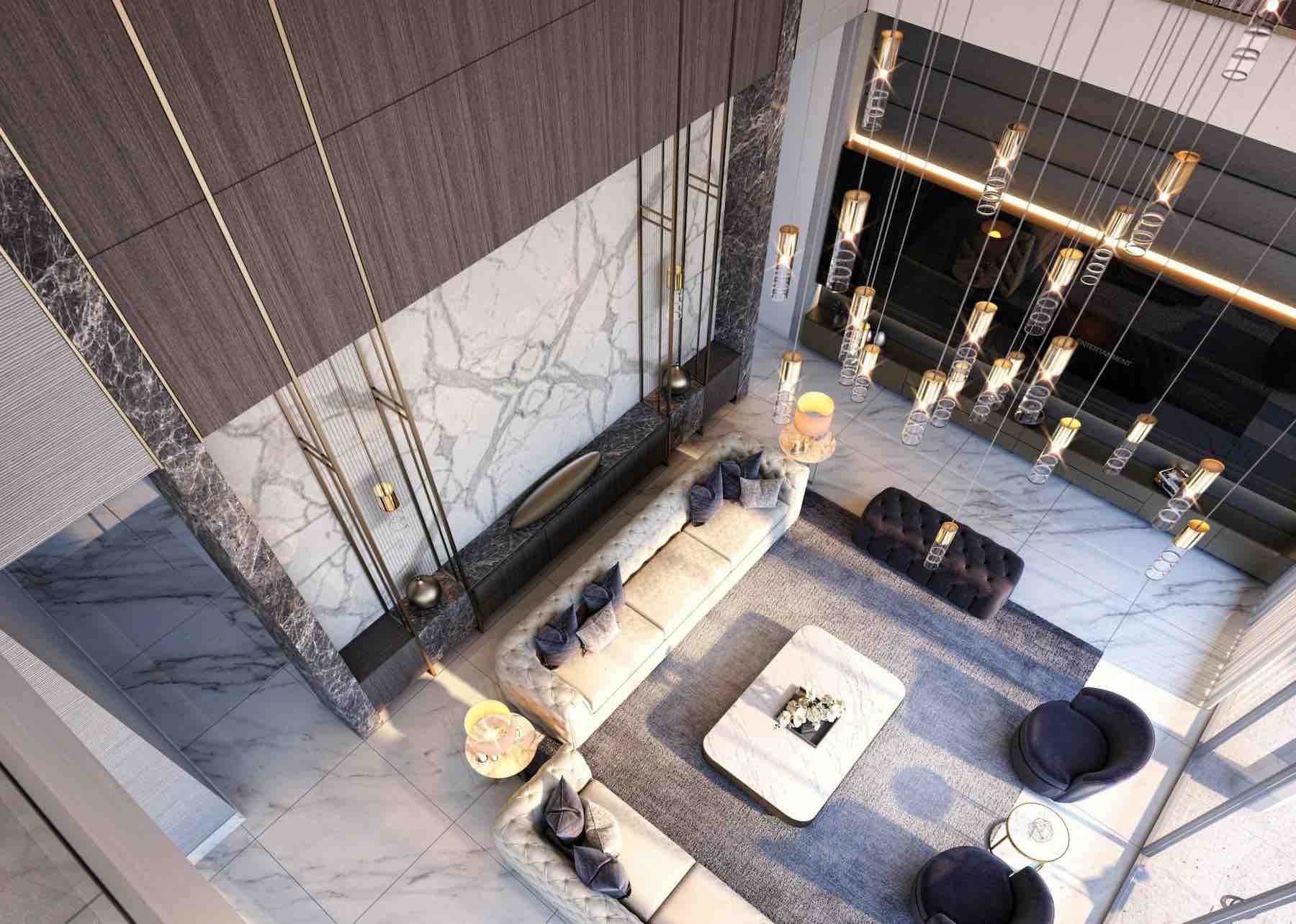
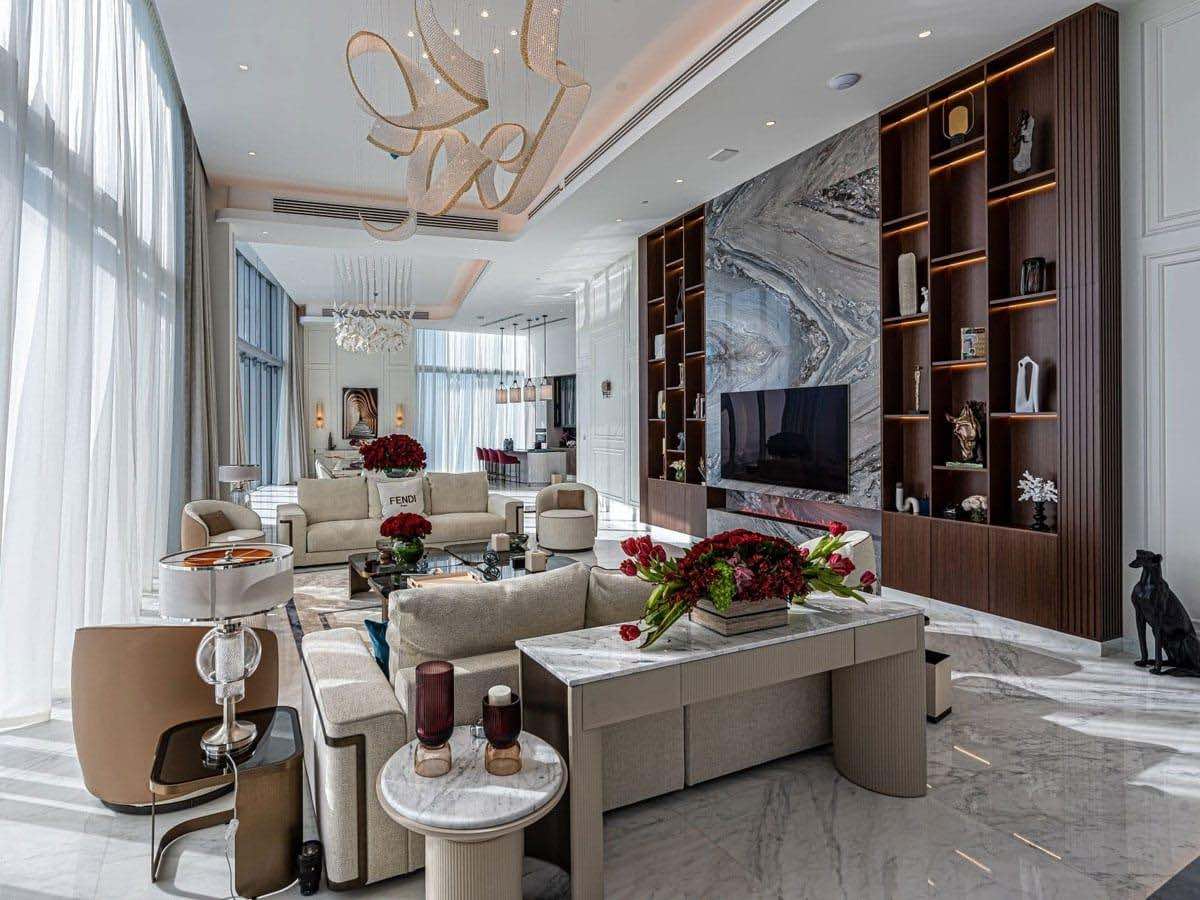
The most successful interiors often combine things that appear unrelated at first glance but share a common quality—colour, texture, proportion, material or simply an emotional connection.
This is where decorating becomes less about shopping and more about editing.
Give Your Home a Point of View
The most successful interiors usually have a clear point of view.
That does not necessarily mean following one design style.
A room can be modern and traditional. Minimal and expressive. Elegant and relaxed.
What matters is that the choices feel connected.
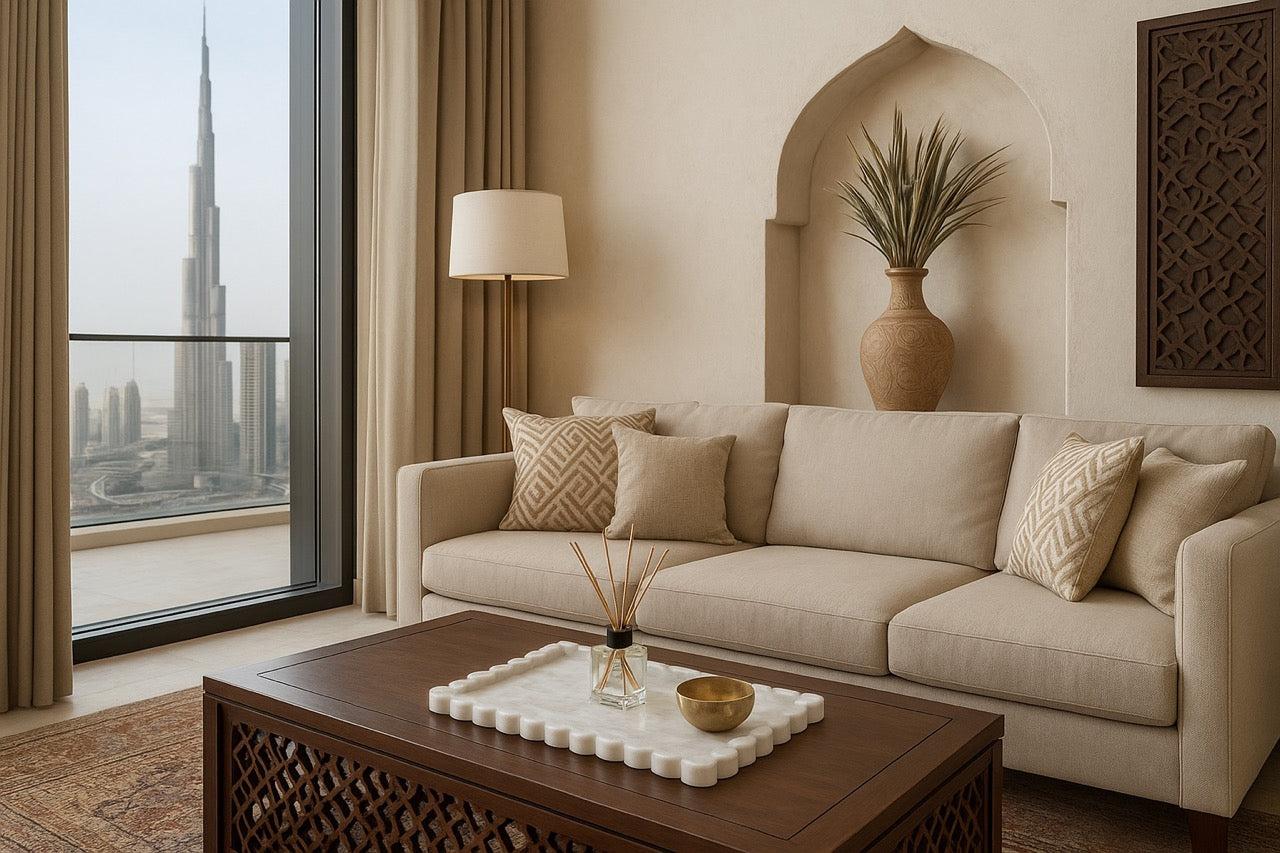
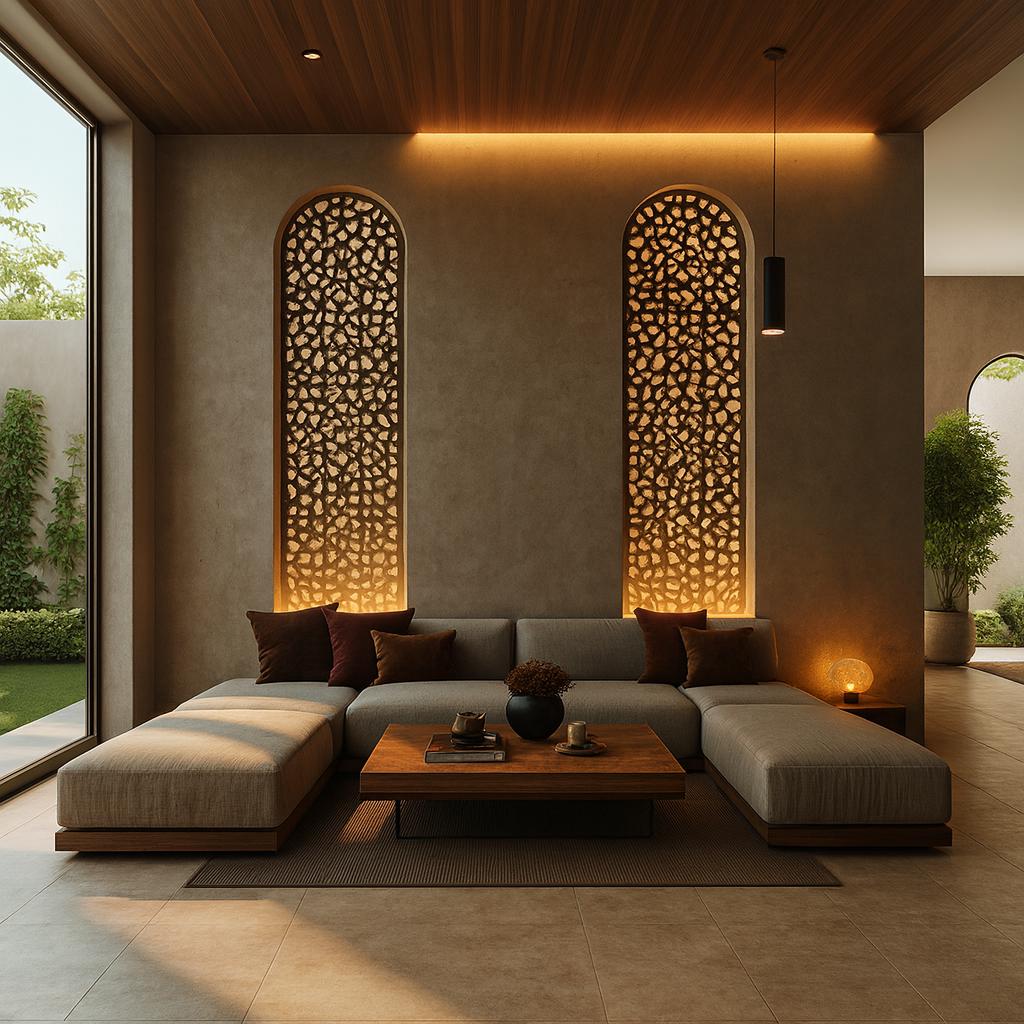
Perhaps the common thread is a love of natural materials. Perhaps it is a particular colour family. Perhaps it is an appreciation for craftsmanship or sculptural forms.
Once that underlying idea is established, decorating becomes easier.
Instead of asking, “Does this look trendy?”, ask a more useful question:
“Does this belong to the story of my home?”
That single question can transform the way we decorate.
A Home Should Age With You
The most interesting homes are rarely static.
They change as their owners change.
Furniture moves. Art is replaced. Objects accumulate. Walls are repainted. A spare room becomes a study, a nursery becomes a teenager’s room, and eventually becomes something else entirely.
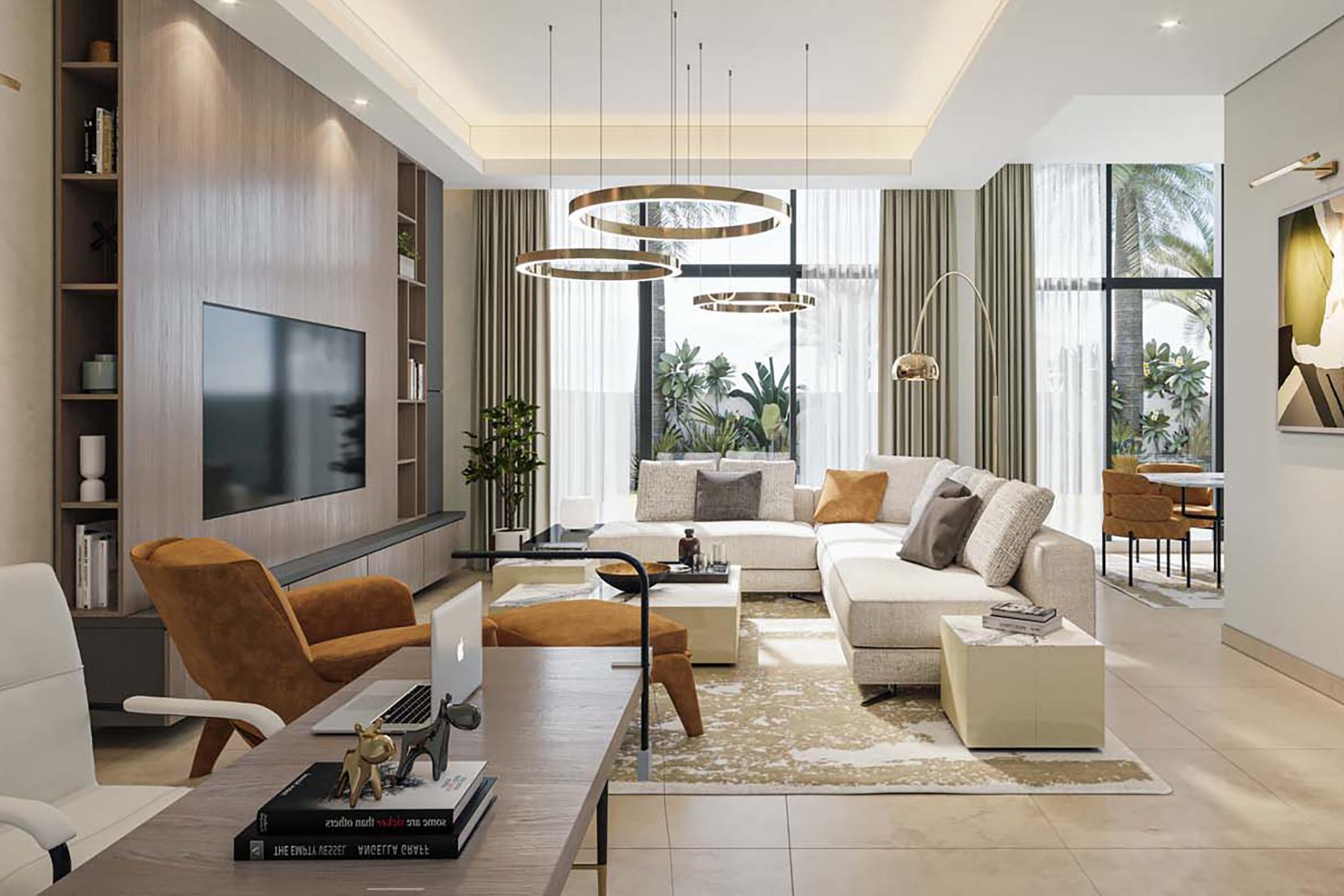
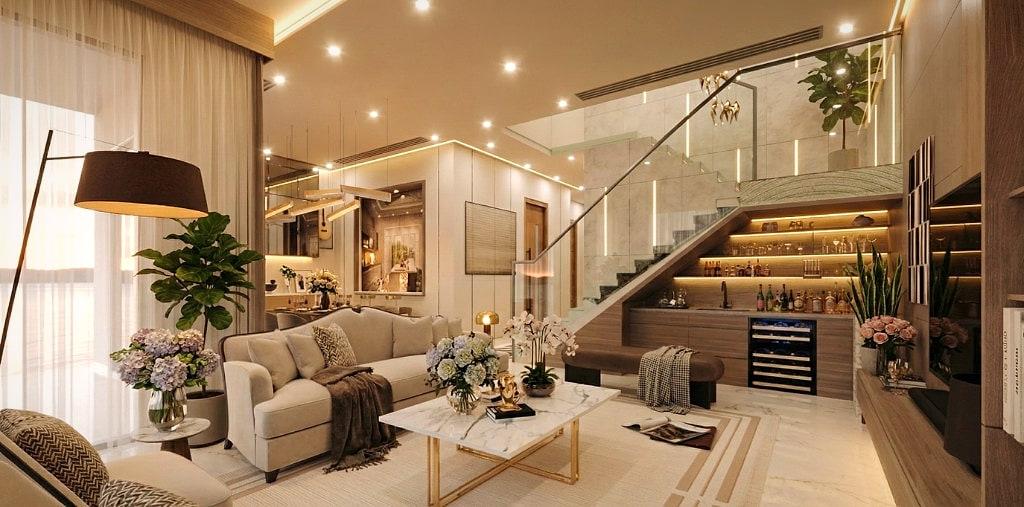
Good décor allows for this evolution.
Rather than designing exclusively for photographs, design for everyday rituals.
Where do you put your keys when you arrive home?
Where does morning sunlight fall?
Where do guests naturally gather?
Where do you read?
Where does someone sit when they want to be alone?
These seemingly ordinary questions can lead to better interiors than any trend forecast.
The New Definition of Luxury
Perhaps the greatest shift in contemporary home décor is not a particular colour, material or furniture shape.
It is a change in what we consider luxurious.
Luxury can be a beautifully made object that lasts for decades.
It can be the comfort of natural materials beneath your hands.
It can be having enough space to breathe.
It can be a room filled with memories rather than merchandise.
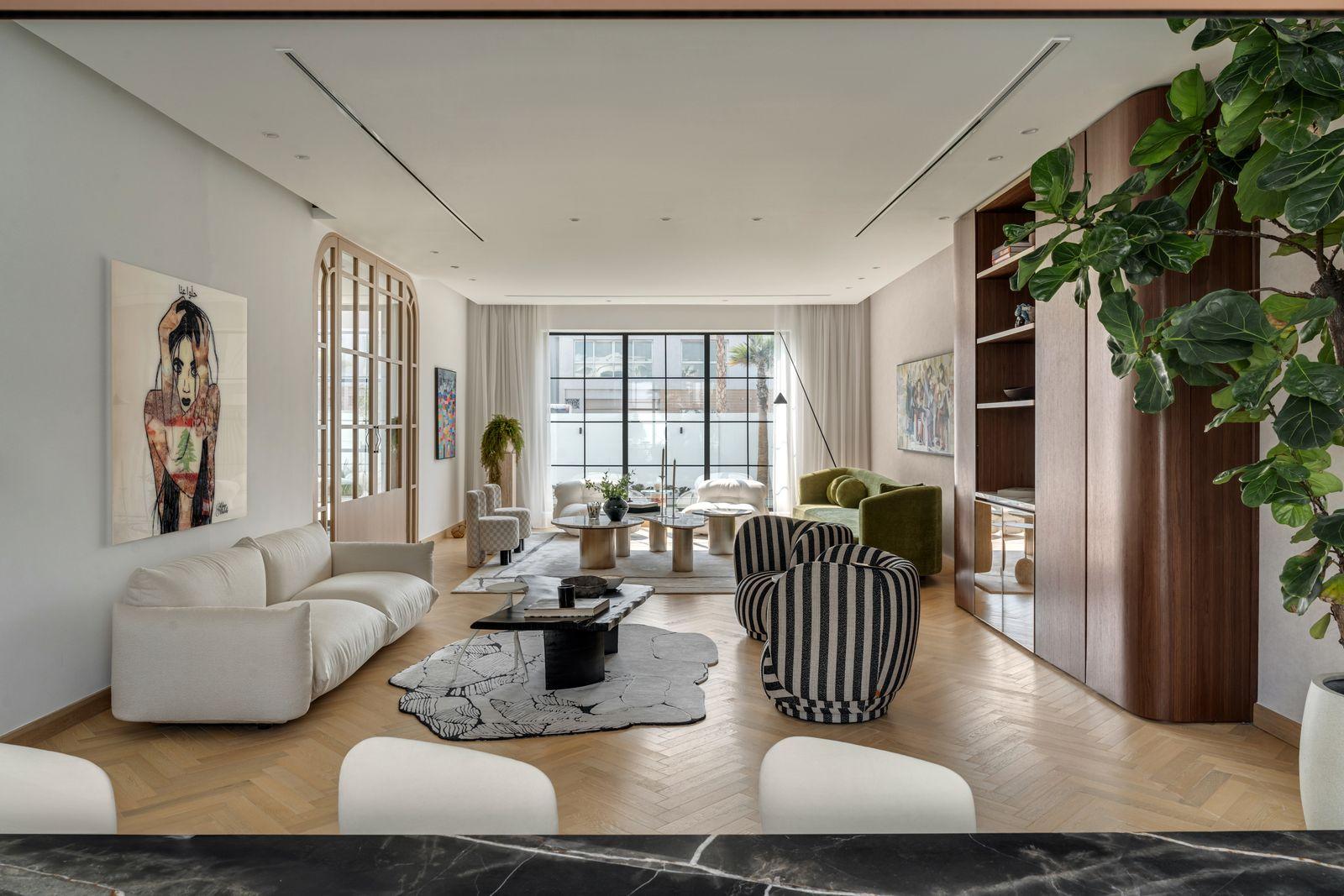
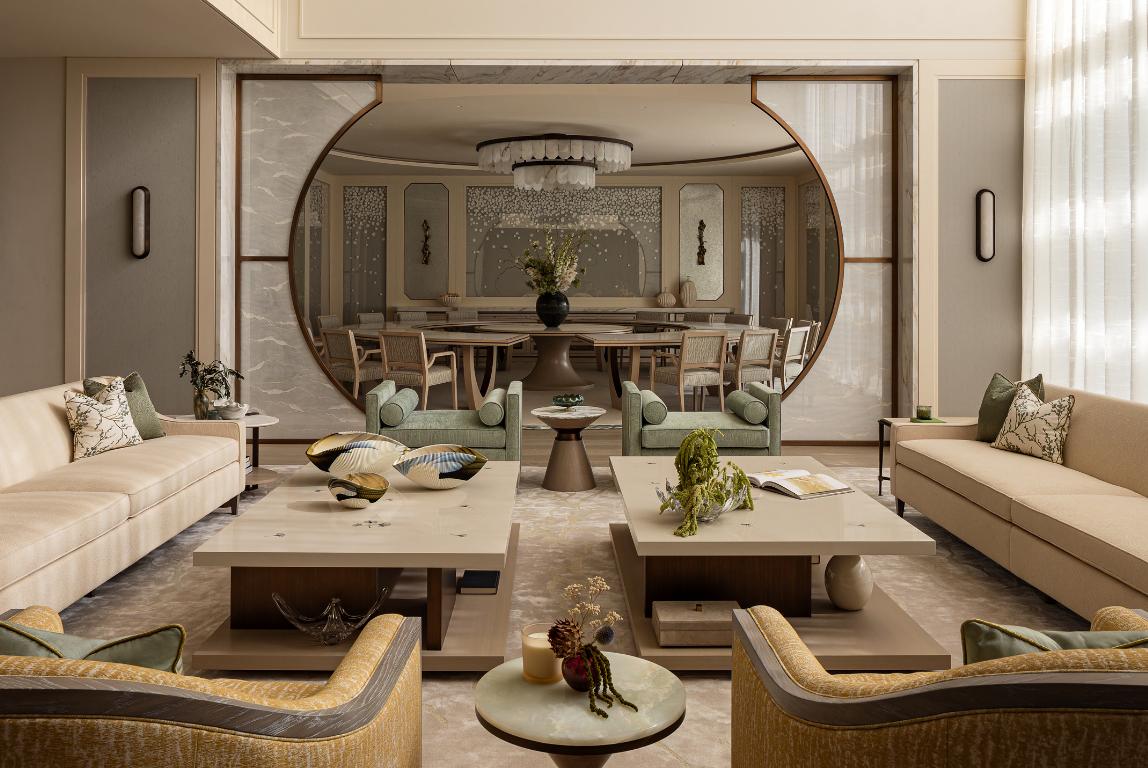
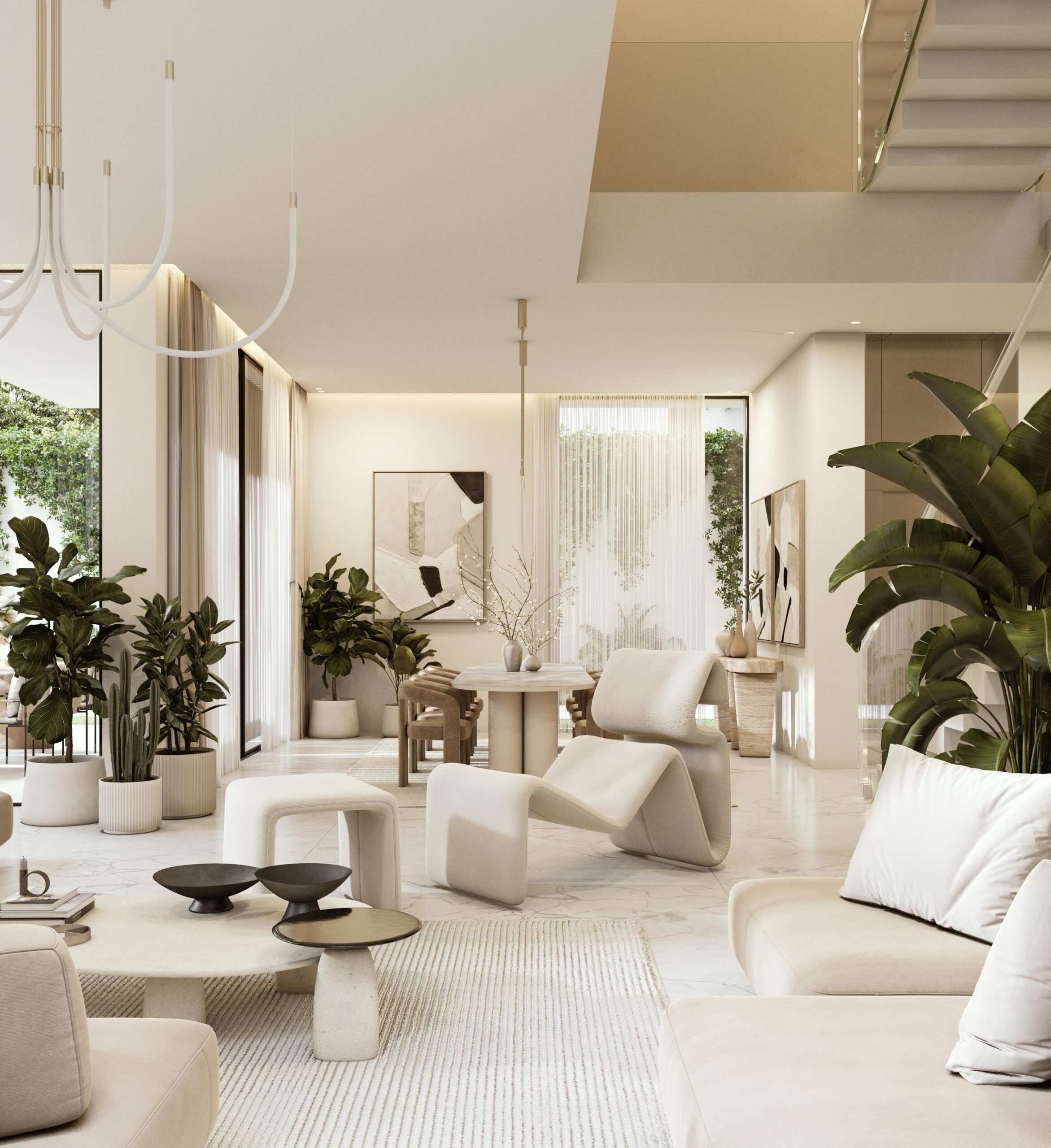
And increasingly, luxury can be the ability to create a home that does not look like anyone else’s.
The most beautiful interiors are not necessarily the ones that appear perfect at first glance.
They are the ones that reward a second look.
A chair with a history. A painting with a story. A texture that invites you closer. A combination of old and new that somehow feels inevitable.
Because ultimately, the art of home décor is not about creating a perfect room.