


The former Expo 2020 Sustainability Pavilion is extending its legacy through biodiversity, environmental research and nature-based design at Expo City Dubai.
DUBAI, UAE — September 2026 — Five years after opening for Expo 2020 Dubai, Terra is entering a new phase.
Originally conceived as the Sustainability Pavilion, the landmark at Expo City Dubai has moved beyond its role as an exhibition destination to become an active setting for biodiversity, environmental research and experimentation with nature-based solutions.
At the heart of that evolution is landscape.
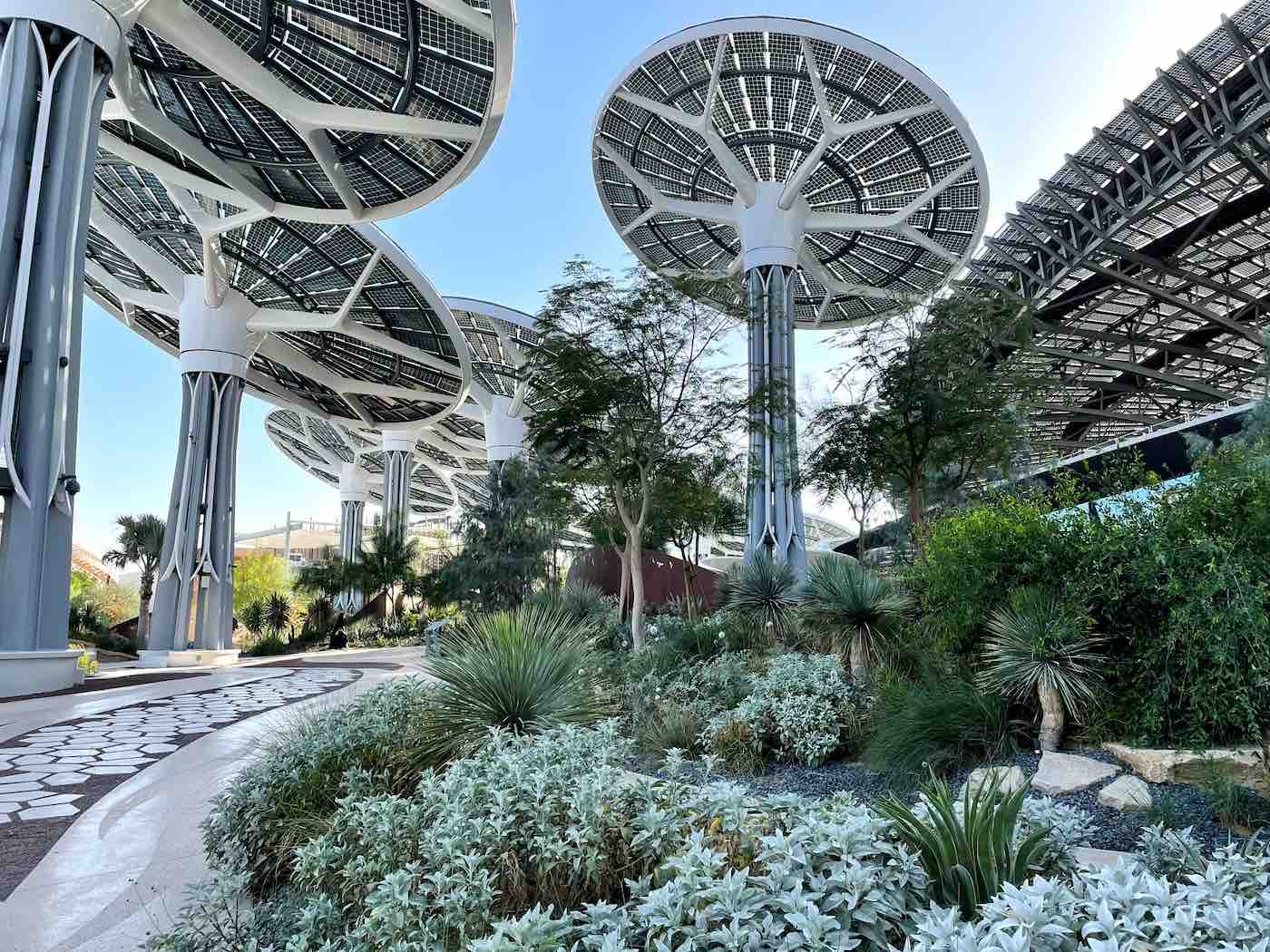
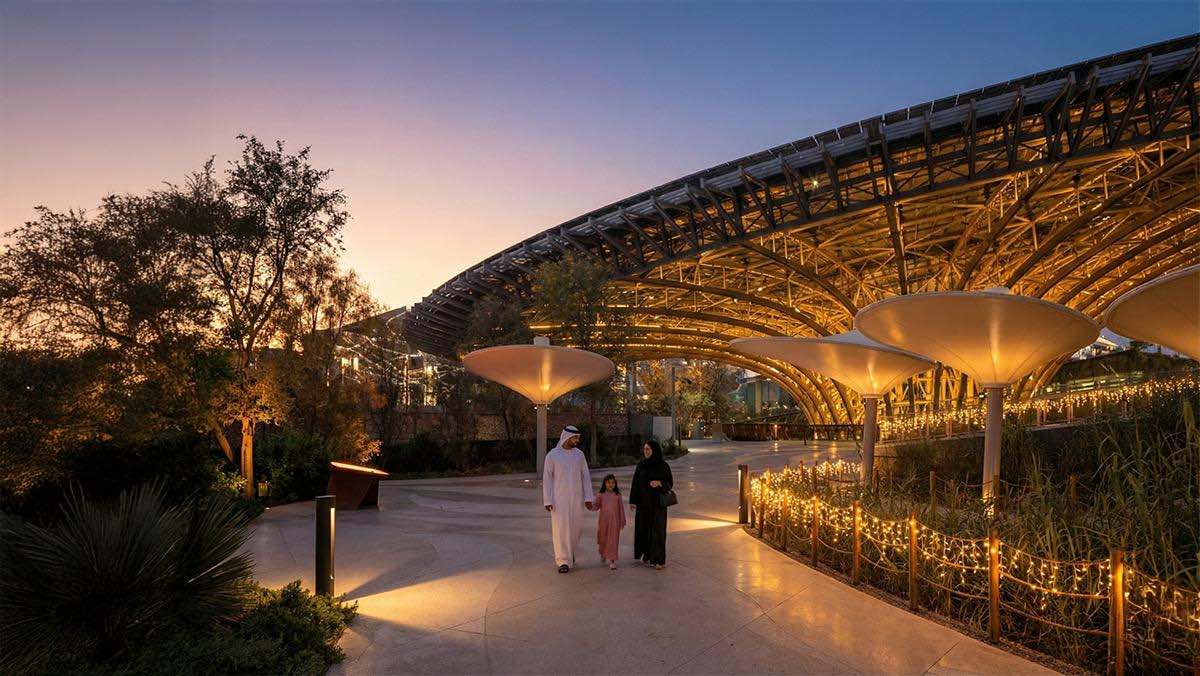
The original landscape design by desert INK established a regionally responsive environment around the pavilion, drawing on an approach to landscape architecture that prioritises native planting, climate sensitivity, biodiversity and the creation of comfortable microclimates.
Today, that landscape is becoming the setting for a wider environmental programme—giving Terra a relevance that extends well beyond the event for which it was originally created.
From Expo Legacy to Living Landscape
Terra remains one of Expo City Dubai’s defining destinations, but its role has expanded.
Alongside its immersive visitor experiences, the site is increasingly being used to explore how natural systems can perform within an arid urban environment.
This shift is significant.
Rather than preserving Terra simply as an architectural reminder of Expo 2020, its landscape is being treated as something capable of adaptation, research and continued ecological development.
The result is a project whose legacy is not fixed in time.
It is growing.
A Native Forest Takes Root in Dubai
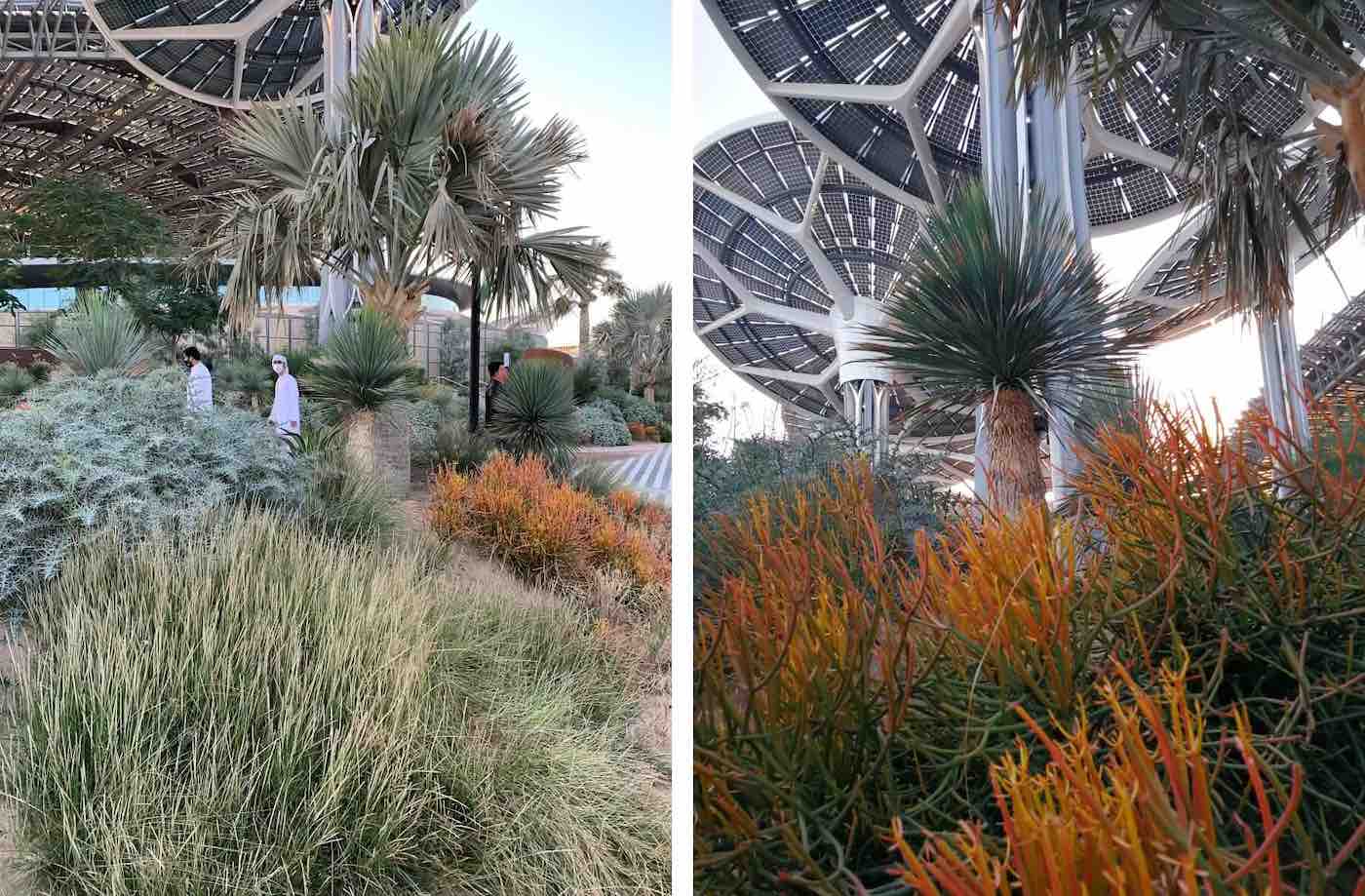
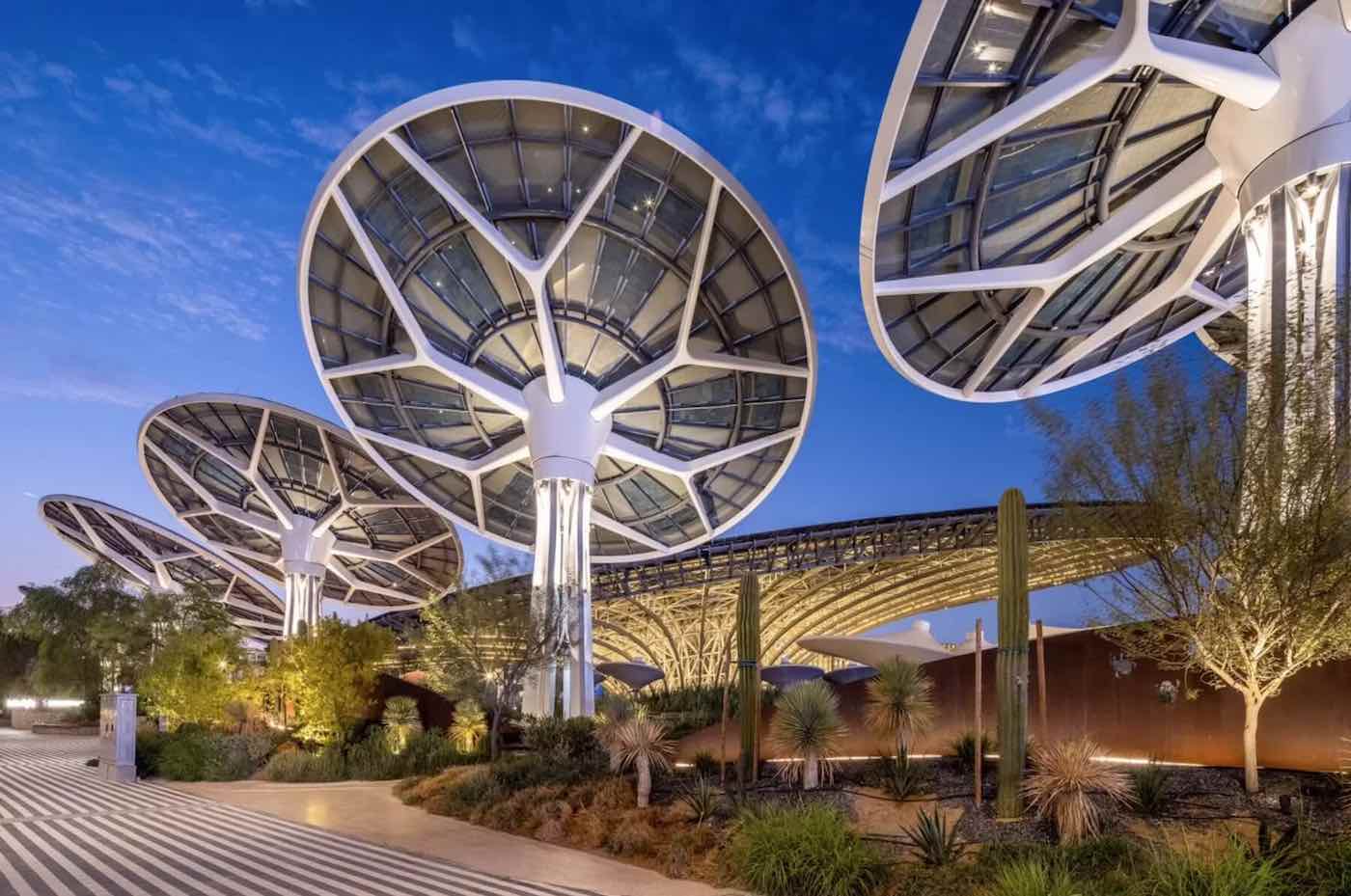
One of the clearest signs of this evolution is the establishment of a native pocket forest at Terra.
Created as part of the legacy of the 27th ICOM General Conference in Dubai, the forest brings together more than 500 native trees and shrubs, including species such as Ghaf and Sidr.
Six months after its establishment, Terra reported measurable ecological changes within the site. Some plants had grown from approximately 30 centimetres to more than 120 centimetres, while monitoring recorded increased bacterial activity and substantial growth in mycorrhizal fungal networks beneath the soil.
Technology is also playing a role in understanding how the landscape develops.
Soil sensors, AI-linked irrigation, remote sensing and IoT-enabled monitoring are being used to study the forest’s performance and water requirements, allowing the project to generate information that could contribute to future approaches to urban greening in Dubai and other arid cities.
What began as planting is therefore becoming something considerably more ambitious: a monitored urban ecosystem.
Landscape as Research Infrastructure
Terra’s evolution extends beyond the pocket forest.
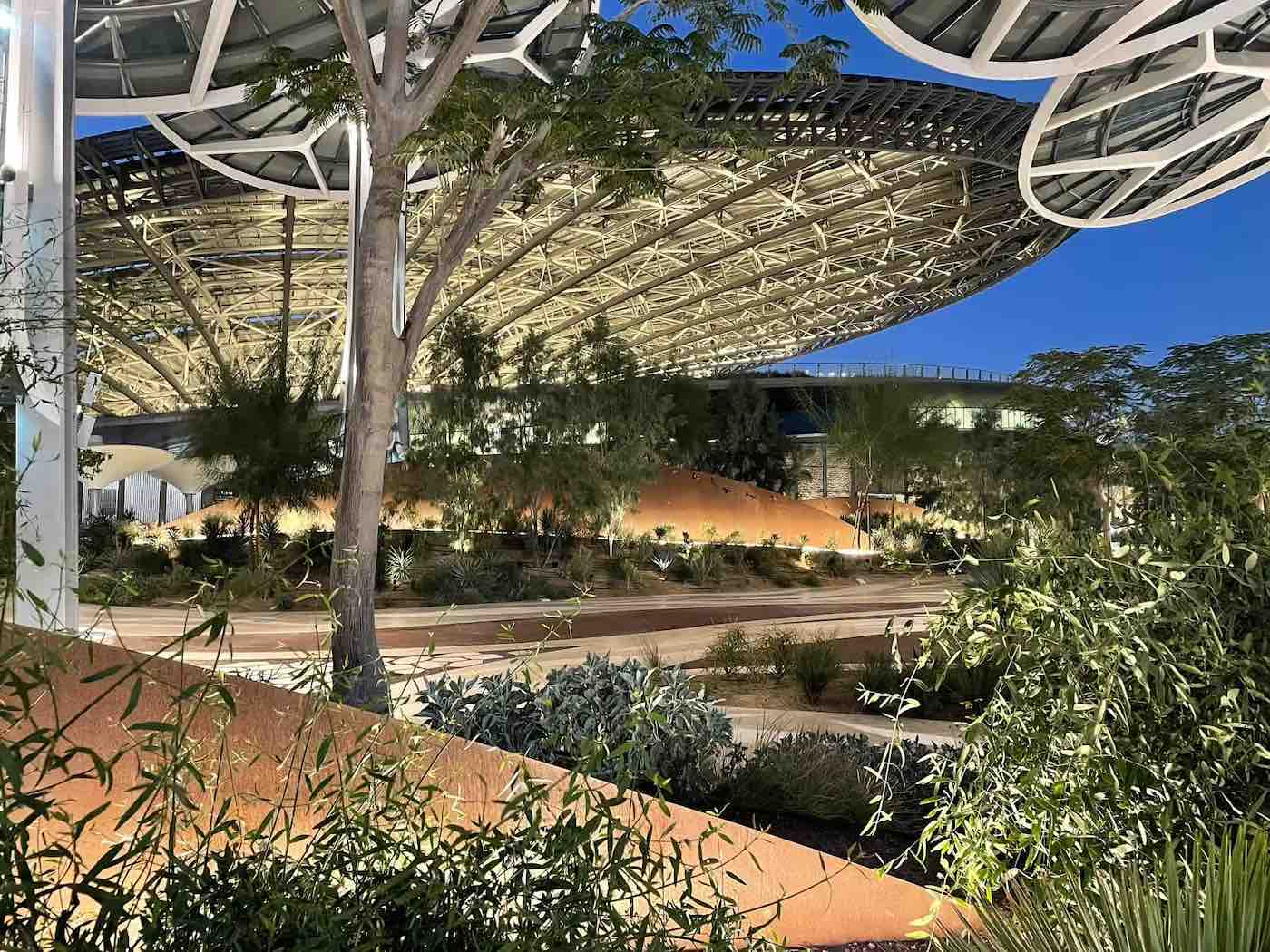
The site is now inviting academic researchers, students and institutions to investigate nature-based solutions across a series of living environments within its grounds.
Research opportunities include a reed-bed wetland and water-treatment system, green roofs, the pocket forest, Terra Garden, the Dr Jane Goodall Pollinator Garden, a freshwater pond and a constructed wadi ecosystem.
It represents an important change in the way landscape can be understood.
The garden is no longer only an aesthetic or recreational space.
It can become infrastructure for knowledge.
In a region where heat, water scarcity and rapid urban development continue to shape the built environment, the ability to test ecological strategies under real conditions gives Terra’s landscape a wider relevance.
The Original Landscape Vision
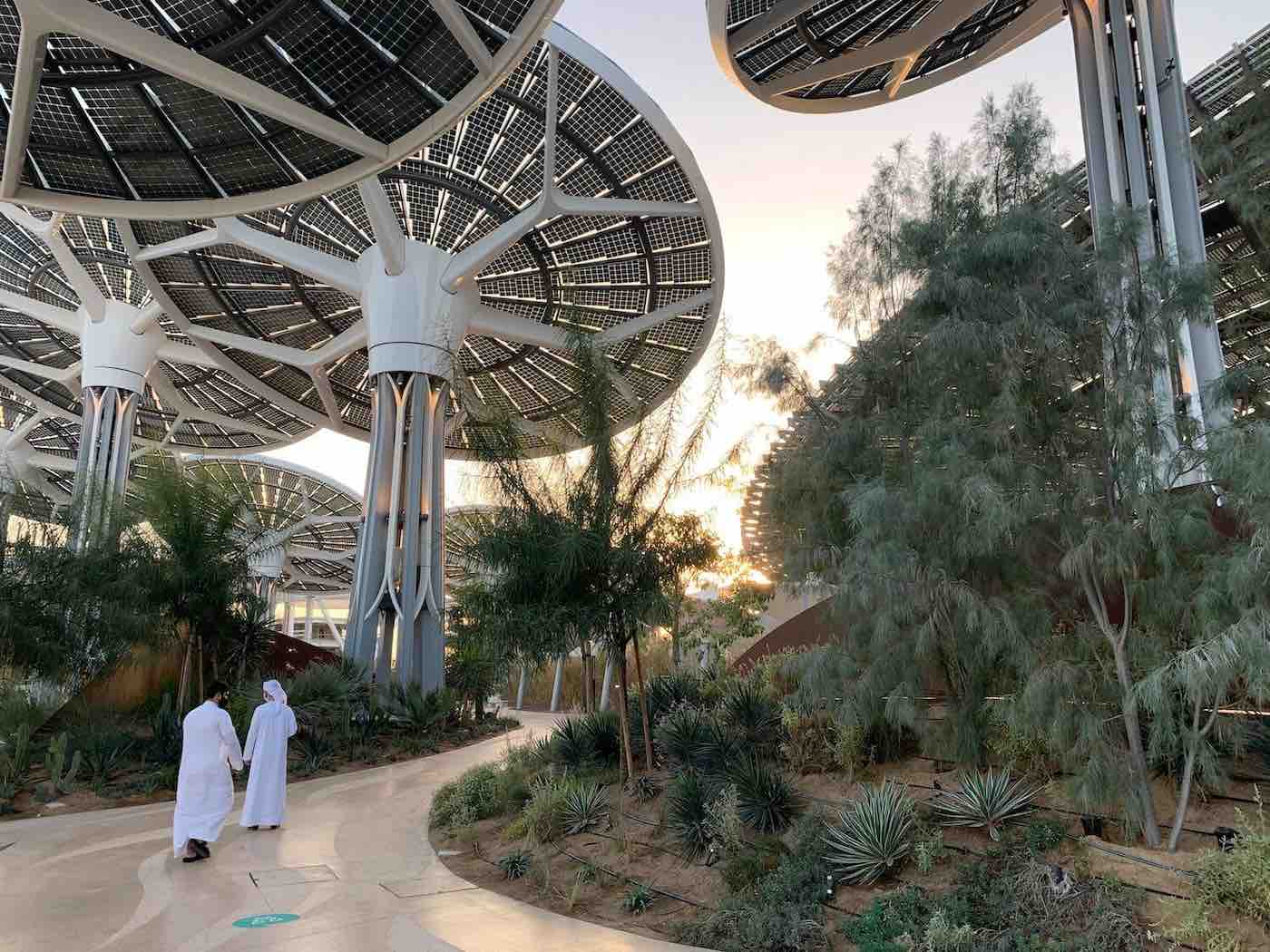
That contemporary programme sits within a landscape originally designed by desert INK, the UAE-based landscape architecture studio behind a portfolio of regionally responsive projects.
Its work at Terra reflects an approach increasingly important to landscape architecture in the Gulf: designing with climate rather than attempting to erase it.
Native and climate-appropriate planting, biodiversity, shade and microclimate are central to this thinking.
Instead of treating the desert as an obstacle to landscape design, the approach recognises the environmental conditions of the UAE as a starting point for design.
That distinction gives Terra much of its character.
Architecture and landscape do not operate as separate visual statements. The outdoor environment helps establish the transition between the wider city and the pavilion while reinforcing the project’s central conversation around sustainability.
A Landscape That Was Never Meant to Stand Still
For ArchInteriors Magazine, Terra’s latest chapter raises a larger question about the future of major public landscapes.
What happens after the opening photographs have been taken, the international event has ended and the original crowds have moved on?
The most resilient projects should be capable of answering that question through evolution.
At Terra, the answer is beginning to emerge through new ecosystems, scientific monitoring, biodiversity programmes and research opportunities that use the landscape itself as a testing ground.
This changes the measure of success.
A landscape of this kind cannot be judged only by how it looked when it opened. Its real value emerges over seasons and years: as trees establish themselves, habitats develop, data accumulates and the relationship between people and place becomes more complex.
A New Model for Arid-City Landscapes
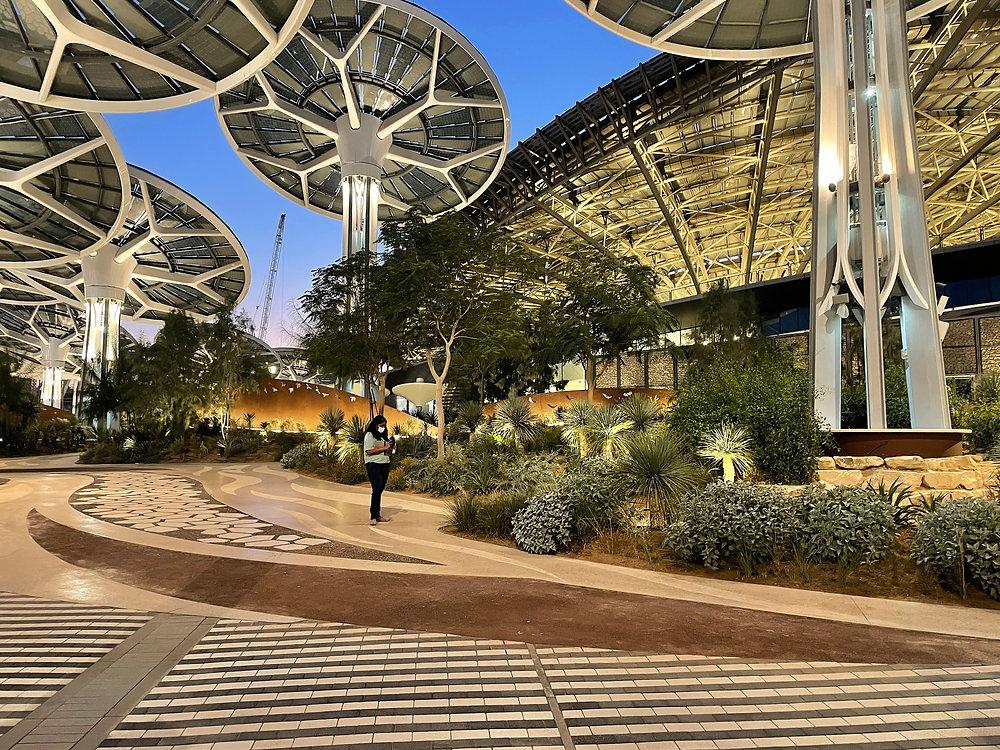
Terra’s transition from Expo pavilion to environmental platform also arrives at an important moment for landscape design in the UAE.
As cities across the region place greater emphasis on walkability, biodiversity, outdoor comfort and climate resilience, landscape architects are being asked to do more than create visually attractive green spaces.
Landscape is increasingly expected to perform.
It must provide shade, support biodiversity, use water intelligently, improve microclimates and create meaningful public environments—all while responding to the realities of an arid climate.
Terra offers a visible example of how those ambitions can coexist.
Its significance today is therefore not simply that a celebrated Expo project remains standing.
It is that the landscape continues to acquire new purpose.
For ArchInteriors Magazine, that may ultimately be Terra’s most compelling legacy: a project conceived around sustainability that is not being preserved as a finished statement, but allowed to grow into a living one.